Survey Data
Reg No
13402710
Rating
Regional
Categories of Special Interest
Architectural, Historical
Original Use
Stables
Date
1750 - 1860
Coordinates
218835, 256948
Date Recorded
27/08/2005
Date Updated
--/--/--
Description
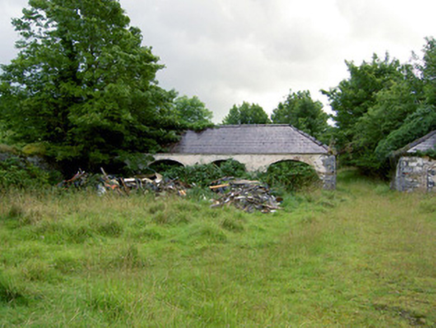
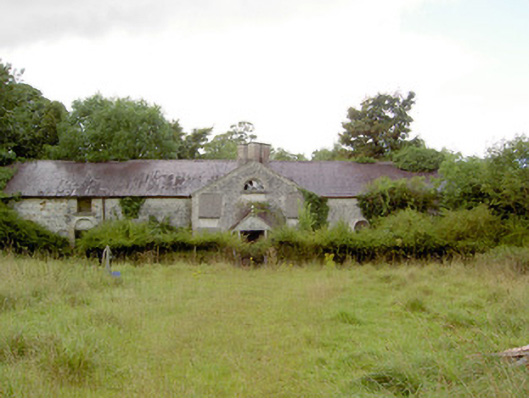
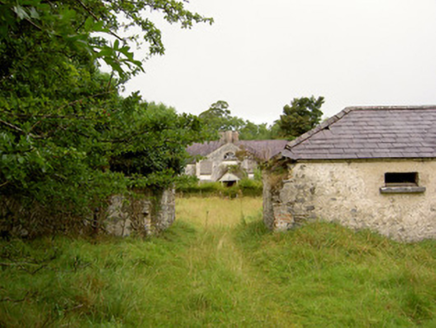
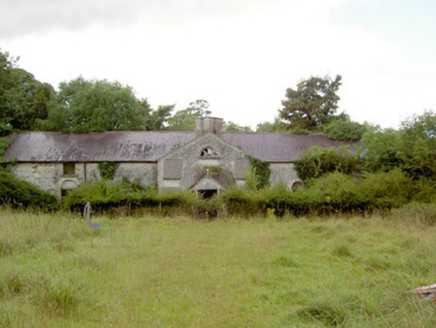
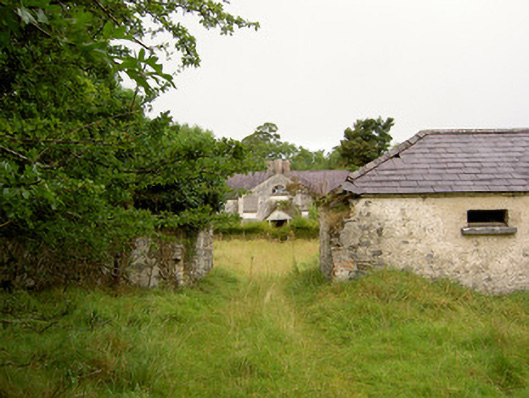
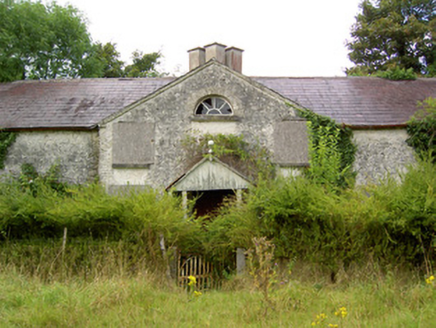
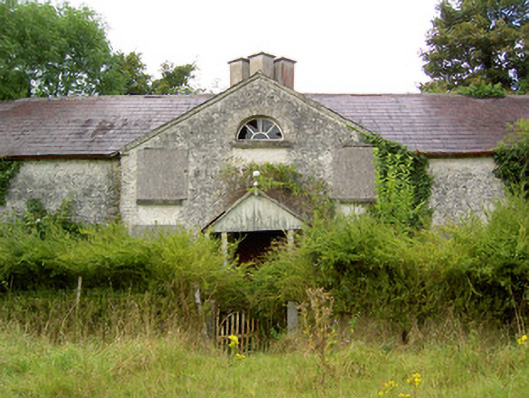
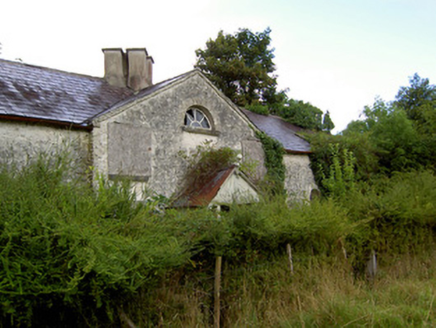
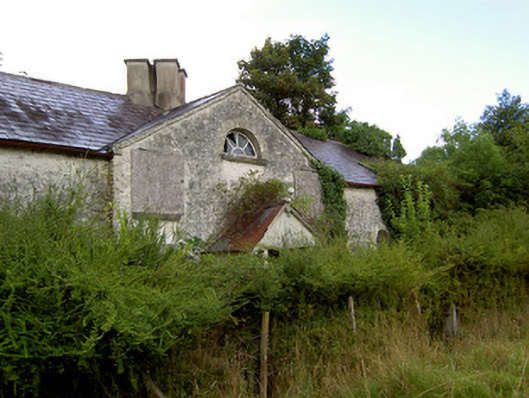
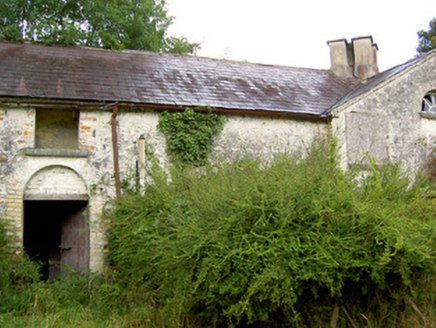
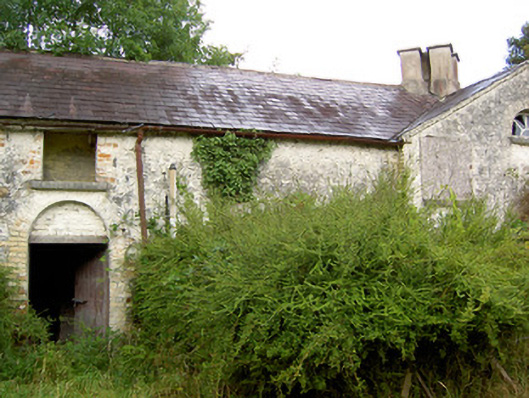
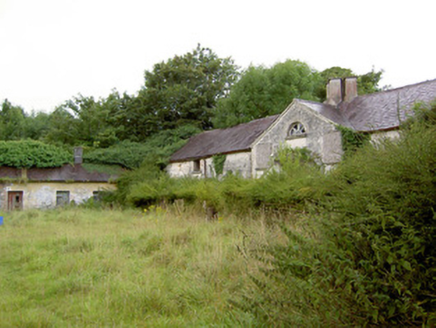
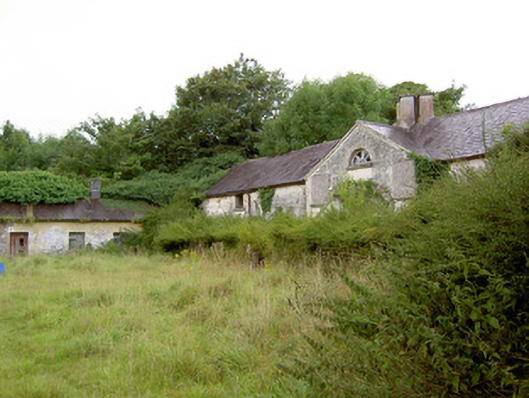
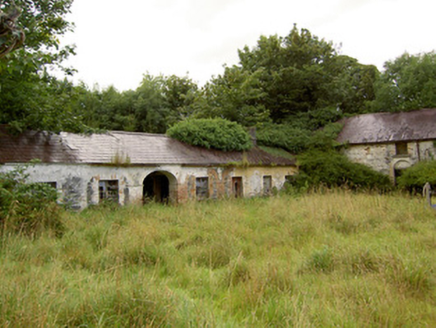
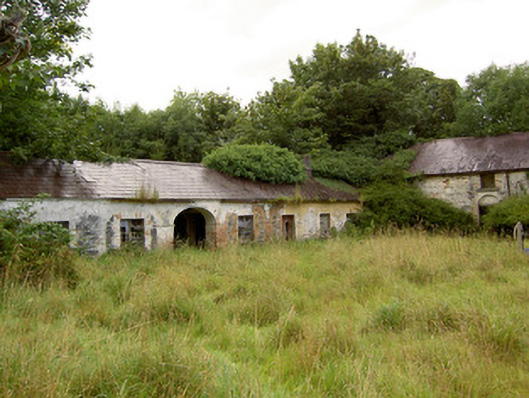
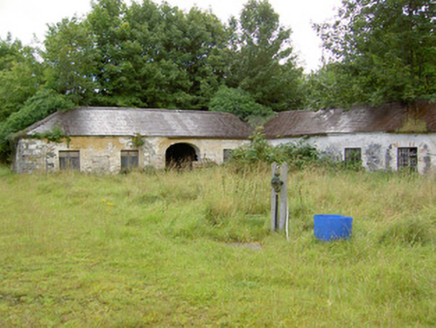
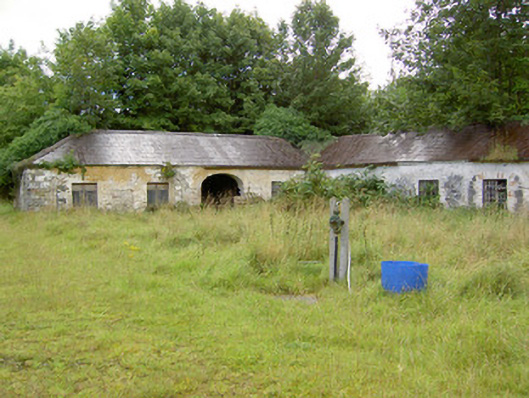
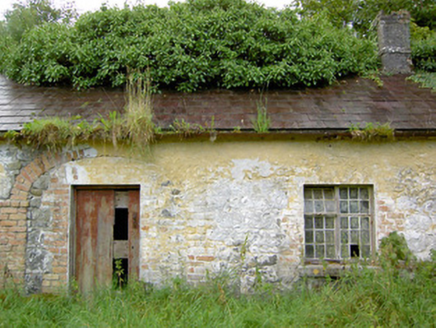
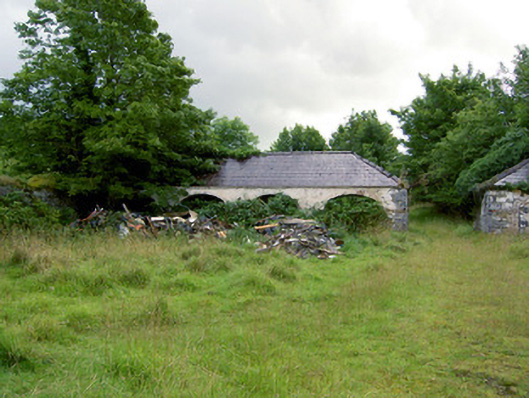
Stable block complex associated with Newcastle House (13402709), built c. 1760 and altered at a number of subsequent occasions, comprising a multiple-bay two-storey block to the northwest having central three-bay gable-fronted breakfront and multiple-bay single-storey ranges to the southeast and southwest. Single-storey outbuilding to the southwest built on L-shaped plan. Single-bay gable-fronted timber entrance porch to the centre of pedimented breakfront to range to northwest, built c. 1880. Out of use from c. 1950, now being converted to holiday accommodation with modern extensions planned (2007). Two-storey range to the northwest possibly formerly partially in use as estate workers accommodation. Pitched and hipped natural slate roofs. Clustered diagonally-set rendered chimneystacks over centre of breakfront to two-storey block. Brick chimneystack to outbuilding to the southwest. Some remaining sections of cast-iron rainwater goods. Pitched natural slate roof with timber finial to porch. Roughcast lime rendered walls, render now failing exposing random rubble stone construction. Red brick construction to centre of single-storey outbuilding to the southwest. Infilled (brick and rubble stone masonry) segmental-headed carriage arches to outbuilding to southwest having projecting brick string courses at arch impost level. Square-headed window openings to two-storey outbuilding (northwest) with tooled cut limestone sills and flush brick block-and-start surrounds. Some cut granite sills, particularly to building to the southwest. Majority of openings now blocked. Lunette opening to gable of breakfront of two-storey building having spoked timber window and tooled cut limestone sill. Square-headed window openings to block to southwest having tooled cut limestone sills, flush brick block-and-start surrounds and pivoting multipane metal-framed windows. Square-headed door openings to two-storey block, set in recessed blind round-headed arches, having flush brick surrounds. Square-headed door openings to range to southwest having flush brick block-and-start surrounds and remains of timber battened doors. Four segmental-headed carriage arches with brick voussoirs to range to the southeast. Wrought-iron flat bar gate to front of two-storey outbuilding. Set back from road in extensive mature grounds. Located to the east of Newcastle House (13402708) and to the east of Ballymahon.
Appraisal
This substantial courtyard of former outbuildings/stable block buildings adds considerably to the historic context and setting of Newcastle House (13402709). Although out of use for a number a considerable period, these functional buildings retain much of their early character, form and fabric. The gable-fronted breakfront to the outbuilding to the northwest, having a lunette window opening to the gable, lends this structure a subdued classical architectural character that contrasts attractively with the more prosaic single-storey structures. The style of this two-storey building suggests that it may date to the middle of the eighteenth century. The clustered diagonally-set chimneystacks are a later addition, perhaps added c. 1850. The presence of chimneystacks to the two-storey building suggests that it may have had some additional domestic function, probably accommodating farm labourers, stable hands or, perhaps, an estate manager. The infilled arches to a number of outbuildings indicates that they were altered on at least one occasion, and probably on a number of occasions. This courtyard originally formed the southwest side of a pair of conjoined courtyards of outbuilding/stable blocks, the courtyard to the northeast was demolished sometime after c. 1913 (indicated on Ordnance Survey third edition six-inch map). The scale of these outbuilding provides an interesting historical insight into the extensive resources required to run and maintain a large country estate during the eighteenth and nineteenth centuries, and of the former wealth and extent of the important Newcastle Demesne. These demesne structures form part of a extensive group of related structures associated with Newcastle House (13402709), and are an important part of the social and architectural heritage of the Ballymahon area.