Survey Data
Reg No
13402708
Rating
Regional
Categories of Special Interest
Architectural, Historical
Original Use
Walled garden
In Use As
Farmyard complex
Date
1760 - 1800
Coordinates
218386, 256906
Date Recorded
27/08/2005
Date Updated
--/--/--
Description
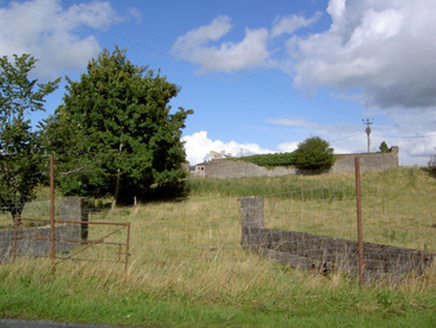
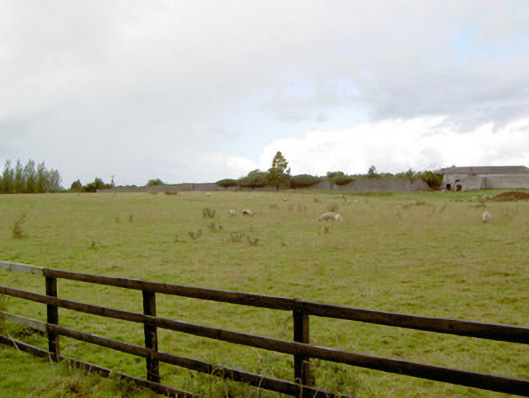
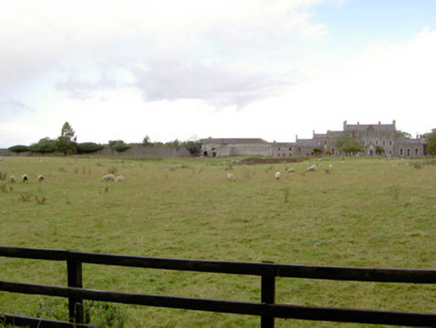
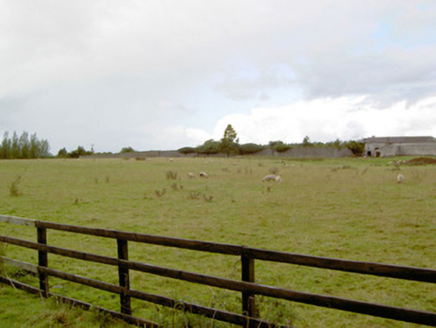
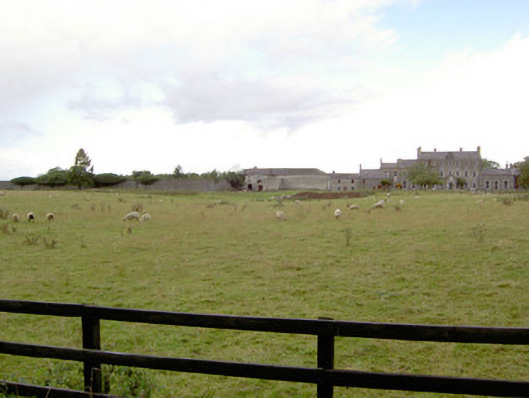
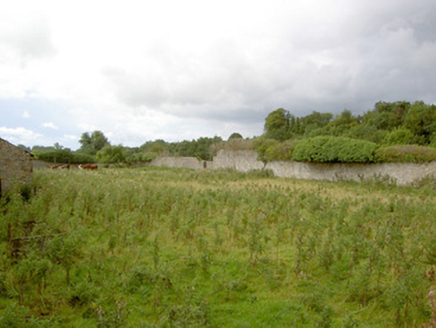
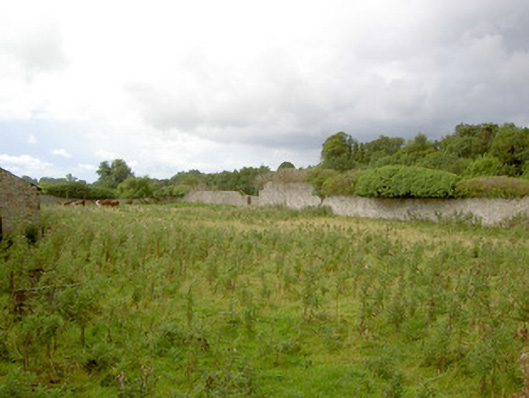
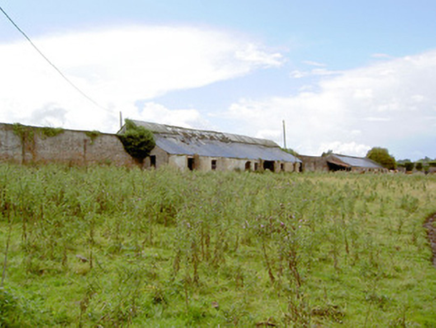
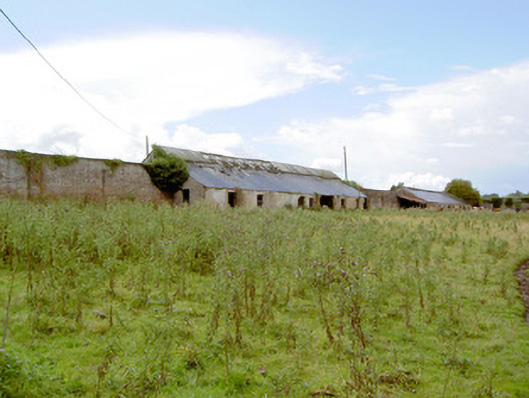
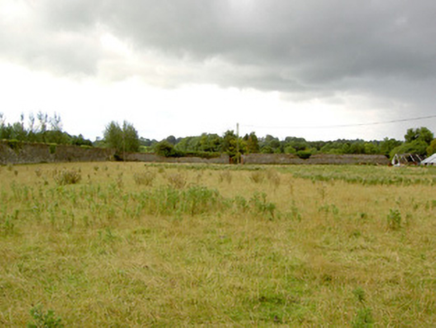
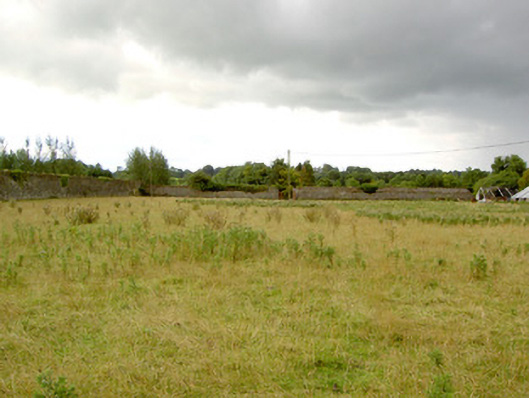
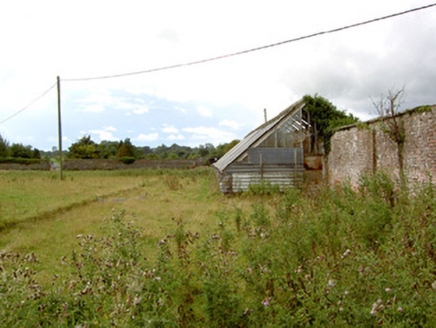
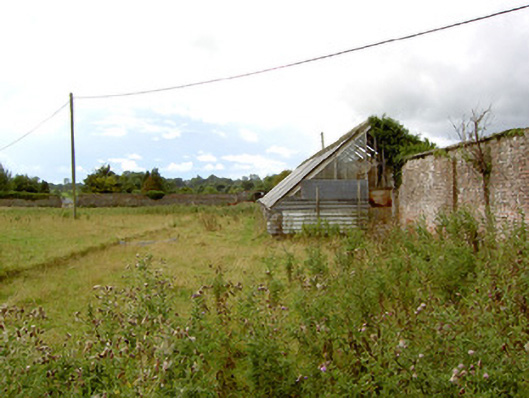
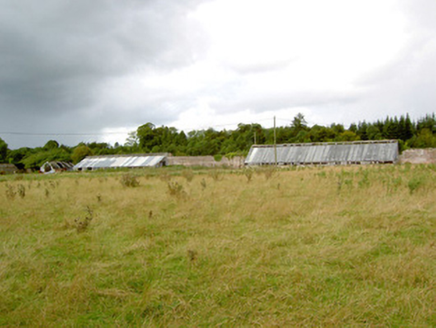
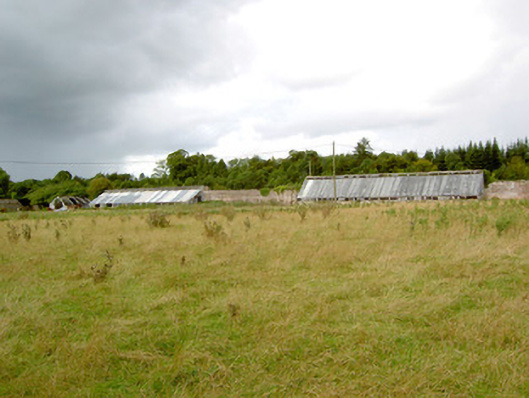
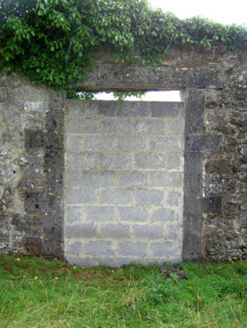
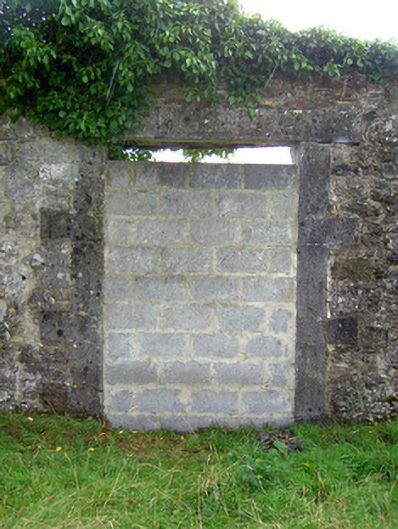
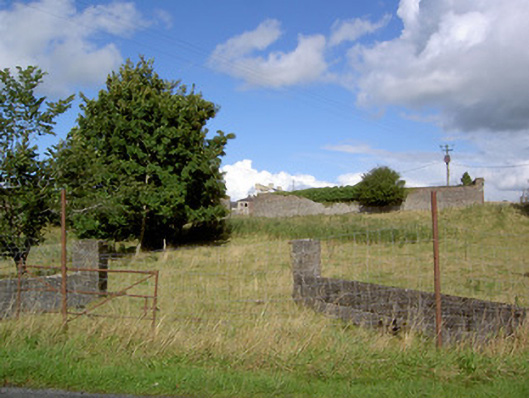
Walled garden(s) on rectangular-plan associated with Newcastle House (13402709), built c. 1780. Now in use as pasture/farmland. Random rubble boundary walls; brick lined to internal faces to a number of walls. Cut stone coping over a number of the walls; walls collapsed in places. Garden subdivided to the northwest end by red brick wall. Two multiple-bay single-storey outbuildings to the northwest side of dividing wall (one to northeast and one to southwest), built c. 1820, having lean-to natural slate roofs, brick walls and square-headed openings with remains of timber sash windows and timber battened doors. Round-headed openings in to outbuilding to the southwest. Single-storey glass/green houses to the southeast face of dividing wall (corresponding with locations of above outbuildings), built c. 1820, having pitched glass and timber roofs and having window openings over plinth walls. Roof ventilation openings along roof apex. Majority of glass now broken and replaced with corrugated-metal sheeting. Additional freestanding glass/green house to southwest, built c. 1880, now ruinous. Square-headed door opening to southeast boundary wall having tooled cut limestone block-and-start surround, opening now blocked. Located to the west/southwest of Newcastle House (13402709), and to the east of Ballymahon.
Appraisal
This substantial walled garden(s), and associated outbuildings and green/glass houses, retains its early form and character. The imposing boundary walls are well-constructed in good quality masonry, while the majority of the inner faces have been lined with brick to retain the heat of the sun (a characteristic feature of walled gardens for obvious reasons). The good quality cut limestone block-and-start doorway built into the boundary wall is indicative of high quality craftsmanship and illustrates the attention and detail afforded to even the most utilitarian of features on the larger country estates at the time of construction. Although now disused, this complex provides an interesting social and historical insight into the extensive resources required to run and maintain a large country estate in Ireland during the eighteenth and nineteenth century. The walled garden(s) in a large demesne were not only an important source of food and income for the main house, but also frequently provided pleasure gardens for the enjoyment of the residents and guests. This walled garden was probably largely laid out or greatly extended by Lawrence/Laurence Parsons-Harman (1749 - 1807), who inherited the Newcastle estate in 1784. The King-Harman family archives (held in Public Record Office in Northern Ireland) outline details of the laying out of walled gardens (c. 4 acres) and the planting of 150 fruit trees and vines on the Newcastle estate in 1787 - 9. Lawrence Parsons-Harman (M.P. for Longford 1776 – 1792; Baron/Lord Oxmantown 1792 - 1795; Viscount Oxmantown 1795 - 1806; Earl of Rosse 1806 - 7; sat was one of the original 28 Irish Representative Peers in the British House of Lords from 1800 - 1807) greatly increased the Newcastle estate throughout his tenure, and by his death (1807) in its size had doubled to approximately 31,000 acres in size. The interconnecting outbuildings and green/glass houses to the northwest end of the walled garden complex were possibly a later addition, perhaps added during the first decades of the nineteenth-century, and add considerably to the context, setting and understanding of this complex. This walled garden and ancillary structures, forms part of an important collection of structures associated with Newcastle House (13402709), and is an integral element of the built heritage of Longford in its own right.