Survey Data
Reg No
13402615
Rating
Regional
Categories of Special Interest
Architectural
Original Use
House
Date
1780 - 1820
Coordinates
213852, 255469
Date Recorded
11/08/2005
Date Updated
--/--/--
Description
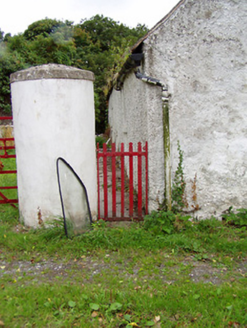
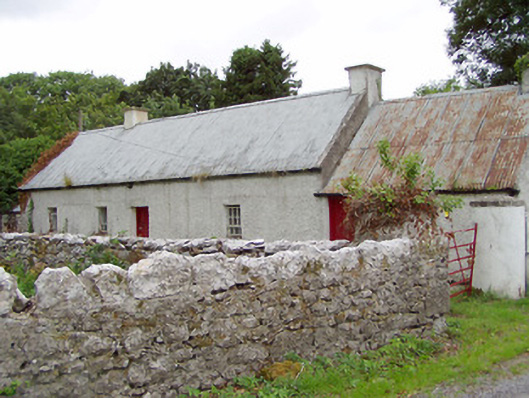
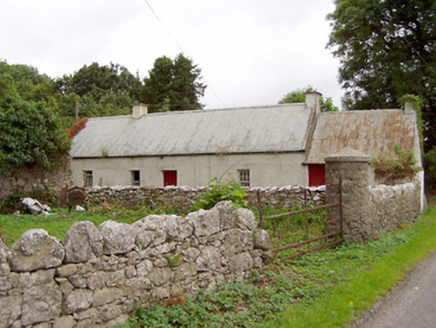
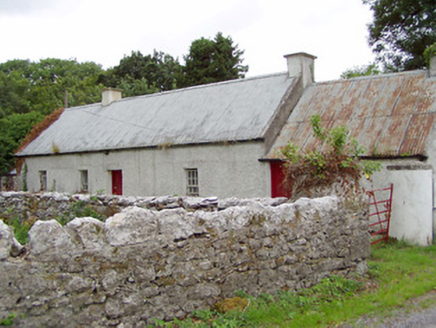
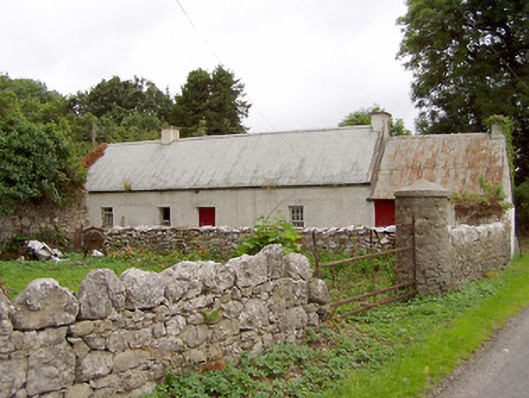
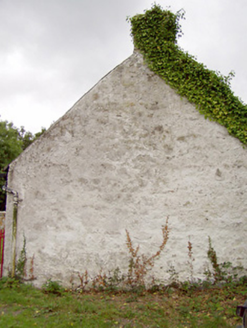
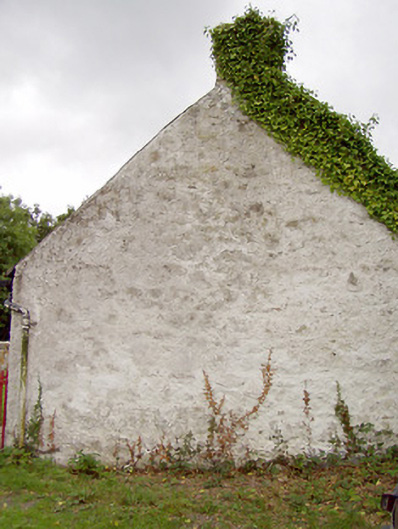
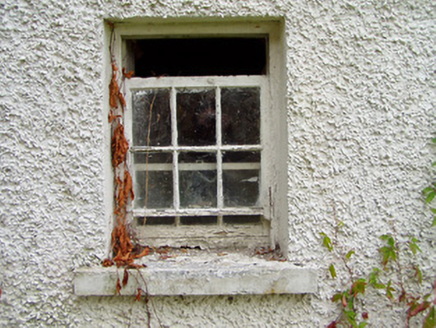
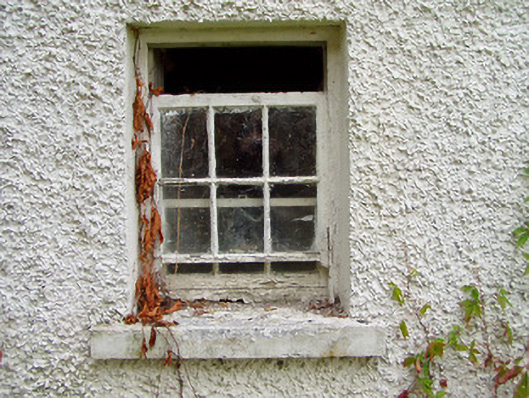
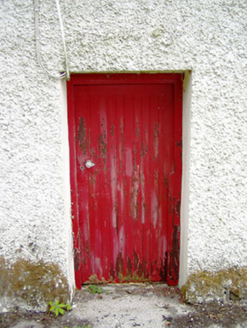
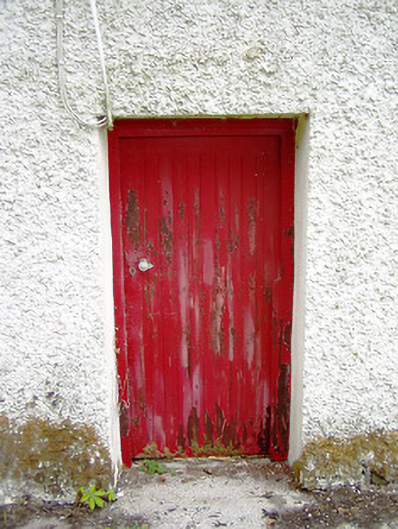
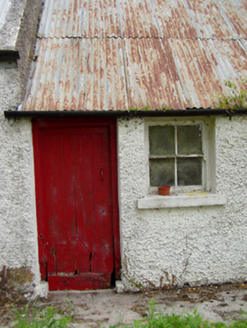
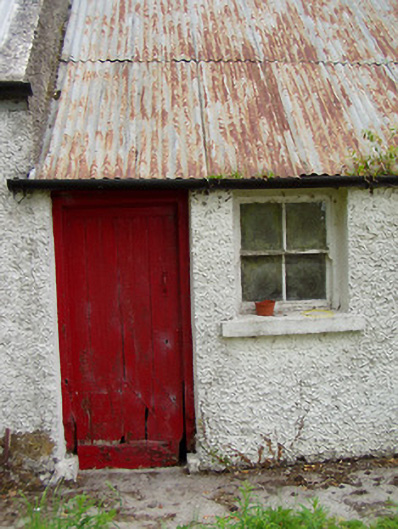
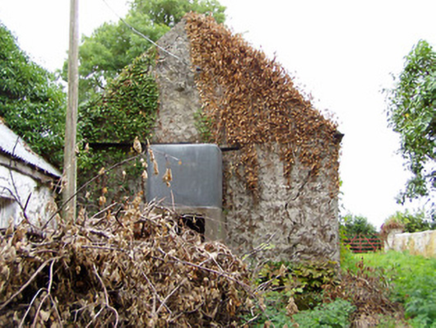
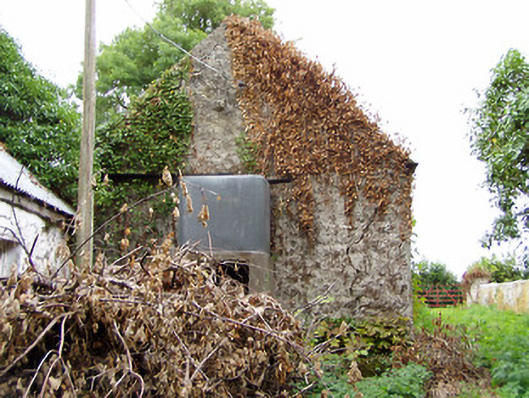
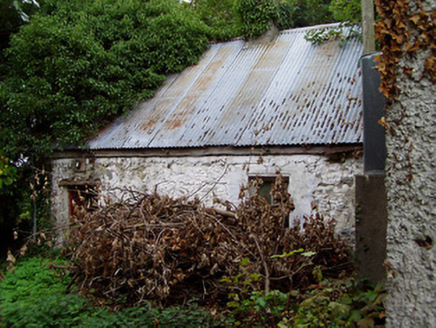
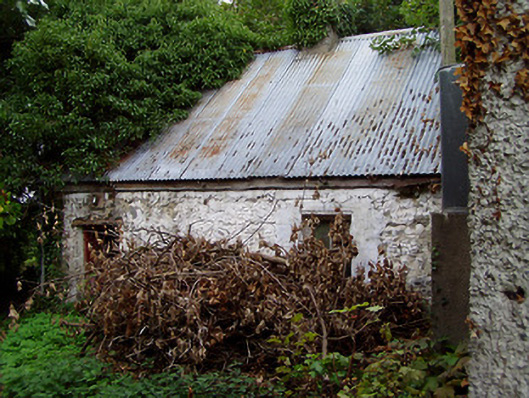
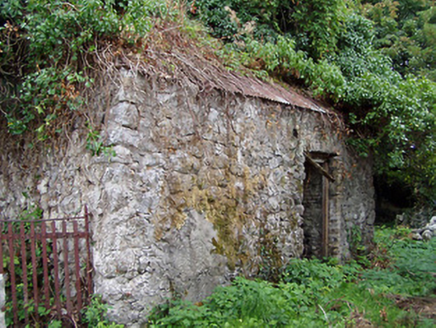
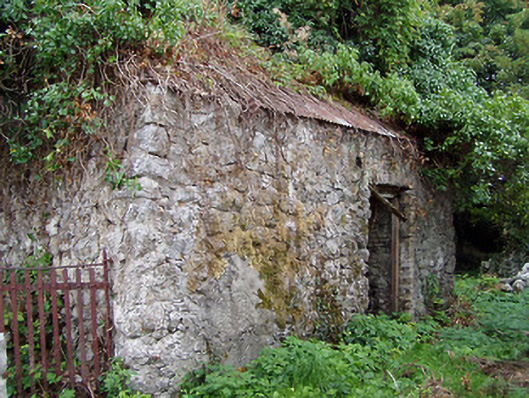
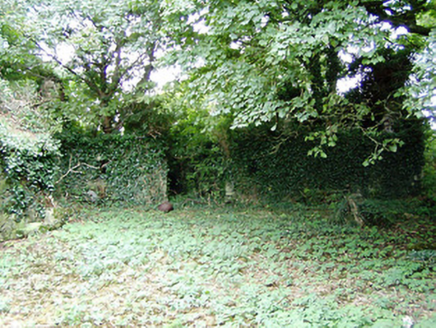
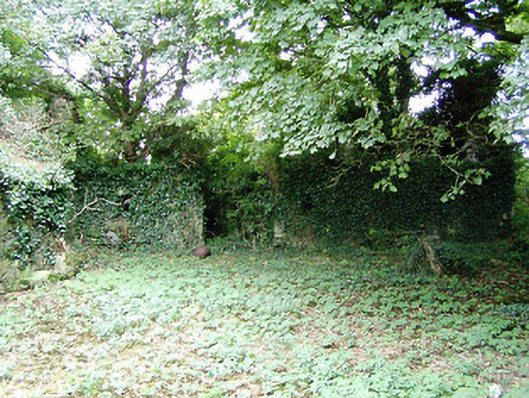
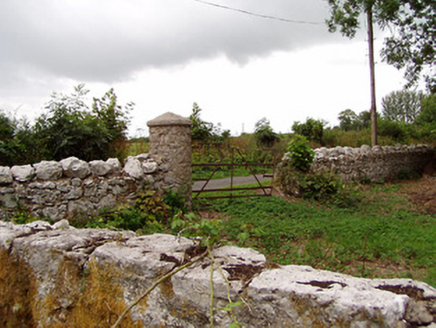
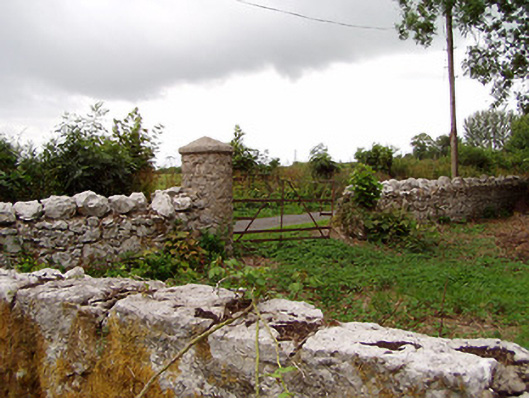
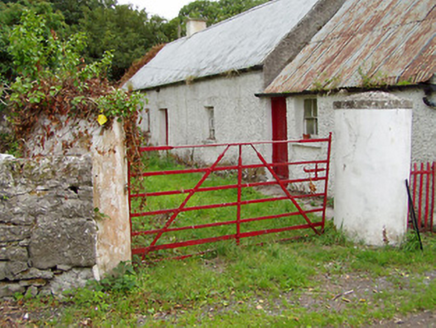
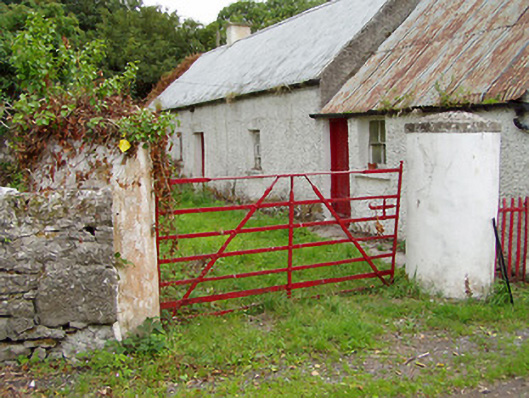
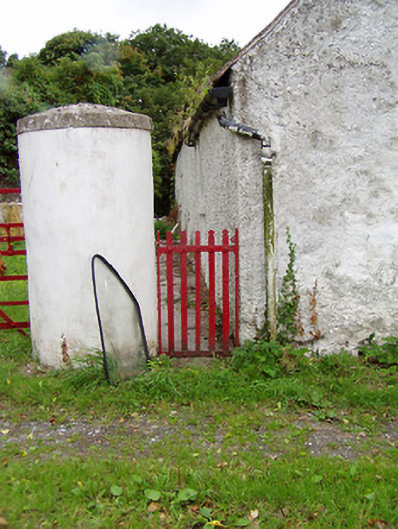
Detached four-bay single-storey vernacular house, built c. 1800, having two-bay single-storey addition to the northeast gable end, built c. 1860. Now disused. Pitched corrugated-metal roof with two rendered chimneystacks to main body of building, one to the northeast gable end and one close to the southwest gable end, and a rendered chimneystack to the northeast gable end of two-bay addition. Raised rendered verges to gable ends of main body of building. Pebbledashed walls, roughcast rendered to the northeast gable end, over rubble stone construction. Square-headed openings having six-over-three pane timber sliding sash windows with painted limestone sills. Square-headed window openings to extension having two-over-two timber sliding sash windows. Square-headed door openings with timber battened doors. Set back from road in own grounds to the southwest of Ballymahon, aligned at a right-angle to the road alignment. Multiple-bay single-storey outbuildings to west and south having pitched corrugated-metal roofs, rubble stone walls and square-headed openings with timber sash windows and battened timber doors. Ruinous single-storey houses or outbuildings to site. Rubble limestone boundary walls to road-frontage to east, and to site. Gateway to the east comprising a pair of rendered rubble stone gate piers (on circular-plan) having rendered caps and wrought-iron flat bar gate. Gateway to the south comprising a rubble stone gate pier (on circular-plan) having a wrought-iron flat bar gate. Wrought-iron flat bar gates to site.
Appraisal
Although this vernacular house is now out of use, it retains its early character and form. It also retains much of its early fabric including timber sliding sash windows, while the corrugated-metal roof suggests that this building was formerly thatched. The long low profile of this structure is typical of many modest vernacular buildings in Ireland and it has been extended along its length, which is a characteristic feature of the Irish vernacular tradition. The irregular spacing of the window openings also suggests that this house was altered or extended at some stage(s). This building is aligned at a right angle to the road alignment, which is another characteristic feature of the vernacular architecture of Ireland. Buildings of this type were once a ubiquitous feature of the rural Irish landscape but are now becoming increasingly rare, which makes this an interesting survival. The complex of outbuildings, the rubble stone walls, gate piers and wrought-iron gates all contribute substantially to the setting and complete this composition. Some of these outbuildings may have been formerly in use as dwellings, later converted to a new use. This building formed part of a group of dwellings and buildings at this site, of which this is the best surviving example. The robust round gate piers to site are part of a north Leinster tradition, and examples are to be found throughout Longford, Westmeath and Meath. This building is an integral element of the built heritage of the area, and adds appeal to its rural location. This house was the home of the Simons family c. 1860 (Griffith's Valuation) and in 1901 (Census).