Survey Data
Reg No
13402402
Rating
Regional
Categories of Special Interest
Architectural, Artistic
Original Use
House
In Use As
House
Date
1790 - 1830
Coordinates
226387, 263820
Date Recorded
17/08/2005
Date Updated
--/--/--
Description
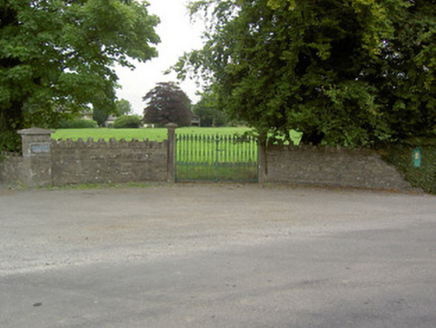
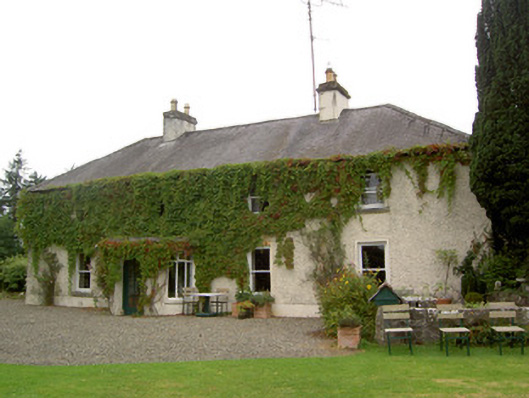
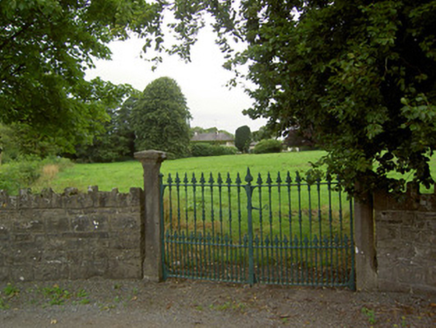
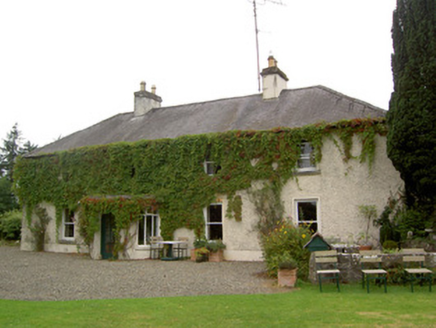
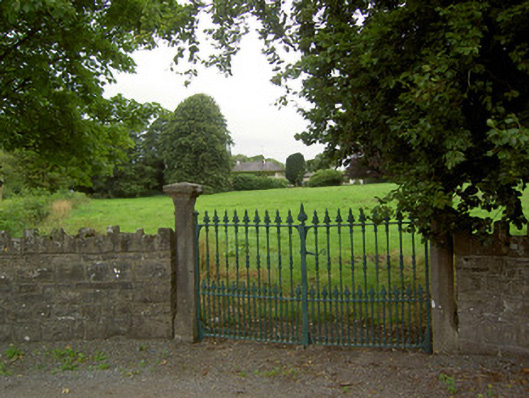
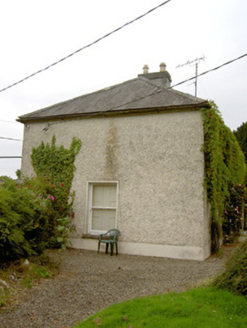
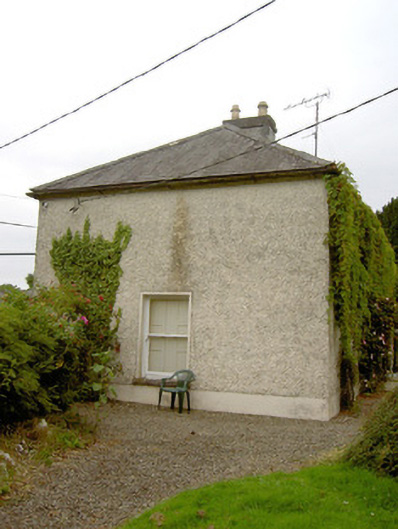
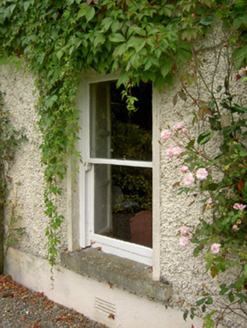
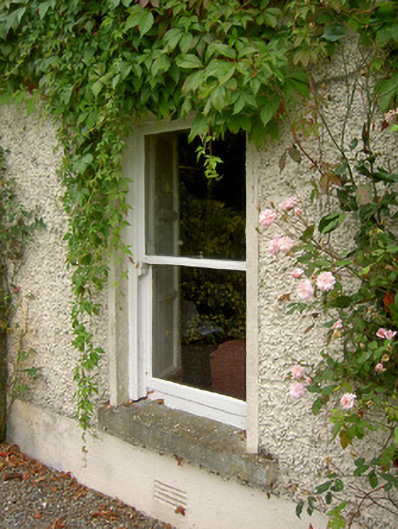
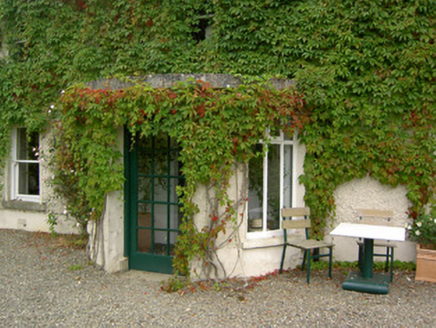
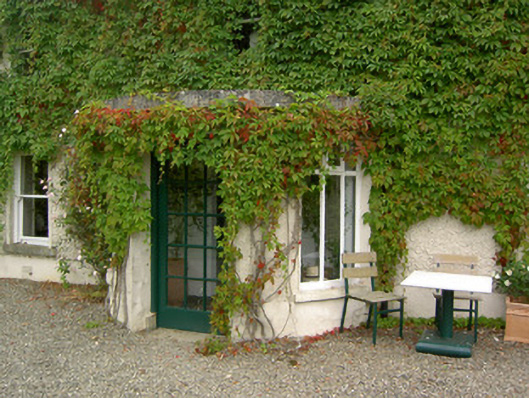
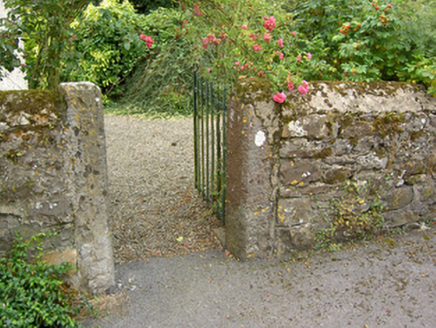
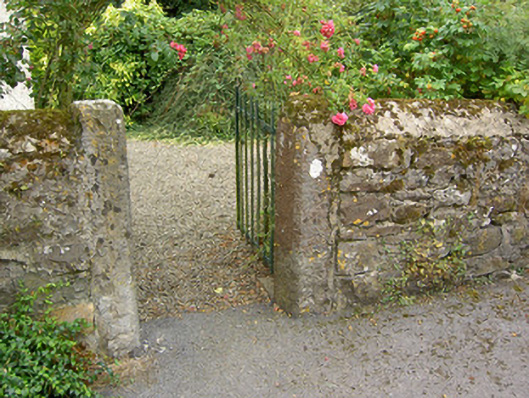
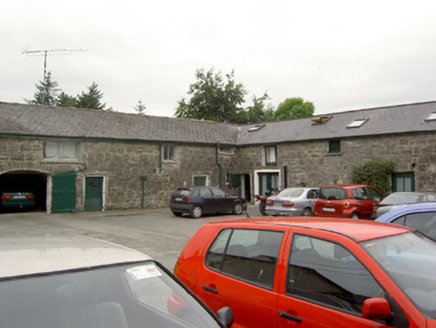
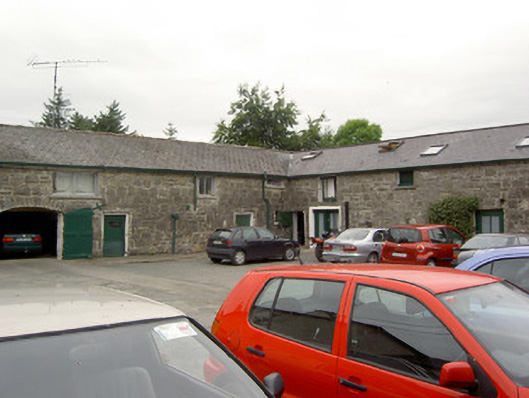
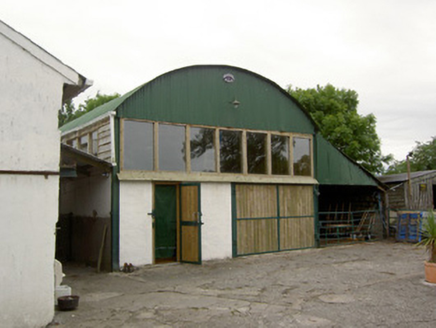
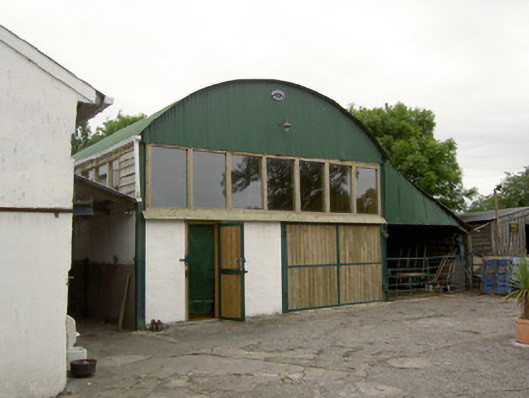
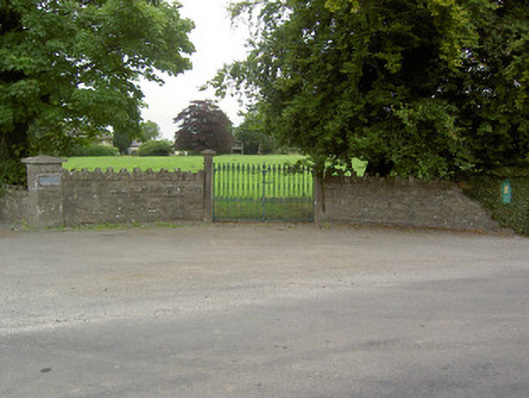
Detached four-bay two-storey house, built c. 1810, having later bowed single-bay single-storey flat-roofed entrance porch offset close to the centre of the main elevation (southeast). Single- and two-storey extensions to rear, added c. 1960. Single-storey block attached to northeast gable end. Now partially in use as a dance school with associated residential accommodation. Hipped natural slate roof with two rendered chimneystacks having terracotta pots and cast-iron rainwater goods. Pebbledashed walls over smooth rendered plinth course; walls now overgrown with vegetation. Square-headed window openings with smooth rendered surrounds, tooled cut limestone sills and diminishing one-over-one timber sliding sash windows. Square-headed door opening to porch having glazed door. Timber shutters visible to window interiors. Complex of two-storey outbuildings, c. 1860, arranged around a courtyard to the rear (northwest) having pitched artificial slate roofs, roughly coursed limestone walls, square-headed window and door openings with timber fittings and a segmental-headed carriage arch with timber double doors. Steel-farmed corrugated-metal barn to rear having manufacturer's plate (Smith and Pearson) to front elevation, now in use as a dance studio. Former main entrance gateway to the south of house, erected c. 1880 but now disused, comprising a pair of cut limestone gate posts having chamfered edges and moulded caps, and having a pair of cast-iron gates. Gateway flanked to either side by sections of rubble stone wall and terminated by squared rubble stone gate piers (on square-plan) having capstones over. Post box (13402404) built into boundary pier to the east. Sections of rubble stone boundary walls along road-frontage to the south and west. Pedestrian gateway to the southwest of house comprising a pair of roughly dressed limestone gate posts with curved heads and a wrought-iron flat bar gate. Set back from road in extensive mature grounds to the west of Legan.
Appraisal
Although extended, this substantial house retains much of its early character and form. It also retains much of its salient fabric including timber sliding sash windows, timber window shutters and a natural slate roof. The long low profile of the front elevation, with the first floor window openings set close to the eaves, suggests that this building may be of considerable antiquity, perhaps dating to the last decades of the eighteenth century. The good quality outbuildings to the rear, now in a new use, probably date to the mid-nineteenth century, and indicate that this was a prosperous landholding at the tie of construction. The scale of these outbuildings provides an historical insight into the resources required to run and maintain a middle-sized landholding in rural Ireland during the nineteenth century. The good quality gateway to the south is a later addition, erected c. 1880, has well-carved limestone gate posts and attractive cast-iron gates, which adds an element of artistic and aesthetic interest to the roadscape to the east of Legan. This complex comprising the house, entrance gates and outbuildings forms an attractive farming group in the landscape and is an integral element of the built heritage of the local area. This house has historical connections with, and is named after, the Shaw family. The Shaw family lived at Carrigeen from the early-eighteenth century (a James Shaw of Carrigeen, who fought with William of Orange, died in 1713 and is buried at the ruinous graveyard at Rathreagh churchyard (13315009) a short distance to the west). There are references to a house called Shawbrook dating back to the mid-eighteenth century when a Matthew Shaw (died 1769) was in residence. However, it is not clear if he resided at this dwelling or at an earlier house on or close to this site. Matthew Shaw seems to have acquired the estate from an Alexander Black of Slynan/Sleehaun House (13401924) in 1754. The Shaw family lived here throughout the nineteenth century and into the twentieth century. There is a Shaw family plot at Taghshinny Church of Ireland church (13402329) to the southwest. The outbuildings to the rear are now in use as dance school with residential accommodation, and were altered c. 1980.