Survey Data
Reg No
13402310
Rating
Regional
Categories of Special Interest
Architectural
Original Use
House
Date
1800 - 1820
Coordinates
215114, 261623
Date Recorded
01/09/2005
Date Updated
--/--/--
Description
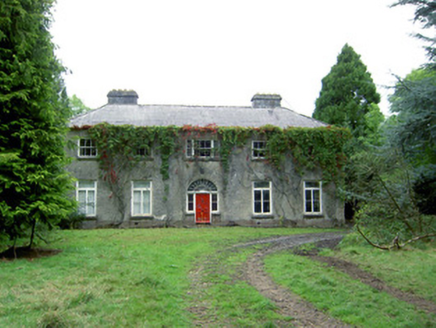
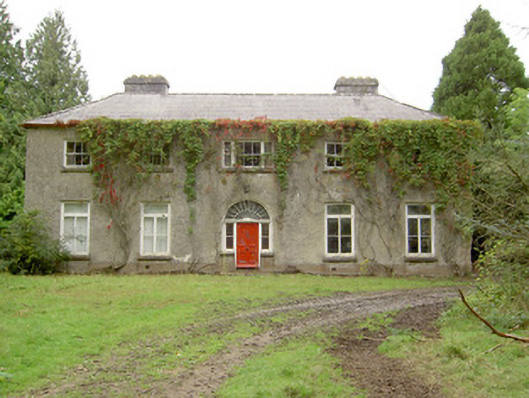
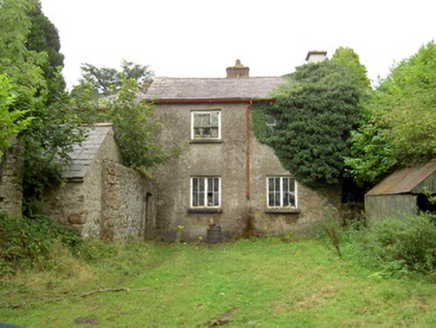
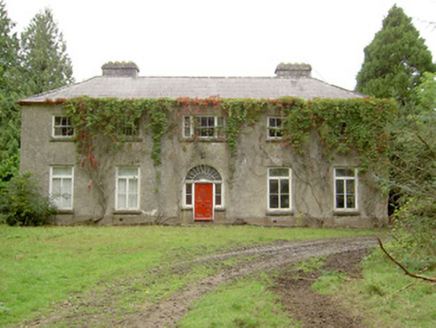
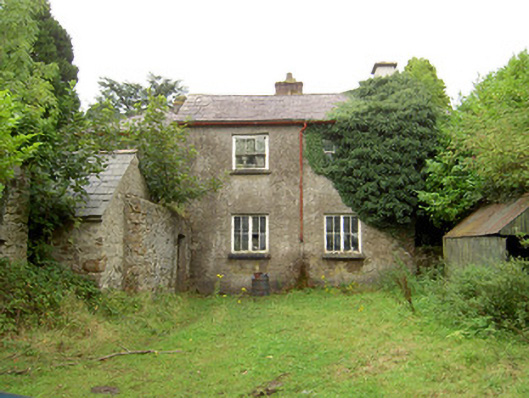
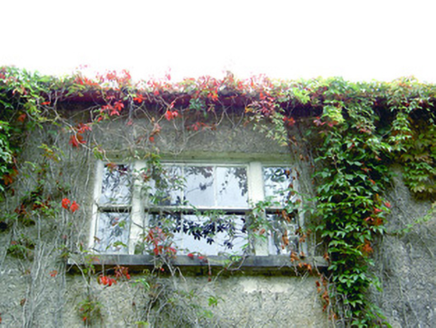
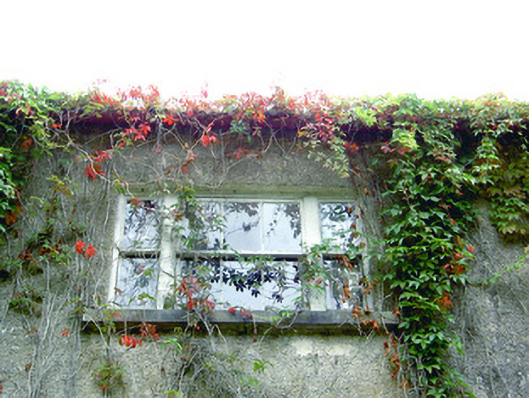
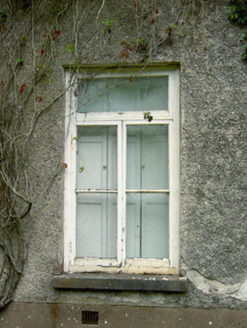
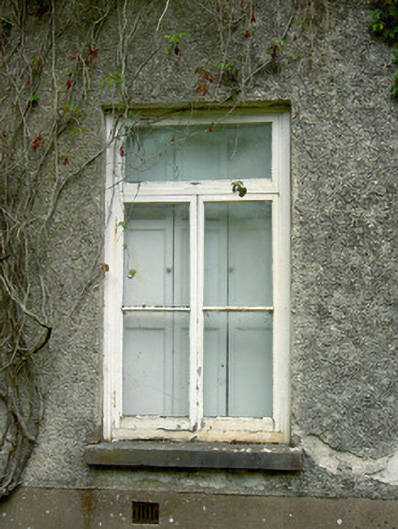
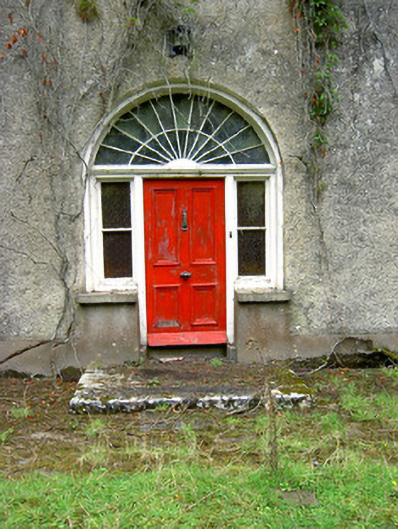
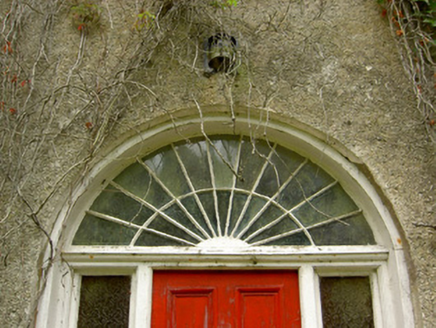
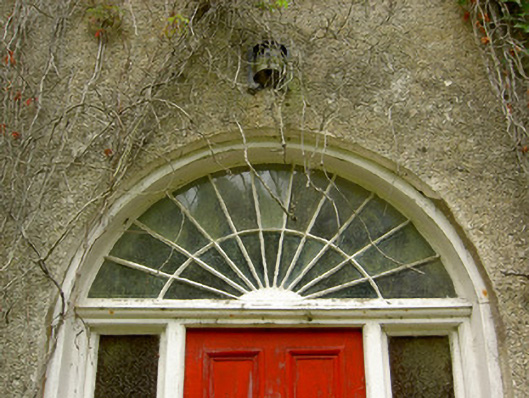
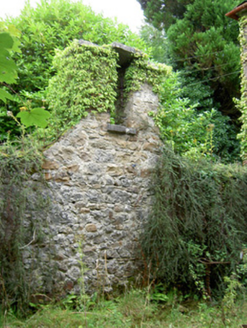
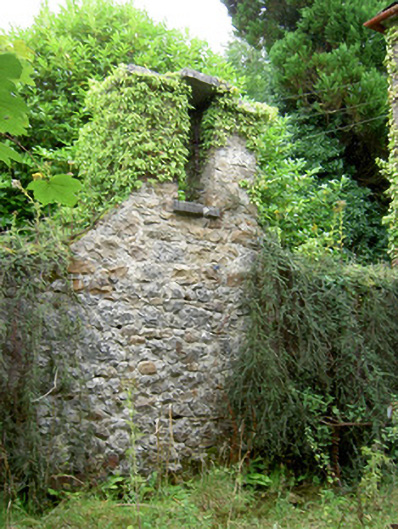
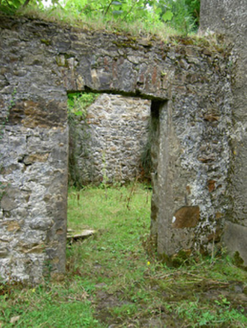
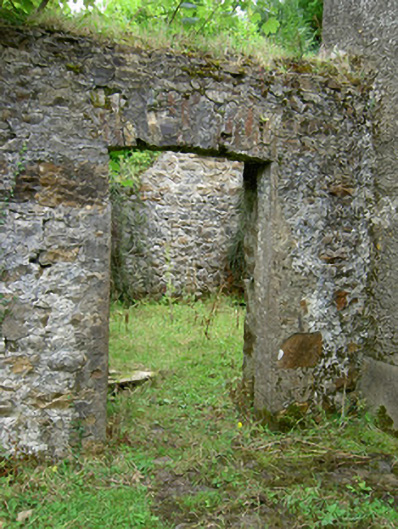
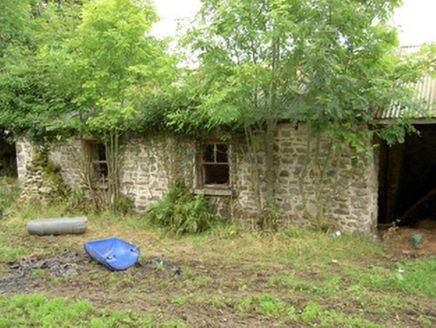
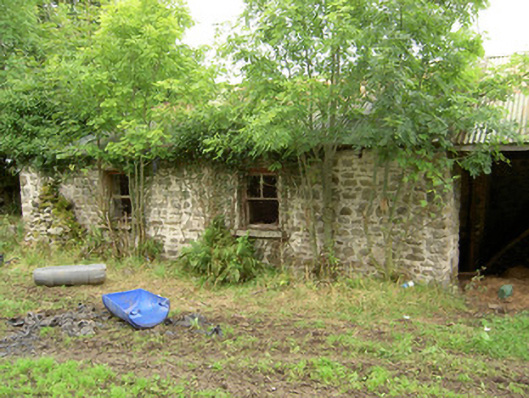
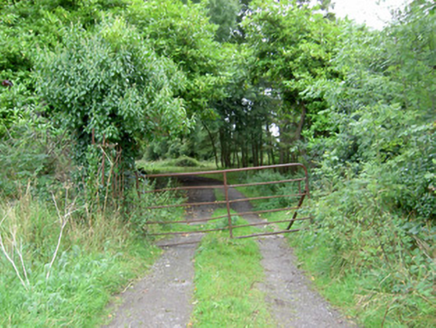
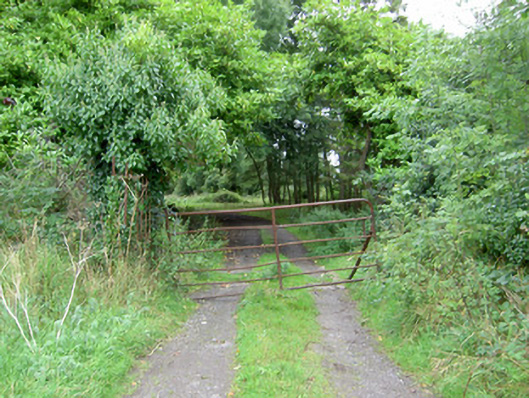
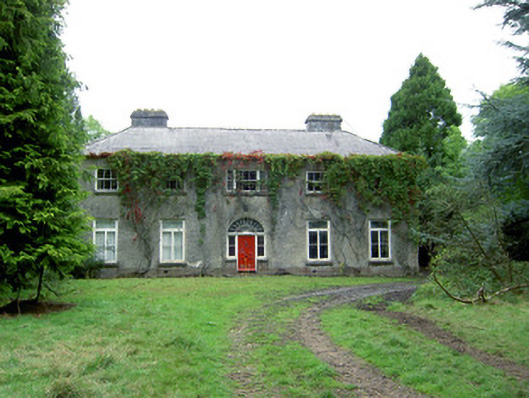
Detached five-bay two-storey house, built c. 1810 and possibly incorporating earlier fabric, with return and extension to rear (northwest). Now disused. Hipped natural slate roof with pair of ashlar limestone chimneystacks having terracotta chimney pots and cast-iron rainwater goods. Brick chimneystack and rendered chimneystack to rear return. Roughcast rendered walls over smooth rendered plinth course. Square-headed window openings with central Wyatt/tripartite window to central bay at first floor level, three-over-three pane timber sliding sash windows to remaining first floor window openings and timber casement windows to ground floor, all having tooled limestone sills. Paired two-over-two pane timber sliding sash windows to rear elevation (northwest) at Central round-headed door opening to main elevation (southeast) with timber panelled door flanked by sidelights and having wide timber spoked fanlight above. Square-headed door opening to northeast elevation with glazed timber door. Set back from road in mature grounds with lawned garden to front (southeast). Located to the southeast of Keenagh and to the northwest of Barry. Complex of single-storey outbuildings to the rear having pitched natural slate and corrugated-metal roofs, rubble stone walls, and square-headed openings with remains of two-over-two pane timber sliding sash windows and timber battened doors. Rubble limestone bellcote attached to the gable end of one outbuilding having cut stone coping over and remains of metal bell fittings. Rubble stone boundary walls to site; partially roughcast rendered rubble stone boundary wall to the northwest of house having integral square-headed pedestrian gateway. Main entrance gateway to the east, at start of long approach avenue to house, having remains of cast-iron gates and a modern mild steel farm gate.
Appraisal
Although now unoccupied, this fine and well-proportioned house retains its early form and character. The wide central fanlit doorway, the shallow hipped roof and the central Wyatt window at first floor level gives this building a Regency feel, suggesting that it was built or rebuilt during the first decades of the nineteenth century. This building also remains much of its early fabric, including timber sliding sash windows. The low roofline and the squat window openings at first floor level help this building quite a robust architectural character. The wide fanlit doorway with the Wyatt window over provides an attractive central focus to the main façade and adds decorative interest to the otherwise plain front façade (south). This building is an example of the language of classical architecture stripped to its barest fundamental elements, which creates a fine dwelling in a subtle style. This is exhibited through features such as the rigid symmetry to the main elevation, the central round-headed doorway, the diminishing window openings and centrally placed chimneystacks. The form of this building is typical of many middle-sized rural houses dating to the first decades of the nineteenth century and built by prosperous farmers, professionals, clergy and members of the minor gentry. The timber casement windows at ground floor level, and possibly the doorway with sidelights, to the front elevation were probably added c. 1900. The simple collection of outbuildings to the rear and the rubble stone boundary walls to site add considerably to the setting of this notable composition. The present building may contain the fabric of an earlier building to site, and it was the residence of a Robertson (Robinson) Esq. c. 1780 (Taylor and Skinner map 1777 – 1783). There are references to the Robinson family at Lissglassock/Lisglassoge dating back to the start of the eighteenth century (1717 and 1725). Lisglassock House was the home of a John Robinson Esq. in 1837 (Lewis). John Robertson (1766 – 1839) was an important person in County Longford, serving as High Sheriff in 1809, and as a grand juror and as a magistrate for almost 40 years. The Robinson family (John Robinson) also had a seat at nearby Park Place c. 1837, now demolished (13402308). The Robinson family were still resident at Lisglassock in 1901. This building remains an important element of the built heritage of the local area, and is one of a number of attractive middle-sized houses in south County Longford.