Survey Data
Reg No
13402221
Rating
Regional
Categories of Special Interest
Architectural, Social
Original Use
Rectory/glebe/vicarage/curate's house
In Use As
House
Date
1790 - 1830
Coordinates
212811, 261720
Date Recorded
18/08/2005
Date Updated
--/--/--
Description
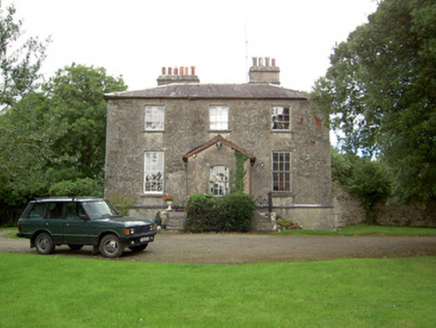
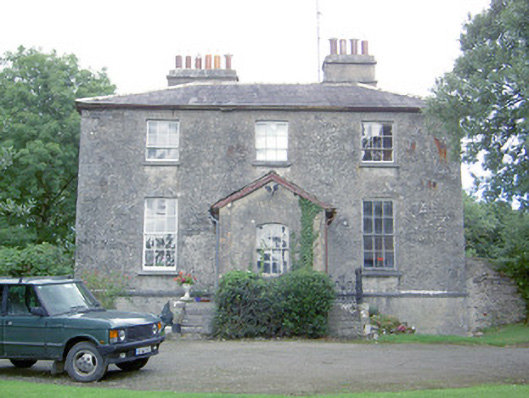
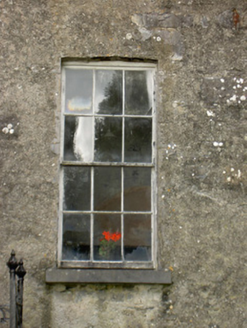
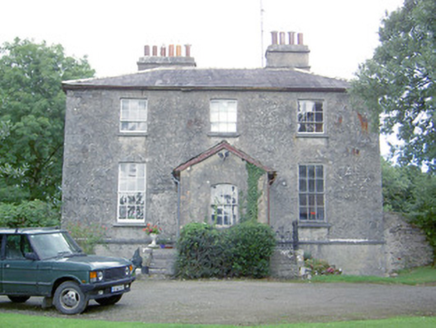
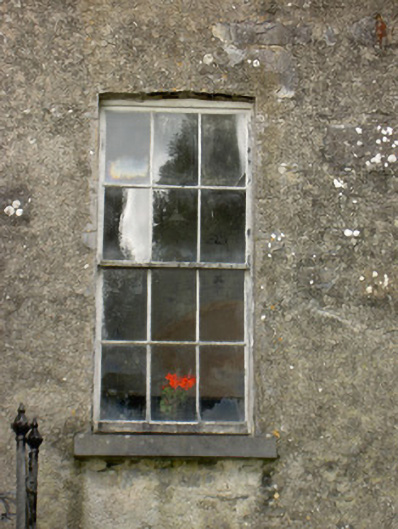
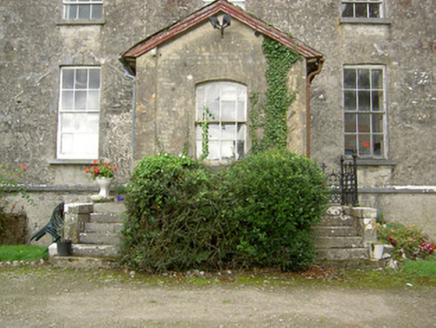
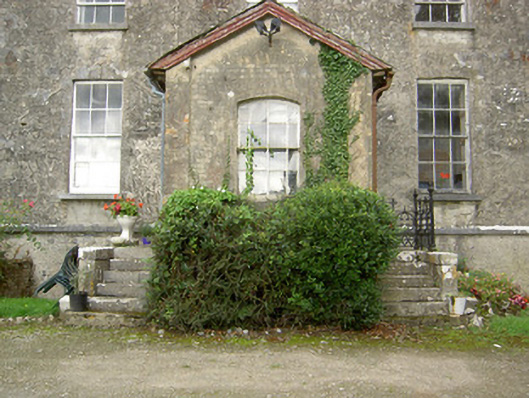
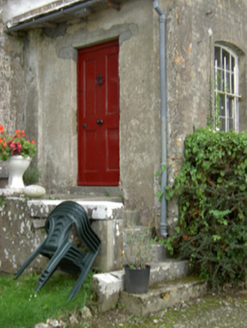
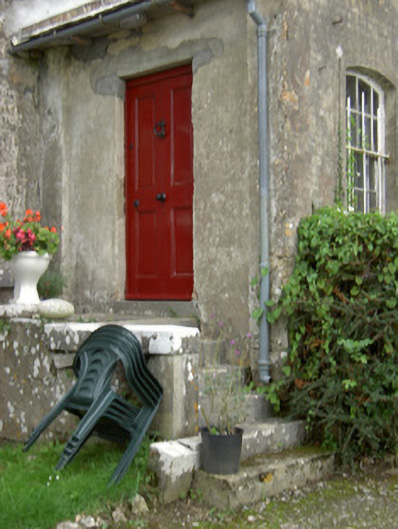
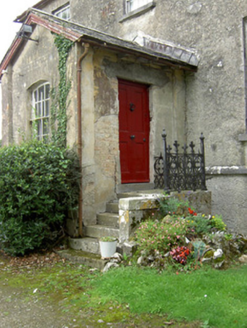
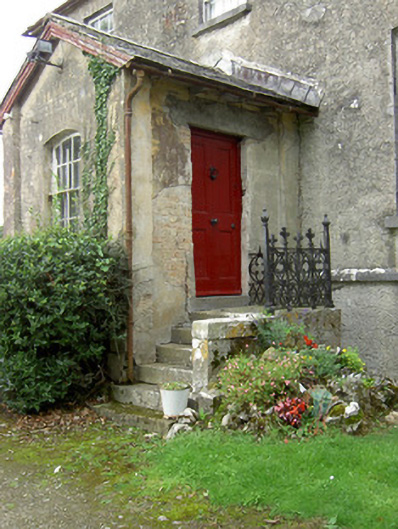
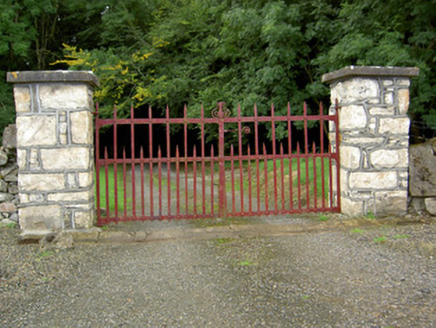
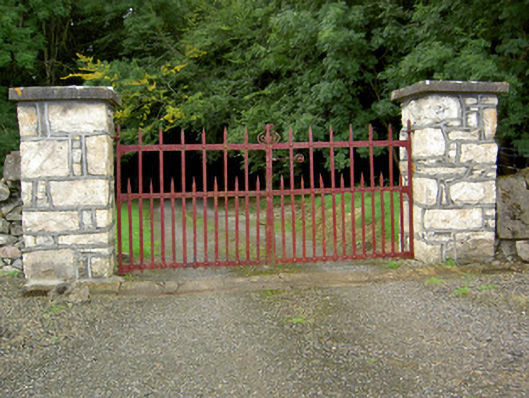
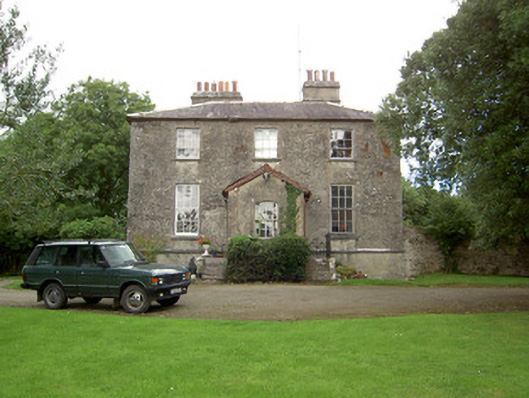
Detached three-bay two-storey over half basement former Church of Ireland rectory on L-shaped plan, built c. 1790 and altered or rebuilt c. 1827, having single-bay gable-fronted porch to the centre of the front elevation (south) and two-storey return and single-storey lean-to extension to rear (west). Now in use as private house. Hipped natural slate roof with rendered chimneystacks and cast-iron rainwater goods. Roughcast rendered walls over rubble stone construction; chamfered cut stone eaves course above basement level. Cement rendered finish to porch over brick construction. Square-headed window openings with six-over-three pane timber sliding sash windows to first floor and six-over-six pane timber sliding sash widows to ground floor, all with tooled limestone sills. Segmental-headed window opening to front face of porch (south) having timber sliding sash window. Wrought-iron security bars to number of openings to rear elevation. Square-headed door openings to either side of porch (east and west) having timber panelled doors. Flights of cut stone steps to either side of porch having dressed limestone plinth walls; cast-iron railings to the east flight of steps. Set back from road in substantial mature grounds to the south of Keenagh. Complex of outbuildings to the east and to the north (13402209). Main entrance gateway to the north comprising a pair of rebuilt rubble stone gate piers (on square-plan) having cut stone caps and a pair of wrought-iron flat-bar gates. Associated Church of Ireland church (13313025) to the north in Keenagh, and former church (13402211) to the southwest.
Appraisal
This well-proportioned former Church of Ireland rectory retains its early form, character and fabric. This building is an example of the language of classical architecture stripped to its barest fundamental elements, which creates a fine dwelling in a subtle style. This is exhibited through features such as the rigid symmetry to the main elevation, the central doorway, the diminishing window openings and centrally placed chimneystacks. The three-bay two-storey form is typical of Church of Ireland rectory buildings (particularly built by the Board of First Fruits), and many middle class gentleman’s residences, dating from the late-eighteenth and early-nineteenth century. The projecting brick porch to the front elevation may be a later addition, perhaps added during the mid-to-late nineteenth century. This porch is unusual in that it has doors to two elevations, which are reached by flights of cut stone steps. The cast-iron railings to the east side of the porch add an element of artistic interest to the main elevation. This building is of social interest to the local community as a former Church of Ireland rectory. The location of this former rectory and the associated outbuildings suggests that it was originally associated with the now ruinous church (13402211) to the southwest and that it predates the construction of the Church of Ireland church (13313025) at Keenagh to the north (built in 1832). It was altered or rebuilt c. 1827 at a cost of £784, of which £692 was a loan, and £92 a gift from the Board of First Fruits (Irish Parliamentary Returns 1837). This rectory forms part of a pair of related sites along with the associated outbuildings (13402209), and part of a notable group of related structures along with the fine Church of Ireland church at Keenagh (13313025) to the north and the ruinous church (13402211) to the southwest. Situated in attractive mature grounds, this building is an integral element of the built heritage of the local area. The simple but appealing wrought-iron gates to the north complete the setting. It is possible that this rectory originally dates to 1795 (documentary source). It was described by Lewis (1837) as being in the patronage of the Archbishop of Tuam, and having a glebe of 173 acres. It was possibly the residence of a Benjamin Cronin/Cronyn between 1827 – 1832. It was described as the ‘the property of the Revd. G. Britton, held by a deed for ever,’ c. 1835 (O’Donovan Letters), the residence of the Rev. J. Armstrong and Rev. K. Lyons c. 1854 (Griffith’s Valuation), the home of Rev. Robert James Card in 1881 (Slater’s Directory), and the residence of Rev. William Welwood in 1894 (Slater’s Directory).