Survey Data
Reg No
13402105
Rating
Regional
Categories of Special Interest
Architectural
Original Use
House
In Use As
House
Date
1780 - 1820
Coordinates
202047, 262295
Date Recorded
04/08/2005
Date Updated
--/--/--
Description
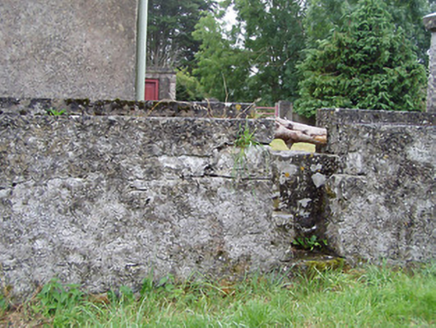
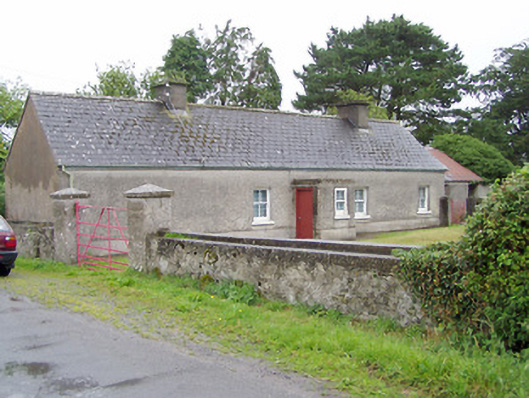
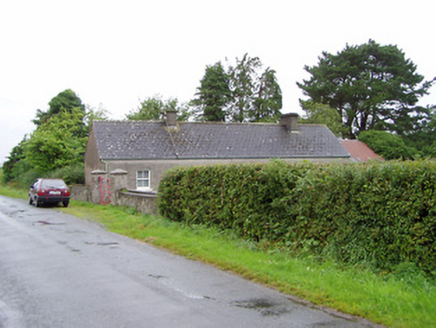
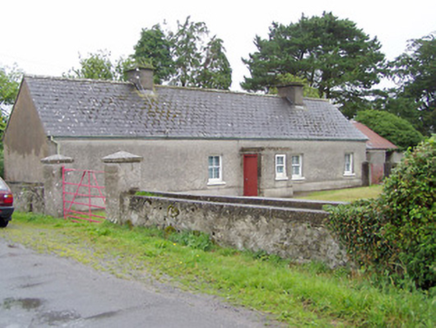
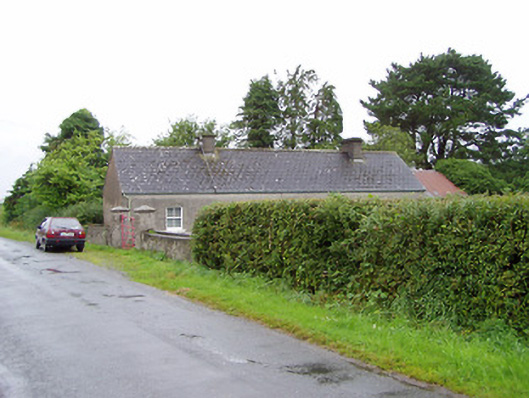
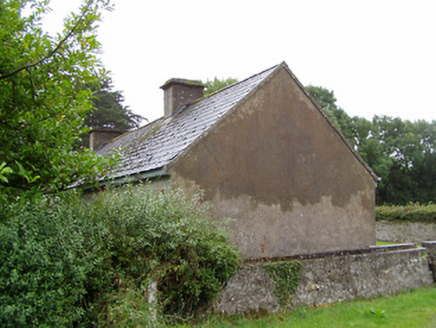
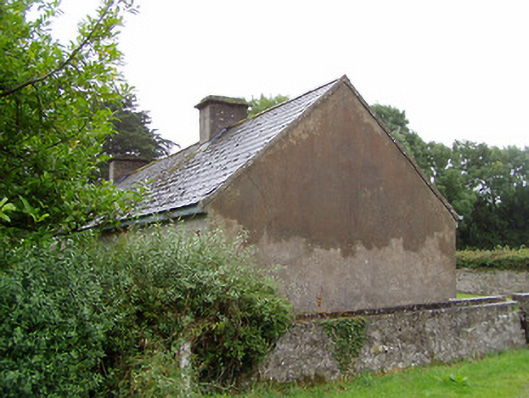
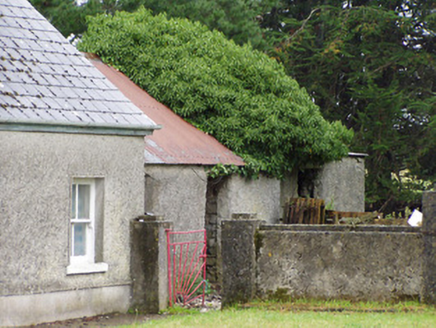
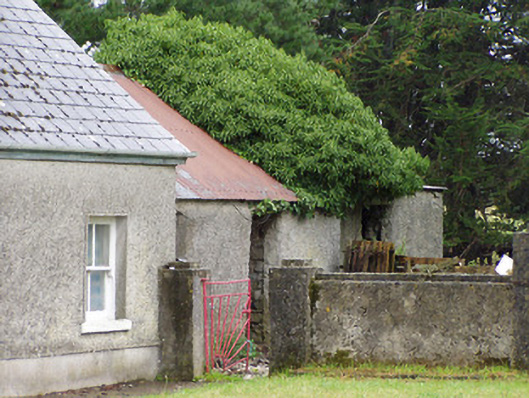
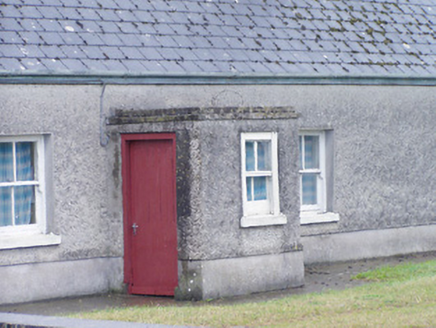
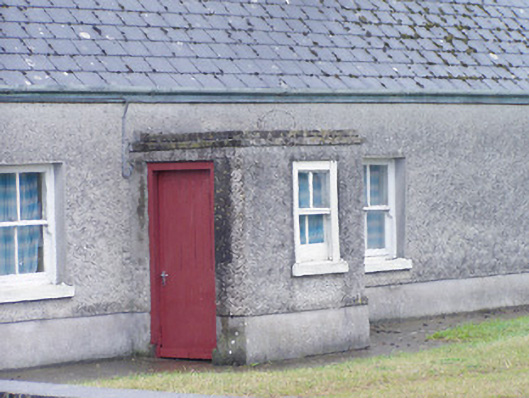
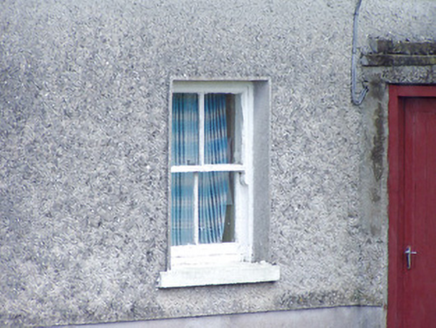
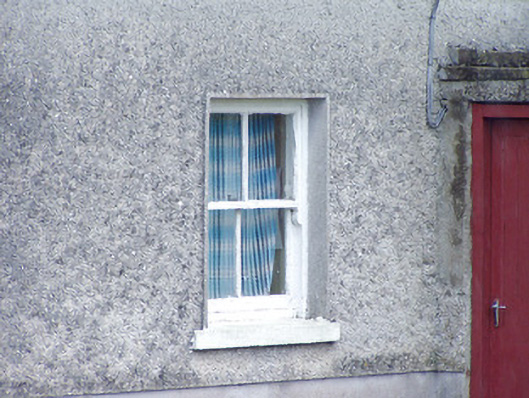
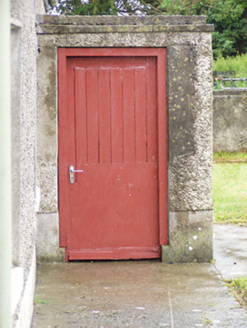
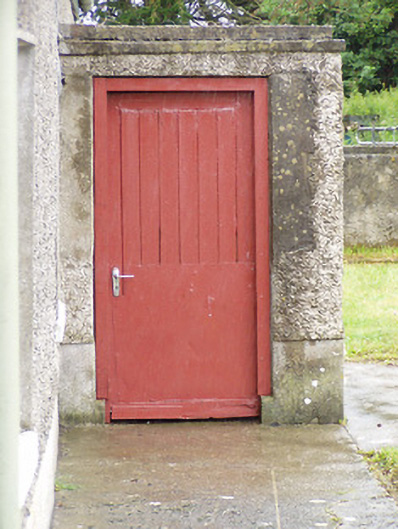
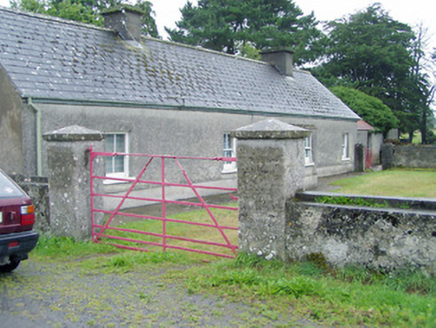
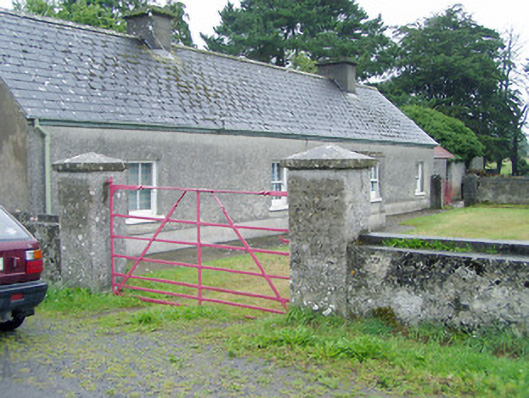
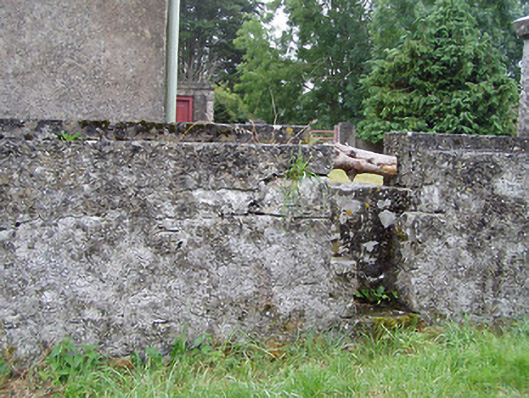
Detached four-bay single-storey vernacular house, built c. 1800, having projecting flat-roofed single-bay porch (added c. 1930) offset close to centre of front elevation (southeast). Single-storey outbuilding attached to northeast gable end. Pitched slate roof with two rendered chimneystacks and having cast-iron rainwater goods. Roughcast-rendered walls over smooth rendered plinth course. Square-headed window openings with two-over-two timber sliding sash windows having tooled limestone sills and cement rendered reveals. Square-headed door opening to southwest face of porch having timber battened door. Multiple-bay single-storey outbuildings to northeast gable end having pitched corrugated-metal roof and roughcast rendered finish over rubble limestone masonry construction. Set slightly back from road at a right-angle to the road alignment. Garden/yard to front (southeast). Rendered boundary walls to road-frontage to the southwest. Gateway to the southwest comprising a pair of rendered gate piers (on square-plan) having wrought-iron flat bar gate. Stile located in boundary wall to the northwest side of gateway. Gateway to the northeast of house, giving access to yard containing outbuilding, comprising a pair of rendered gate piers (on square-plan) having wrought-iron pedestrian gate. Located to the southeast of Lanesborough.
Appraisal
This modest vernacular house retains much of its early character and form, and is a pleasing feature in the rural landscape to the southeast of Lanesborough. The house retains many interesting features and materials, such as the timber sash windows and limestone sills. This building is aligned at a right-angle to the road alignment, which is a characteristic feature of the Irish vernacular tradition. The form of this building suggests that it was extended along its length to the northeast at some stage and, possibly, that it was formerly thatched. The irregular spacing of the openings is another characteristic feature of the Irish vernacular tradition. Buildings of this type were, until recently, a characteristic feature of the rural Irish landscape but are now becoming increasingly rare survivals. Prominently sited, the house provides a positive and interesting contribution to the roadscape. The simple wrought-iron gates to site, and the outbuilding attached to the northeast gable end, add to the setting and complete this composition.