Survey Data
Reg No
13402009
Rating
Regional
Categories of Special Interest
Architectural
Original Use
House
In Use As
House
Date
1840 - 1860
Coordinates
227534, 269016
Date Recorded
12/08/2005
Date Updated
--/--/--
Description
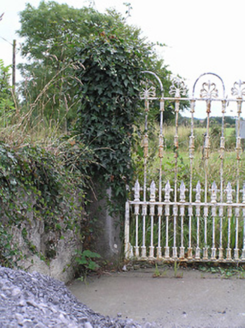
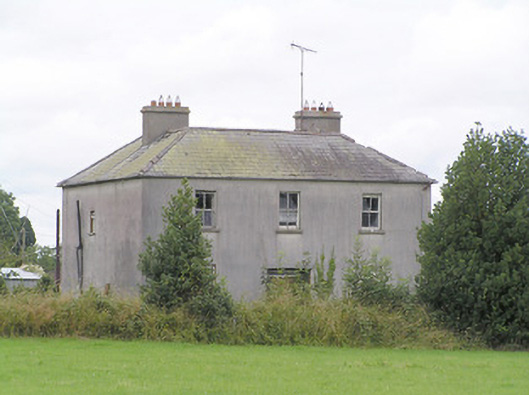
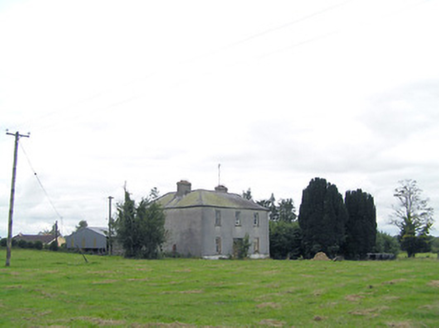
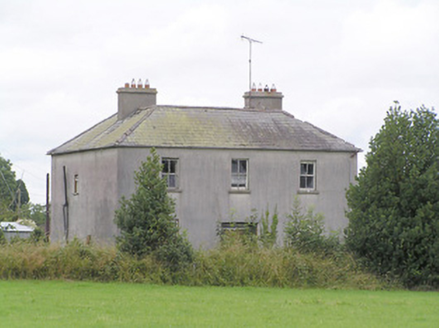
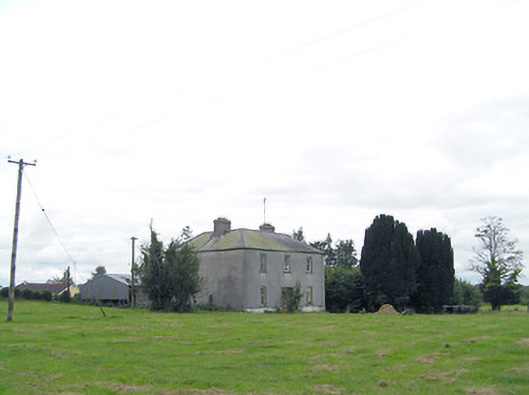
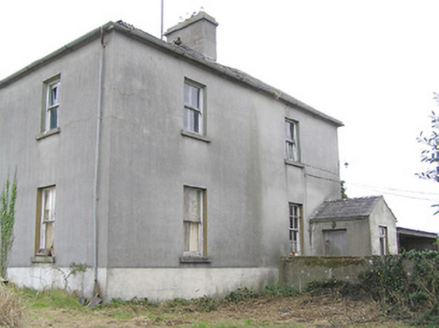
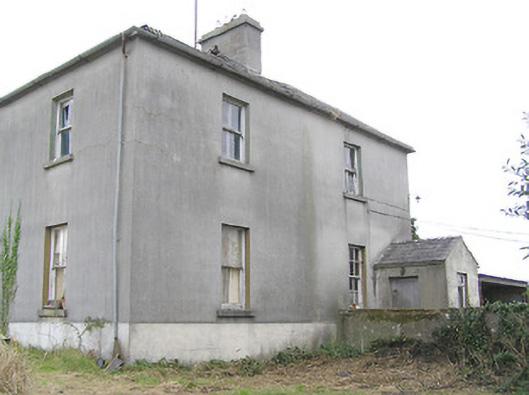
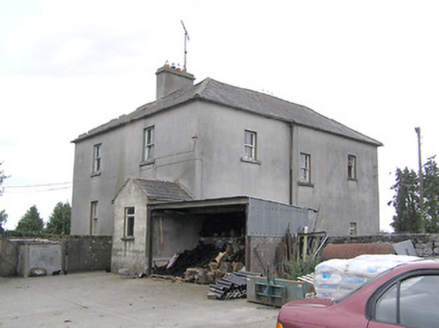
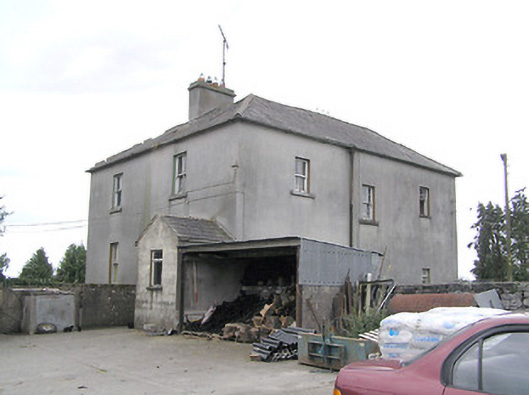
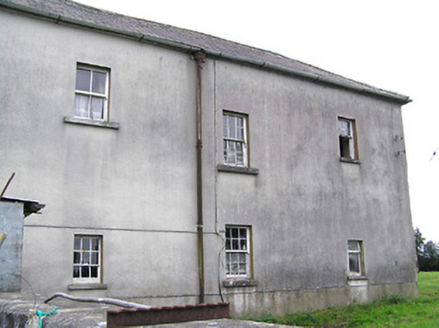
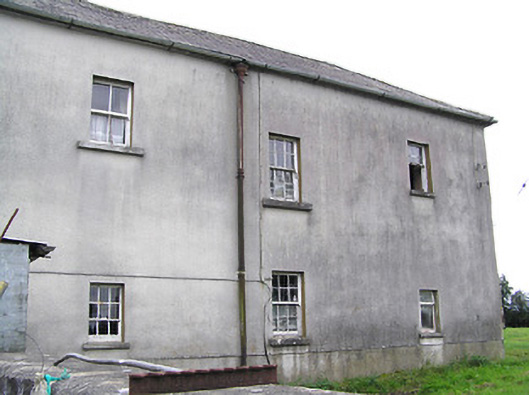
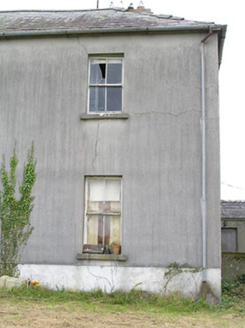
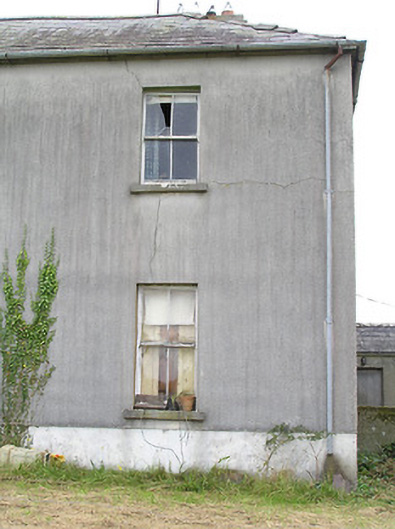
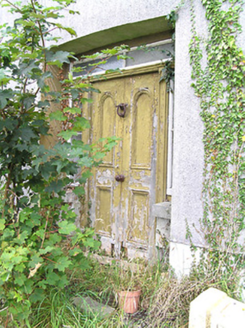
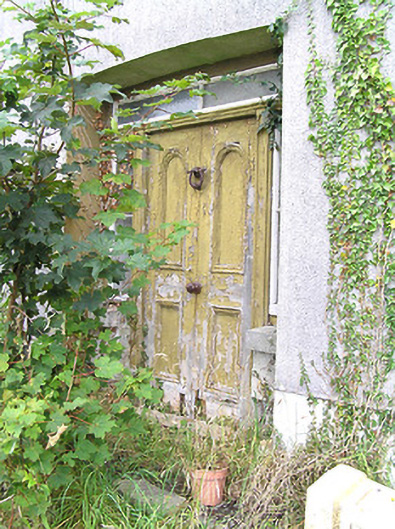
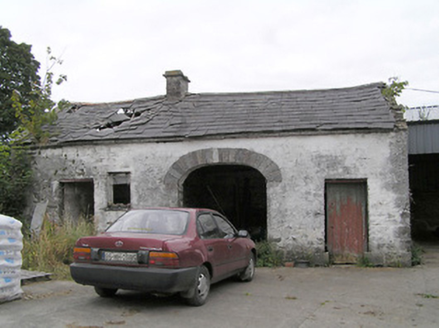
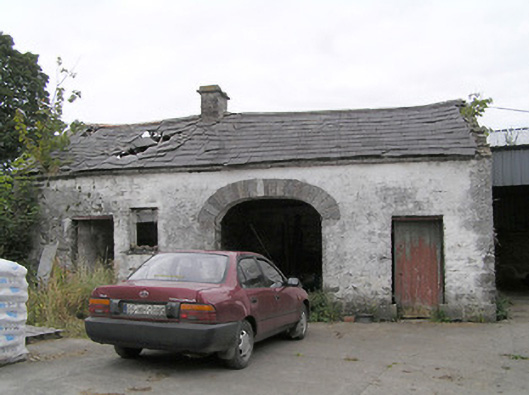
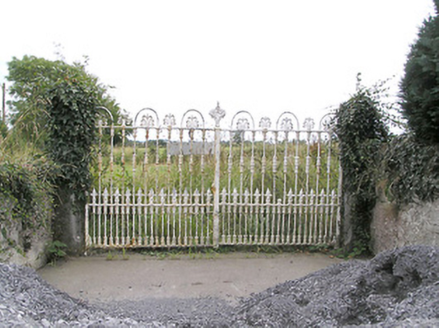
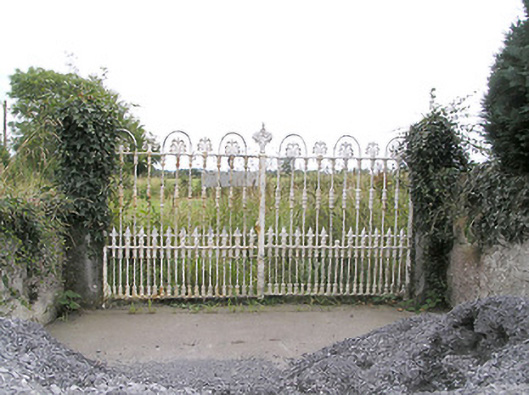
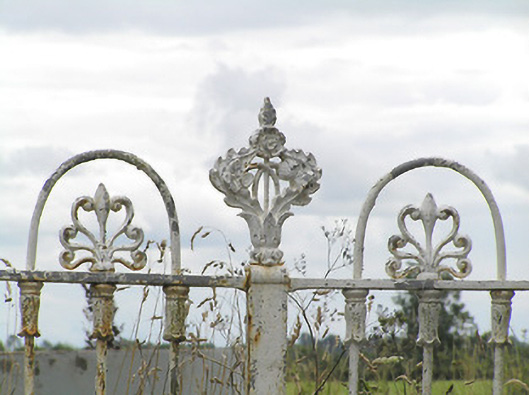
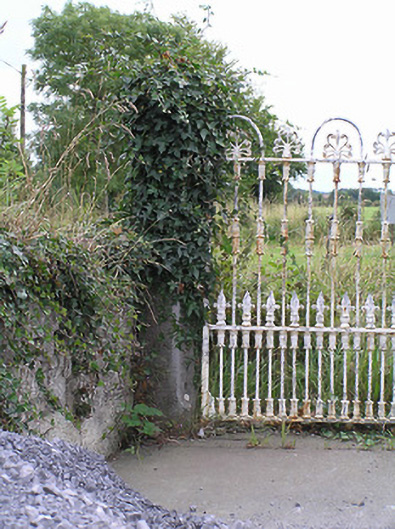
Detached three-bay two-storey house, built c. 1850, having porch with pitched natural slate roof to rear of the northeast elevation. Now out of use. Hipped natural slate roof with two rendered chimneystacks and cast-iron rainwater goods. Cement rendered walls over cement rendered plinth course. Square-headed window openings with stone sills. And having mainly two-over-two pane timber sliding sash windows; some six-over-six pane timber sliding sash windows to rear (northwest) and northeast elevation. Central square-headed door opening to front elevation (southeast) with overlight, sidelights and having timber panelled door Set back from road in own grounds to the southeast of Edgeworthstown. Detached three-bay single-storey outbuilding to rear with pitched natural slate roof with cut stone eaves course and central stone chimneystack, painted rendered rubble stonewalls, square-headed openings with timber fittings and elliptical-arched carriage arch with cut stone voussoirs. Multiple-bay single-storey range of outbuildings to rear with corrugated-metal and corrugated-asbestos roofs, rendered walls and square-headed openings with timber fittings. Main entrance gates to the northeast comprising a pair of chamfered limestone gate posts with ornamental cast-iron gates. Rendered rubble stone boundary walls to either side of gateway (northwest and southeast).
Appraisal
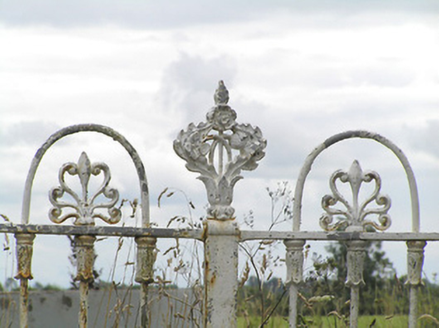
Although now out of use, this robust mid-nineteenth-century house retains its early character and form. It is well-proportioned and retains much of its early fabric including timber sliding sash windows and a mid-nineteenth-century timber door. The depth of the plan is typical of many middle-sized mid-nineteenth-century houses in rural Ireland. Visible from a distance, it makes an interesting feature in the rural landscape to the southeast of Edgeworthstown, adding historic interest to it rural location. The elaborate cast-iron gates and chamfered limestone gate posts add an element of aesthetic interest to the roadside. The cast-iron gates are notable for the shamrock, thistle, rose and (possibly) leek motif to the central finial where the two gates join. The simple outbuilding to the rear with the well-crafted voussoirs to the carriage arch completes the setting. This building replaced an earlier narrow-plan structure on T-plan, which was located just to the west of the present house (Ordnance Survey first edition six-inch map 1838).