Survey Data
Reg No
13402003
Rating
Regional
Categories of Special Interest
Architectural, Technical
Original Use
House
In Use As
House
Date
1780 - 1820
Coordinates
230527, 270442
Date Recorded
11/08/2005
Date Updated
--/--/--
Description
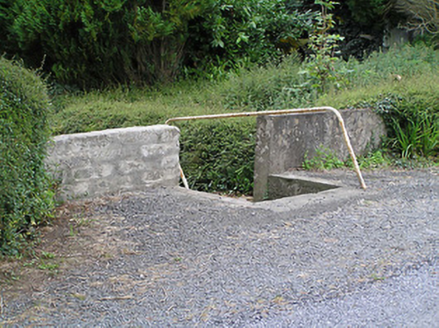
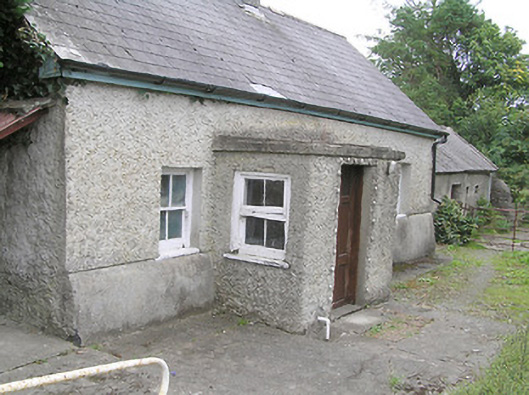
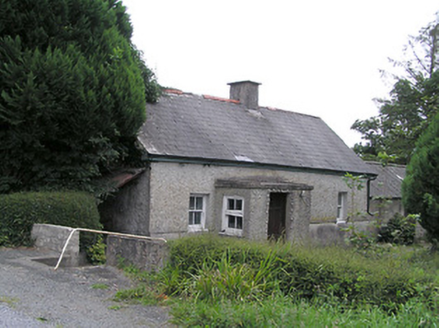
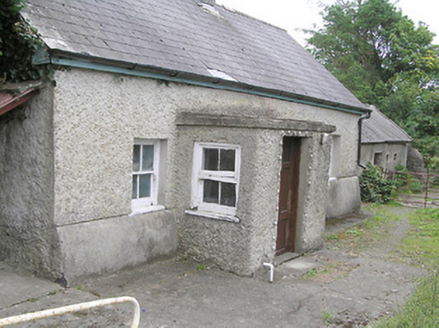
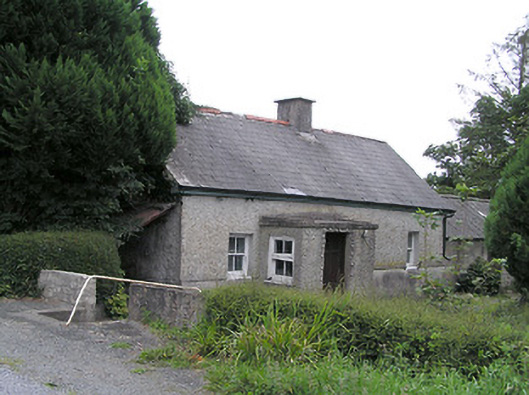
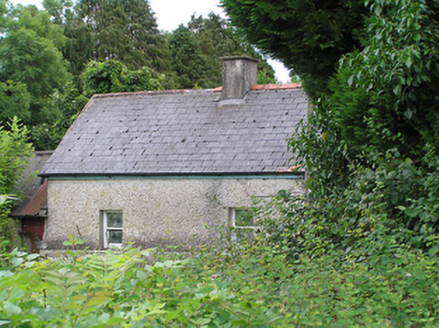
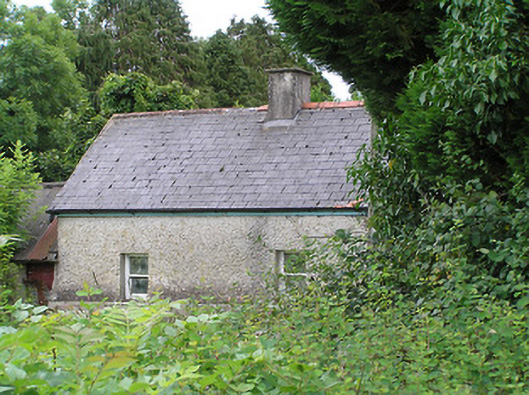
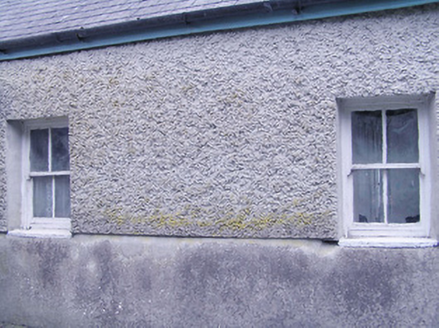
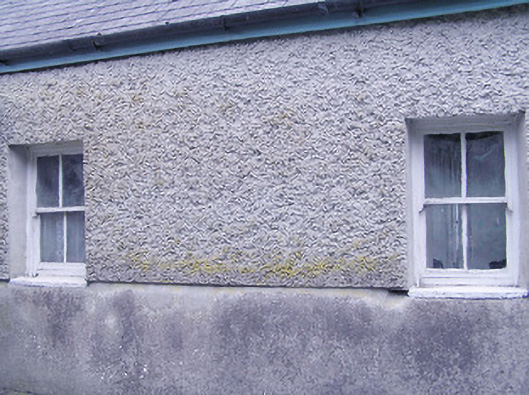
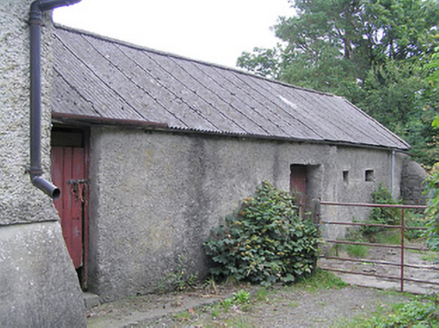
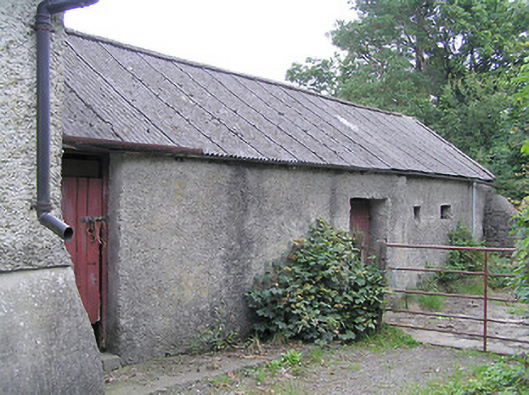
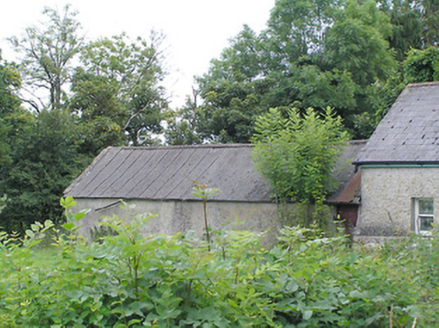
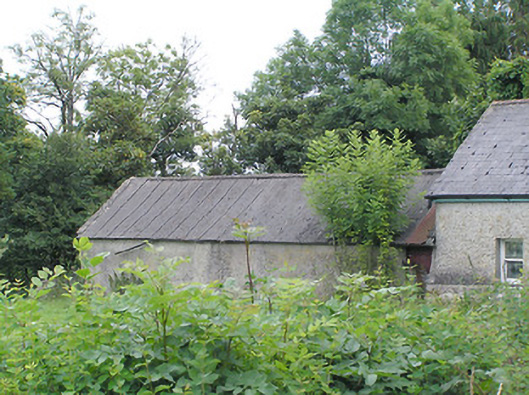
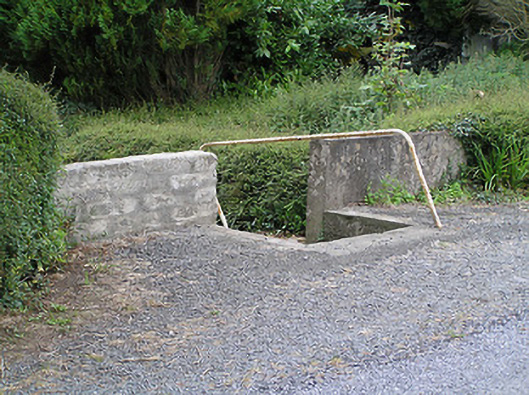
Detached single-storey four-bay house, built c. 1800, having single-bay flat-roofed entrance porch to the front elevation (southeast) and a single-storey outbuilding attached to the northeast gable end. Pitched artificial slate roof with central rendered chimneystack. Roughcast rendered walls with pronounced base batter having smooth rendered finish. Square-headed window openings with two-over-two pane timber sliding sash windows. Square-headed door opening to front face of porch (southeast) with replacement timber panelled door. Four-bay single-storey outbuilding abutting northeast gable with pitched corrugated-metal and corrugated-asbestos roof, wetdashed rendered walls, and square-headed openings with timber fittings. Set in own grounds and aligned at a right-angle to the road-alignment. House set at a lower level than road surface. Cement rendered boundary wall to road-frontage (west). House site accessed by flight of steps from road surface. Located to the east of Edgeworthstown, close to the border with County Westmeath.
Appraisal
This simple vernacular house retains much of its early character and form. Although altered, it also retains much of its early fabric including timber sliding sash windows. The pronounced base batter is of interest and suggests that this small-scale structure may be partially mud-walled and/or with stone footings, and that it may be of considerable antiquity. This building is aligned at a right-angle to the road alignment, which is a characteristic feature of the Irish vernacular tradition. The long low profile of this structure, and the sheltered site are also both typical of many buildings of its type in rural Ireland. The form of this building hints that it may have been formerly thatched. Buildings of this type were once a very common feature of the rural Irish landscape but are now becoming increasingly rare, making this an interesting survival. This simple structure is a modest edition to the built heritage of the local area, adding interest to its pleasant rural location.