Survey Data
Reg No
13401924
Rating
Regional
Categories of Special Interest
Architectural, Artistic
Original Use
House
Date
1840 - 1880
Coordinates
224092, 265975
Date Recorded
18/07/2005
Date Updated
--/--/--
Description
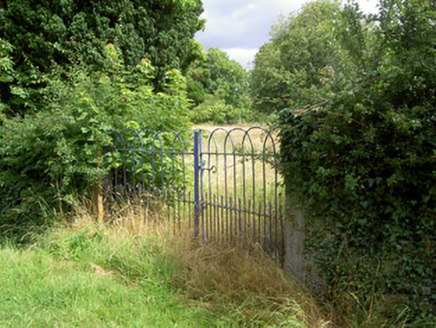
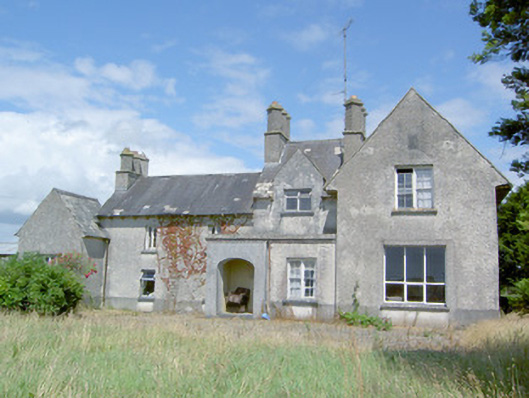
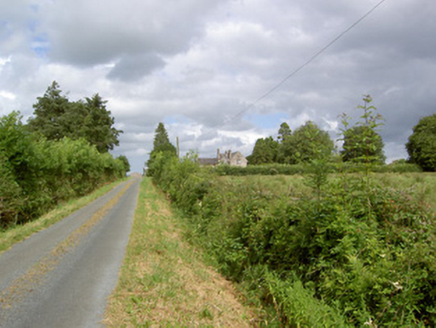
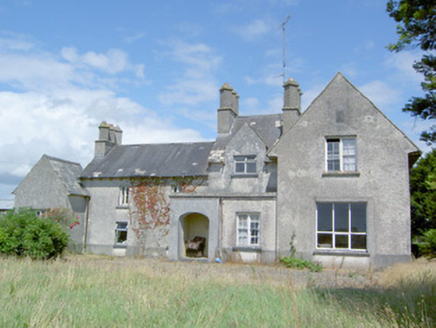
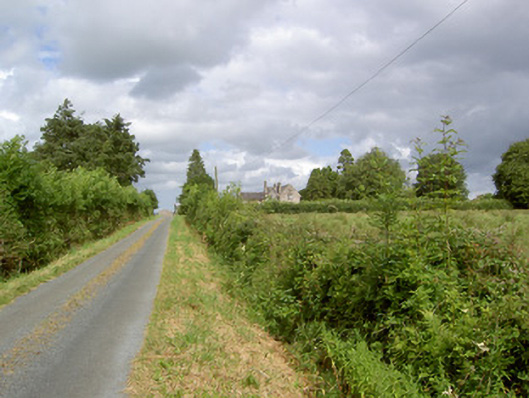
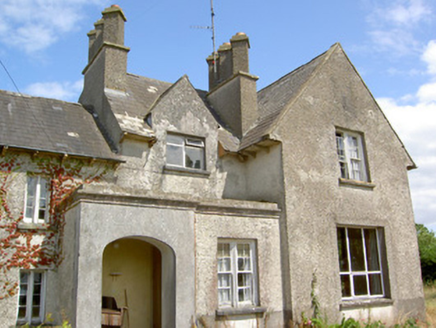
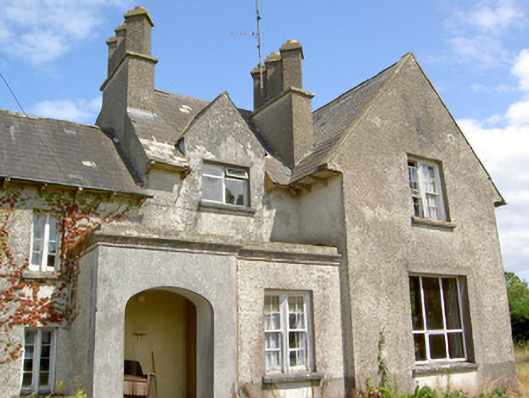
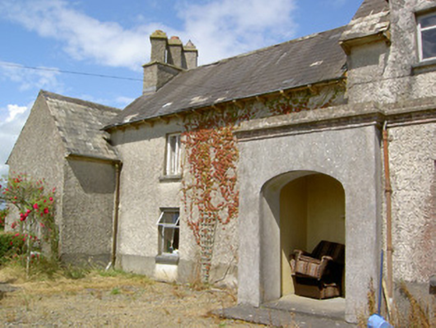
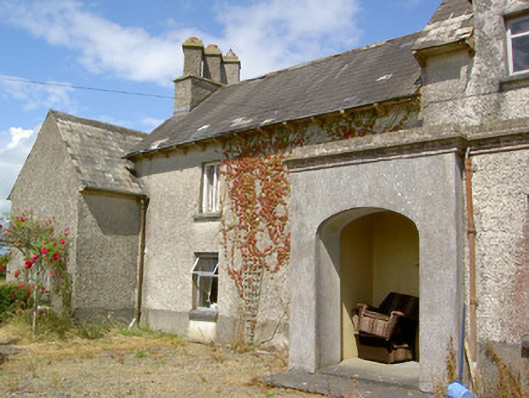
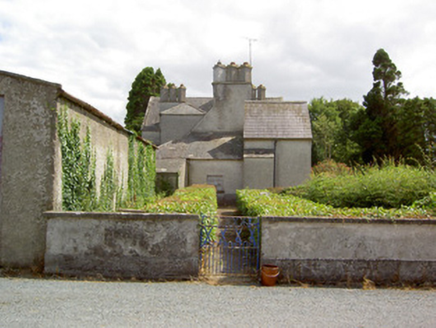
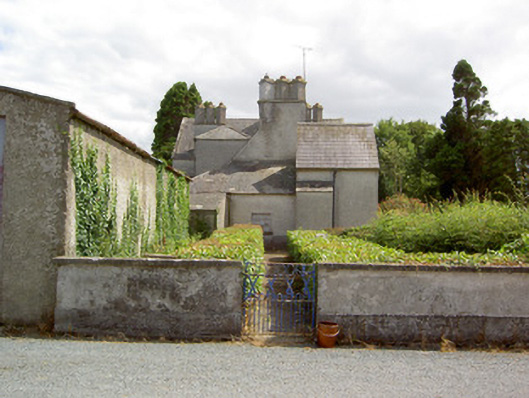
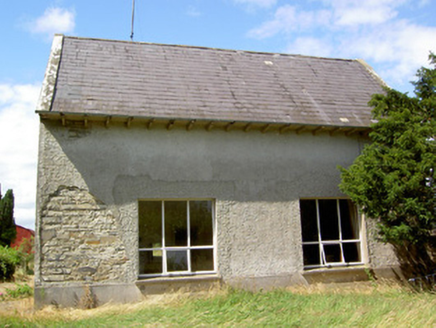
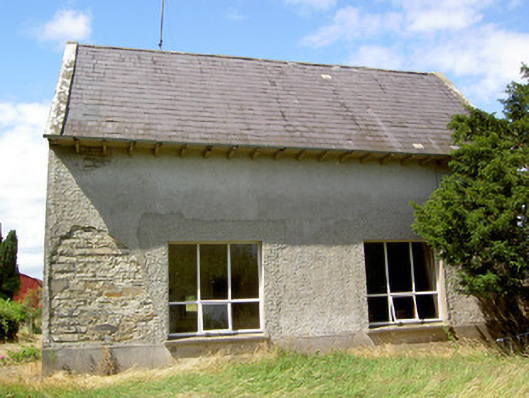
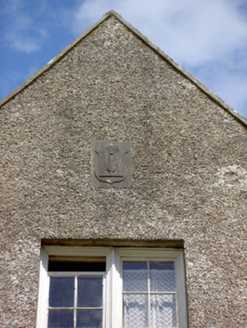
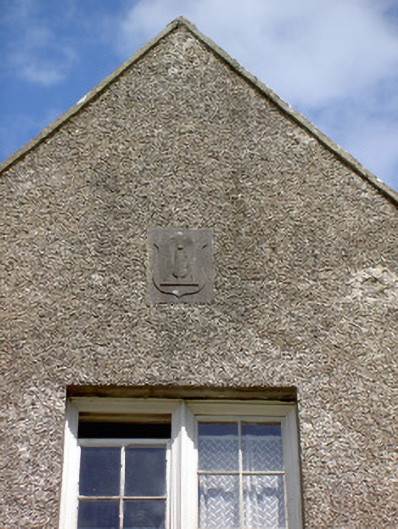
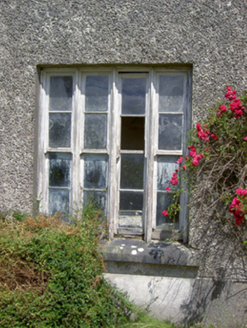
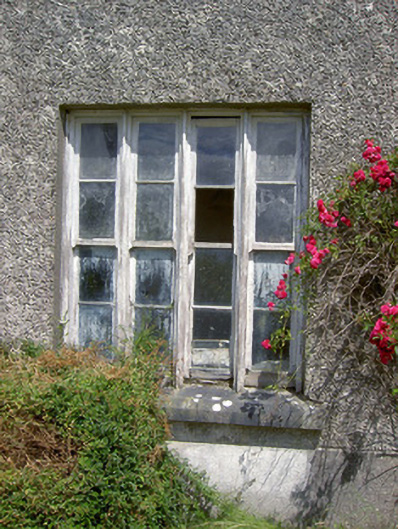
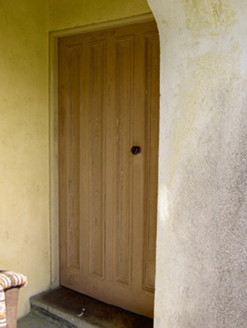
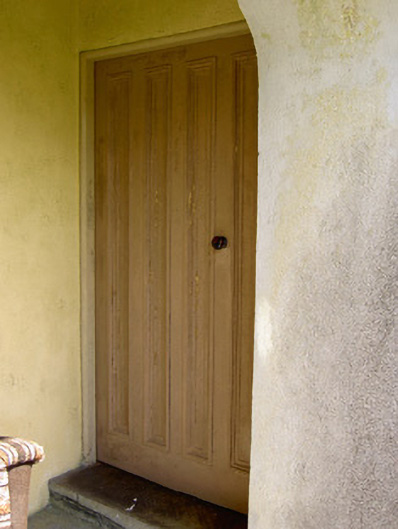
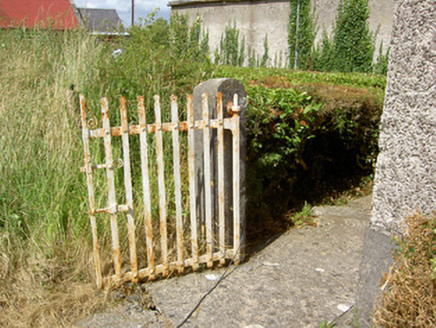
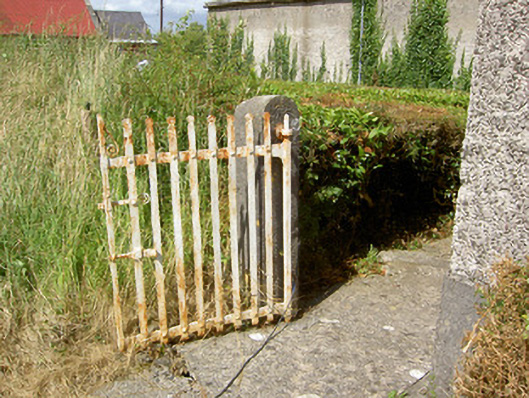
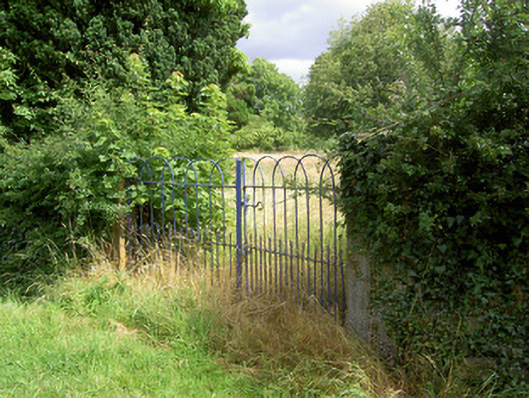
Detached Tudor Revival style multiple-bay single- and two-storey former house on complex irregular-plan, built c. 1850, having projecting gable-fronted two-storey bay to the southeast end, single-bay single-storey section with attic storey section adjacent to northwest having gabled half dormer opening at attic level, two-bay two-storey block to northwest and projecting gable-fronted single-storey block to the northwest end. Two-bay flat-roofed section adjacent to northeast side of projecting two-storey gable-fronted block to southeast end (at re-entrant corner) having slightly projecting single-bay porch to northeast end with doorway in recessed segmental-headed opening. Single- and two-storey blocks to rear (northeast). Possibly incorporating fabric of earlier house(s) to site dating to c. 1700. Now disused. Pitched natural slate roofs with clustered diagonally-set pebbledashed chimneystacks, and some remaining sections of cast-iron rainwater goods. Overhanging eaves to a number of sections (including central two-storey block to front elevation and to the southeast elevation of projecting block to the southeast end of front elevation) supported on timber brackets. Raised rendered verge to projecting two-storey bay to the southeast end of front elevation. Hipped slate roof to single-bay two-storey block to rear. Moulded rendered cornice to flat-roofed sections. Pebbledashed walls over smooth rendered plinth course; smooth cement rendered finish to projecting porch. Carved limestone plaque, possibly a coat-of-arms, to gable apex of projecting gable-fronted block to southeast end. Square-headed window openings with chamfered tooled limestone sills, and having various paired four-over-four pane timber sliding sash windows, paired vertically-orientated two-over-two pane timber sliding sash, two-over-two pane timber sliding sash windows, and with some replacement timber casement and other modern window. Four-light two-over-two pane timber sliding sash window to projecting block to the northwest end of front elevation. Segmental-headed arch to porch with recessed square-headed door opening having timber panelled door with inset panels. Set well back from road in mature grounds to the southeast of Ardagh and to the northwest of Legan. Main entrance gates (13401923) to the southwest, at start of long straight approach avenue to house. Carved limestone gate post with wrought-iron flat bar pedestrian gate to northwest of house. Carved limestone gate piers with double leaf hooped wrought-iron gates to southwest of site. Mill building of corrugated-metal construction having machinery to interior.
Appraisal
This interesting and complex house, of mid-to-late nineteenth century appearance, retains much of its early character and form despite some modern alterations. The complex irregular plan with a variety of projecting sections and bays, the stepped roofline with diagonally-set chimneystacks and the range of window openings, gives this building a subdued Tudor Revival style. It retains much of its early fabric including a variety of timber sliding sash and timber casement windows, natural slate roofs and an early timber door. The recent loss of some of the early window fittings detracts slightly from its appearance and architectural authenticity. The stepped roofline and clustered diagonally-set chimneystacks creates a varied and visually interesting silhouette in the rural landscape. This building is built on the site of a number of earlier buildings (Ordnance Survey first edition six-inch map 1838) and may contain fabric from these earlier structures (the gable-fronted block to the southeast end is on the same footprint as a building depicted on this map). The carved stone coat-of-arms to the gable apex of the block to the southeast is an interesting feature of some artistic merit, and may be the crest of the family that built or rebuilt this house. The simple but attractive wrought-iron gates to the southwest of the site define a now disused entrance, which curved in from the impressive and striking long straight driveway that approaches the house from the main entrance gates (13401923) further to the southwest. The lands (‘held by deed forever’) around this house apparently belonged to the Fox family of nearby Foxhall (now demolished) c. 1835 (O’Donovan Letters). Lewis (1837) records that ‘Slyan is the seat of J. Black, Esq’ and the site may have historical connections with the Black family, who lived at Slynan, Slyan or Slynane (various names given) near Legan during the eighteenth century. It was later the home of a John Fleming, Esq. in 1846 (Slater’s Directory). This building is an integral element of the built heritage of the local area.