Survey Data
Reg No
13401905
Rating
Regional
Categories of Special Interest
Architectural
Original Use
House
Date
1780 - 1820
Coordinates
220286, 269626
Date Recorded
21/07/2005
Date Updated
--/--/--
Description
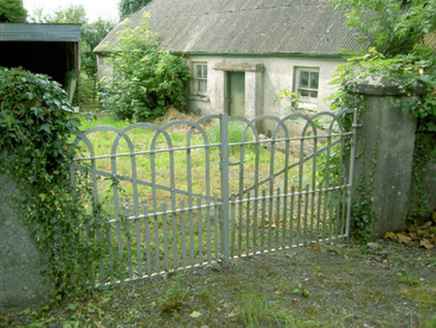
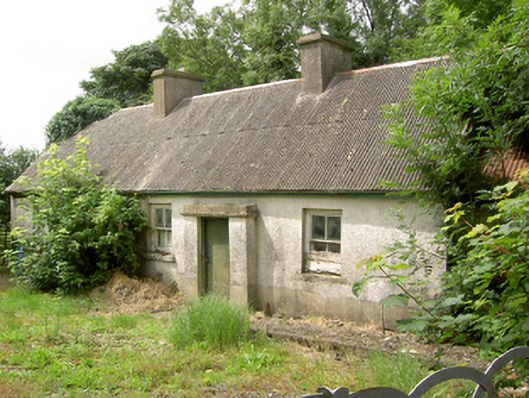
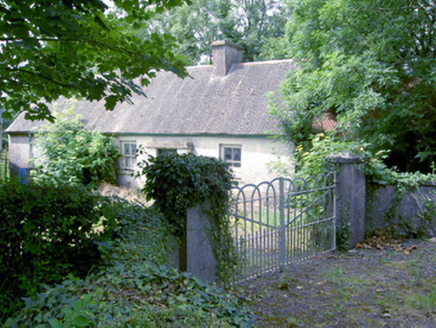
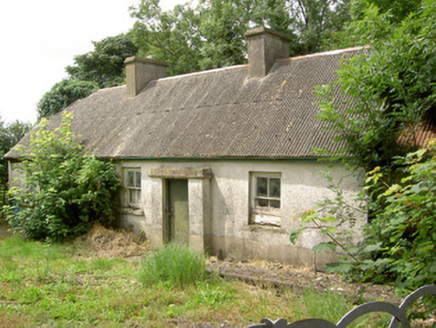
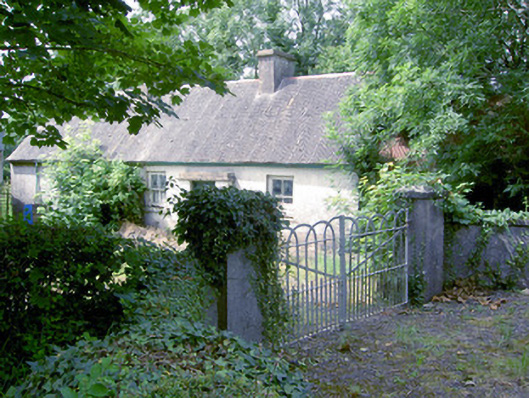
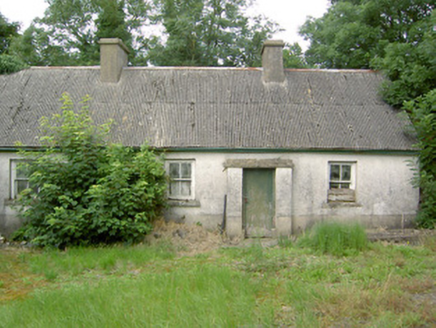
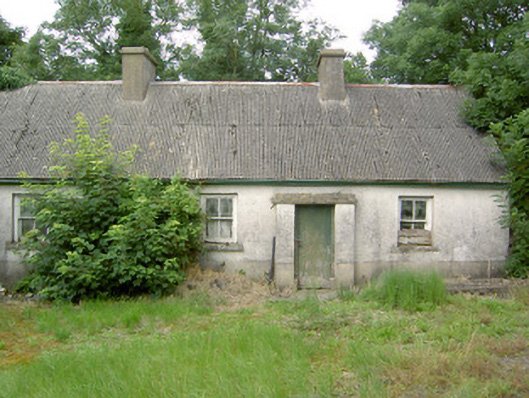
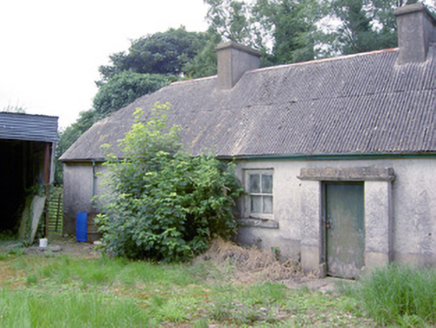
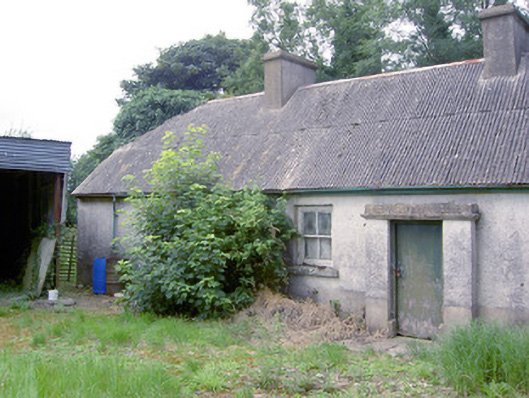
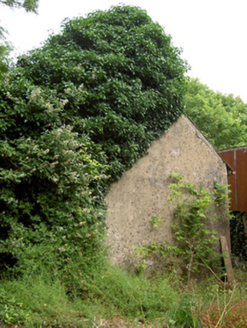
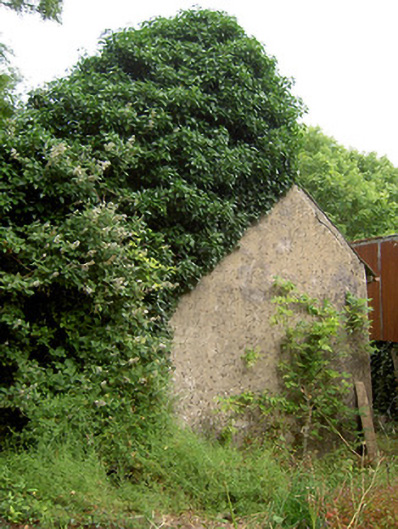
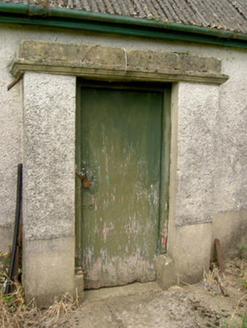
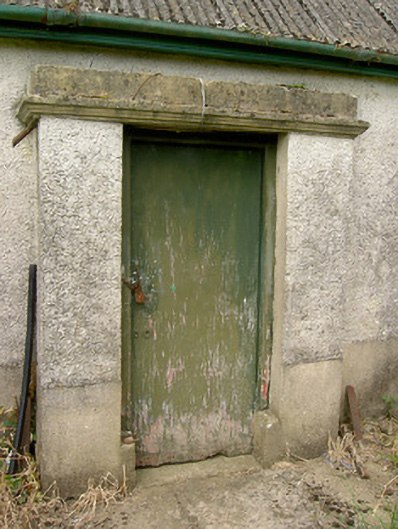
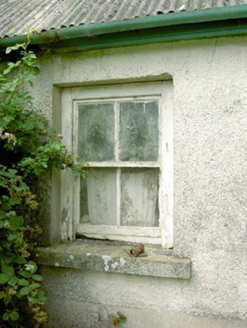
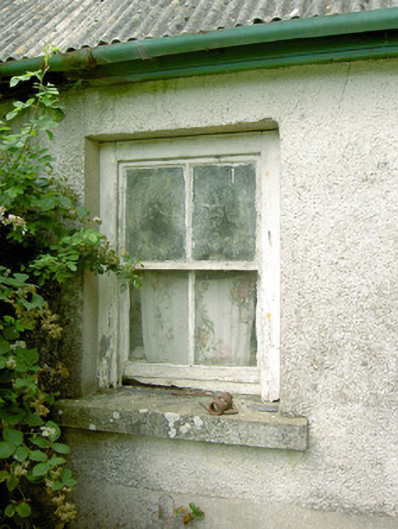
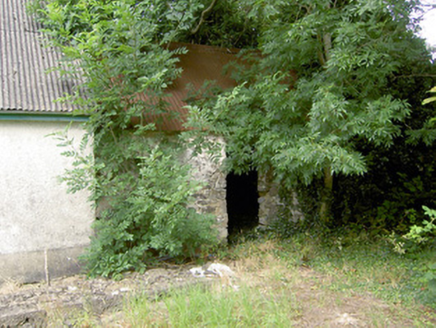
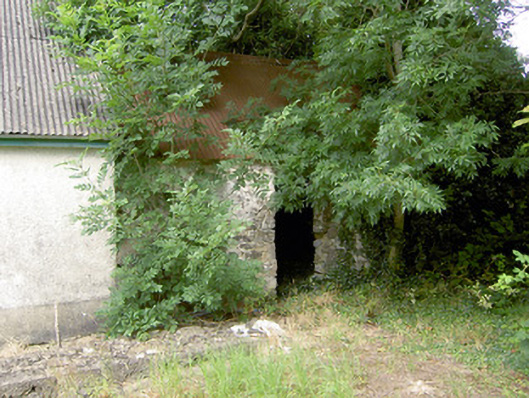
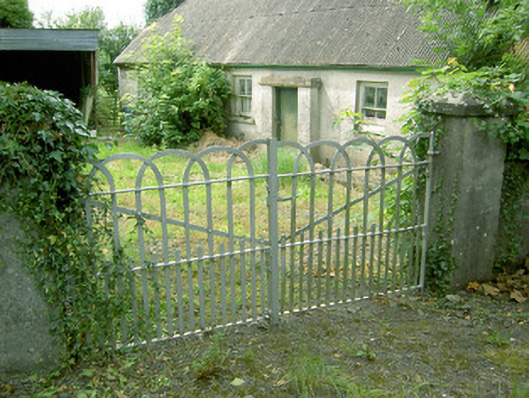
Detached four-bay single-storey vernacular house, built c. 1800, having windbreak to front elevation (south) and single-bay single-storey shed/outbuilding attached to the east gable end. Now disused. Pitched corrugated-asbestos roof with two rendered chimneystacks and cast-iron rainwater goods. Flat-roof to windbreak with rendered coping and cornice. Roughcast rendered walls over smooth rendered plinth course. Square-headed window openings with concrete sills and two-over-two pane timber sliding sash windows. Square-headed door opening to windbreak porch having replacement sheet plywood door. Attached outbuilding to east elevation having random rubble limestone walls and corrugated-metal roof. Set in own grounds and aligned at a right-angle to road alignment. Gateway to the east comprising a pair of rendered gate piers (on square-plan) and a pair of hooped wrought-iron flat bar gates. Located in the rural landscape a short distance to the north of Ardagh.
Appraisal
Despite being currently out of use, this simple vernacular house retains much of its character and form. It is traditionally aligned to face south, at a right-angle to the road alignment, in order to take advantage of the natural heat of the sun. This building also retains much of its early fabric including timber sliding sash windows. The steeply pitched corrugated-asbestos roof suggests that this building was formerly thatched, asbestos being a common replacement for thatch during the mid-twentieth century. The position of one of the chimneystacks, roughly in line with the main entrance, hints that this building may have the lobby-entry plan that is a characteristic feature of the vernacular architecture of the midlands. Buildings of this type and form were, until recently, a ubiquitous feature of the rural Irish landscape but are now becoming increasingly rare. The simple but attractive wrought-iron gates add a decorative element and are modest examples of the skill of late nineteenth/early twentieth-century ironmongery. This building is an addition to the built heritage of the local area, and is an attractive feature in the rural landscape to the north of Ardagh. Sensitively restored, this would be an important element of the vernacular and social heritage of County Longford.