Survey Data
Reg No
13401810
Rating
Regional
Categories of Special Interest
Architectural, Social, Technical
Original Use
Mill (water)
Date
1780 - 1860
Coordinates
206809, 269290
Date Recorded
30/08/2005
Date Updated
--/--/--
Description
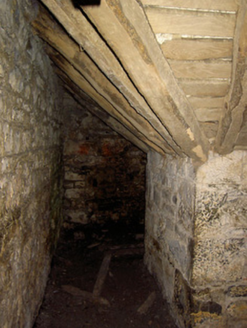
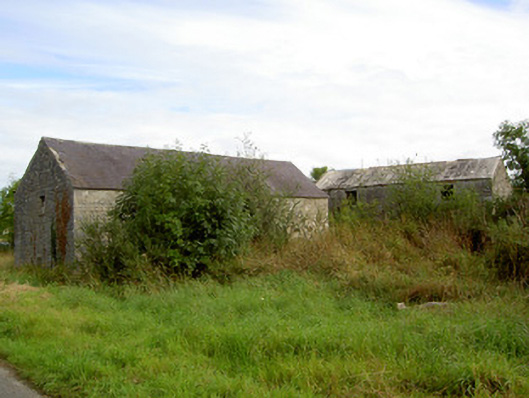
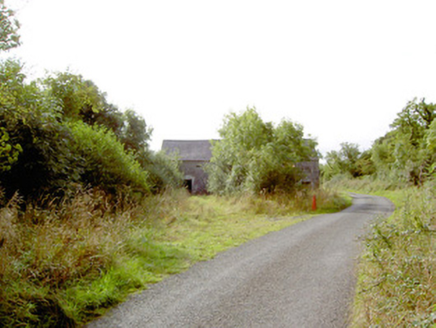
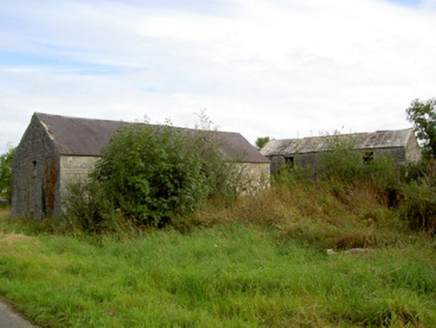
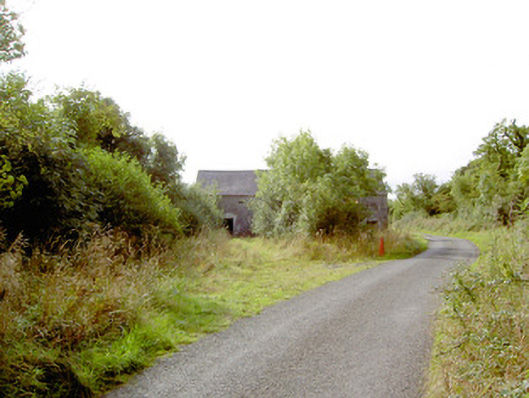
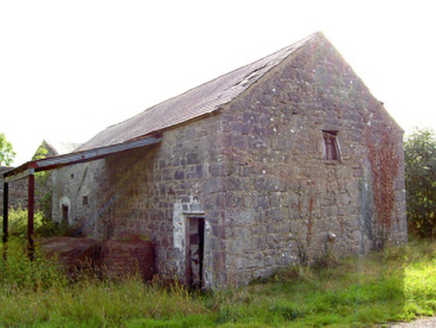
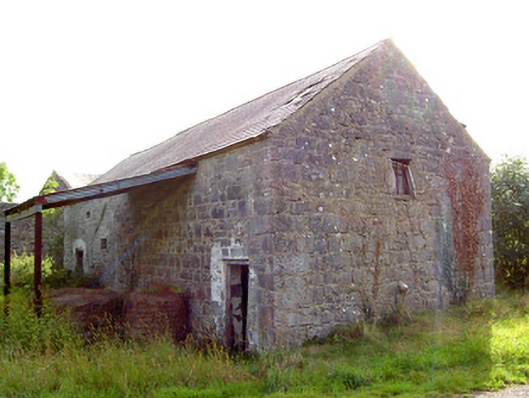
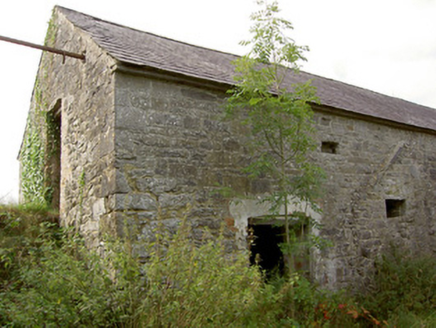
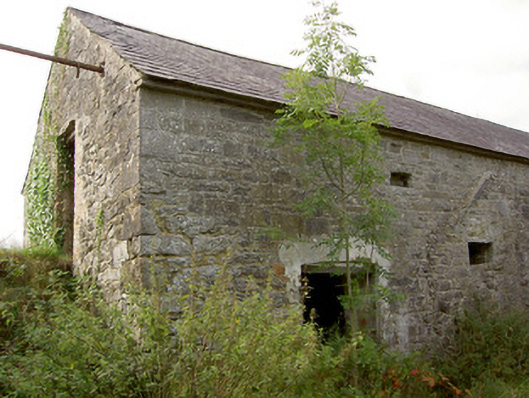
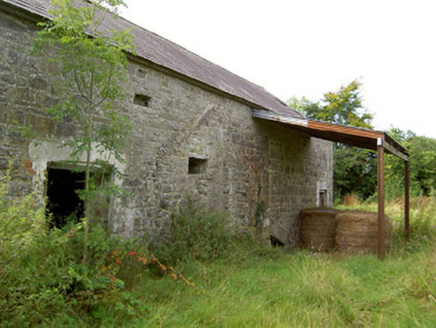
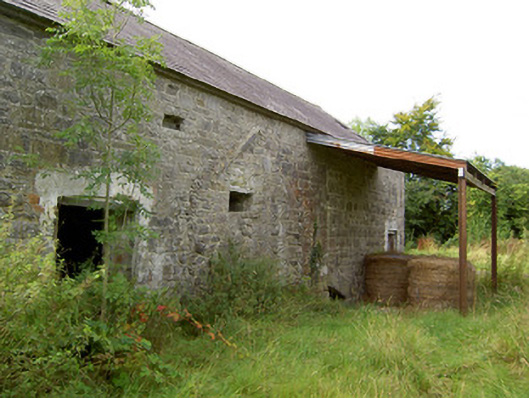
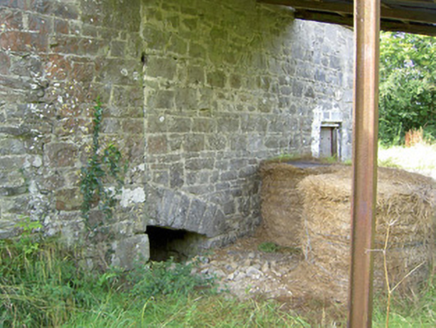
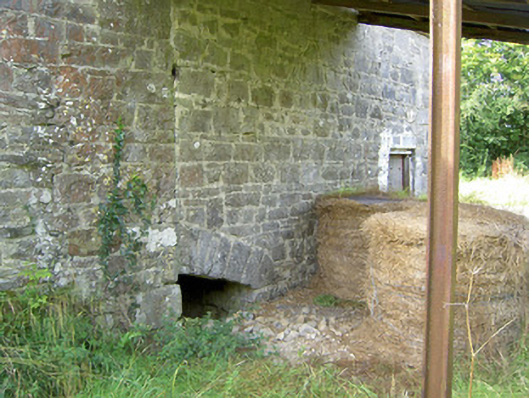
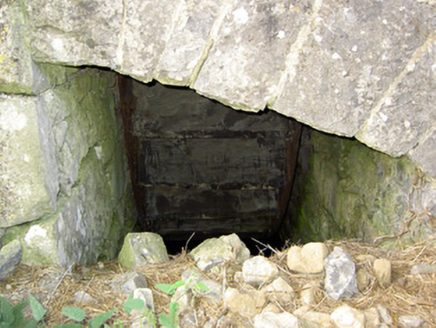
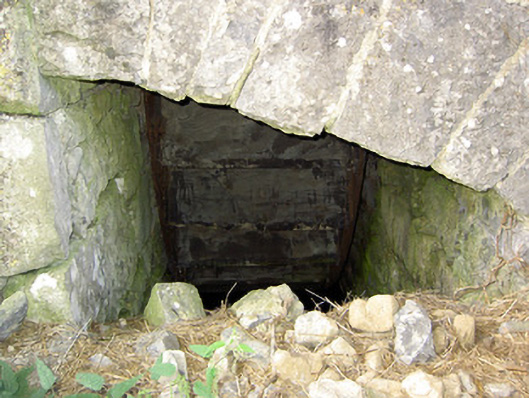
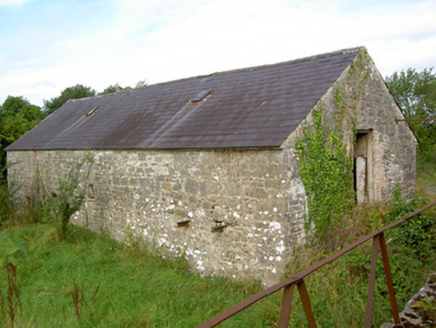
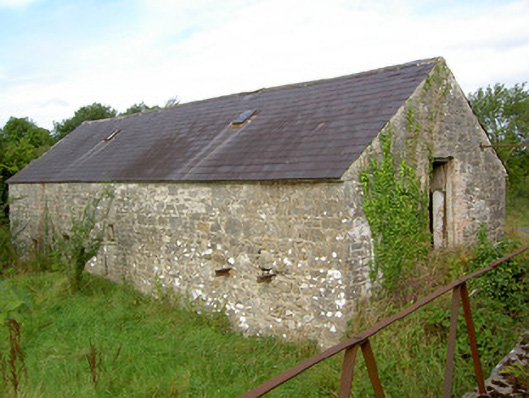
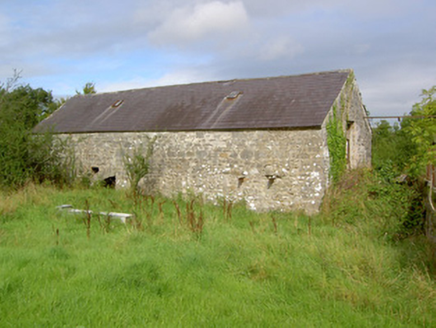
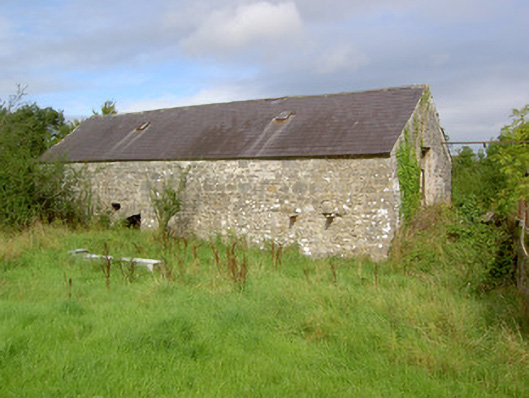
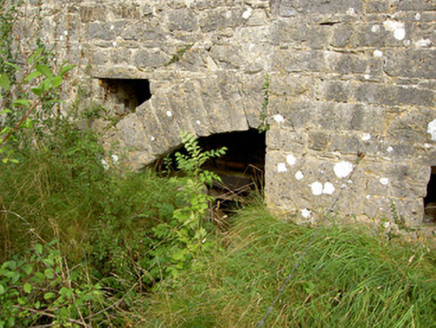
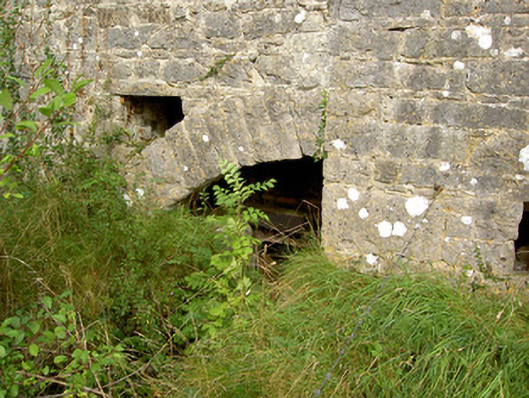
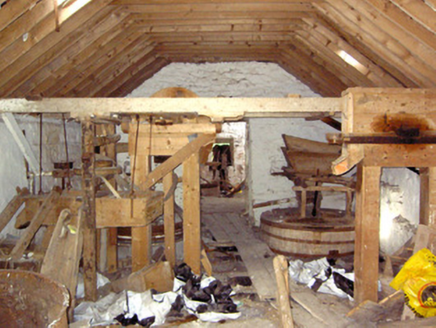
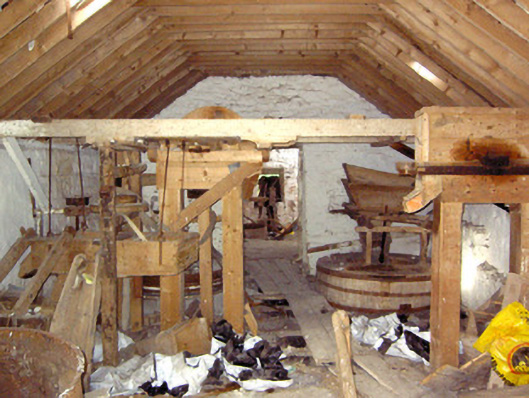
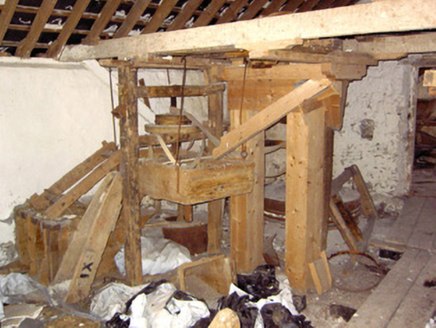
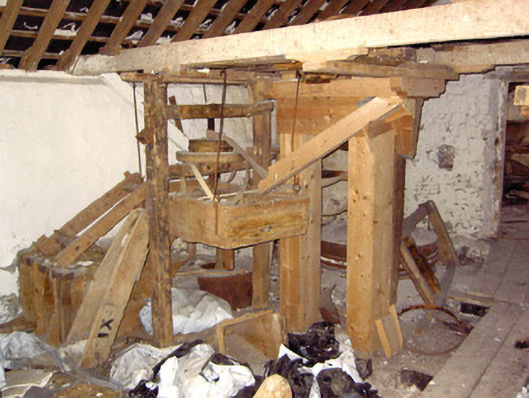
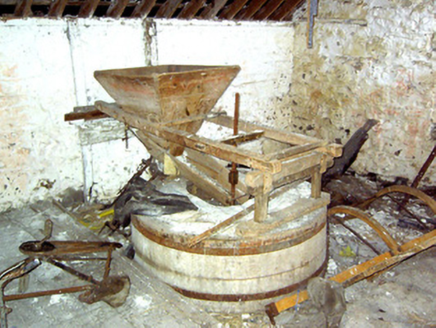
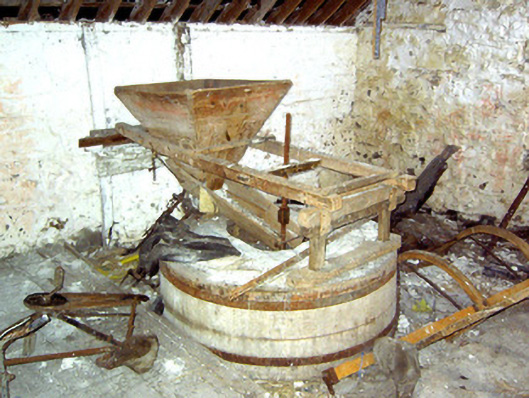
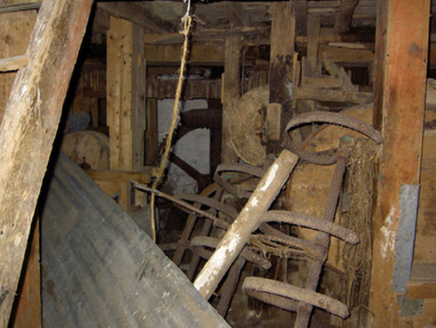
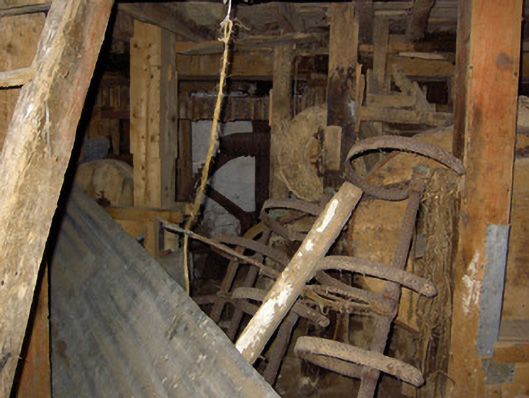
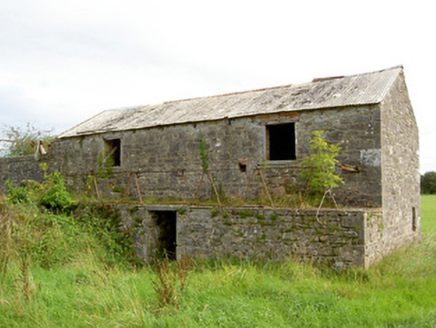
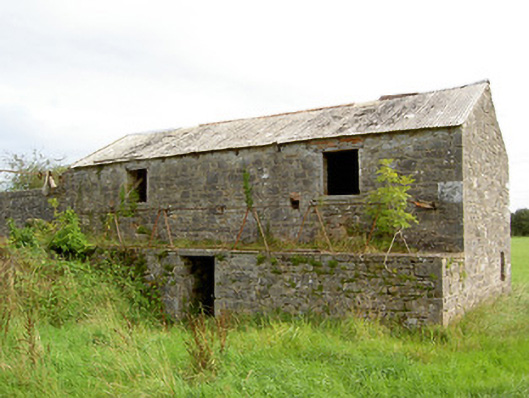
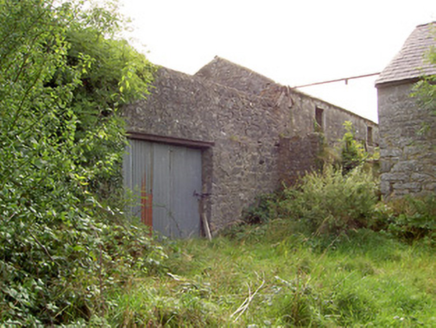
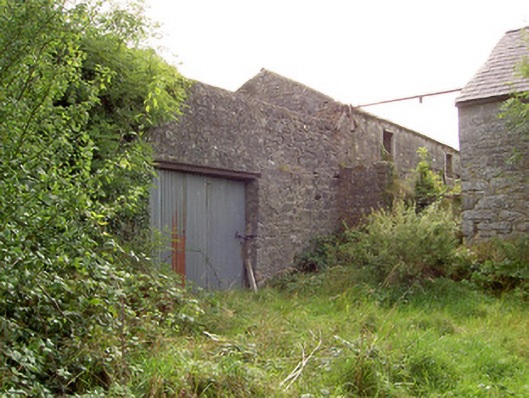
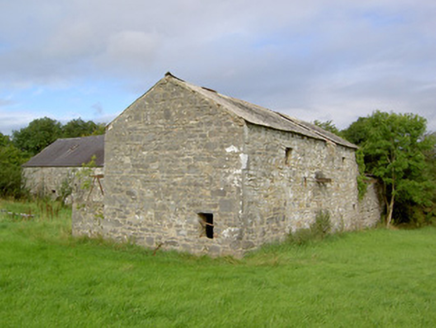
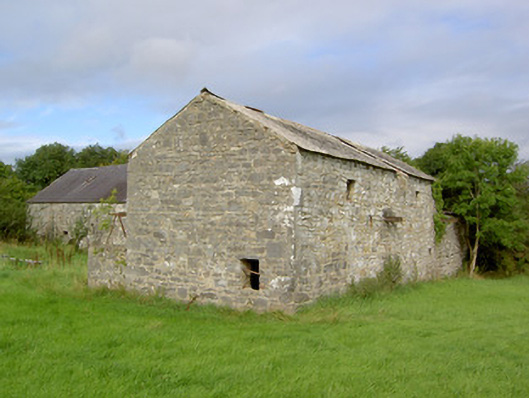
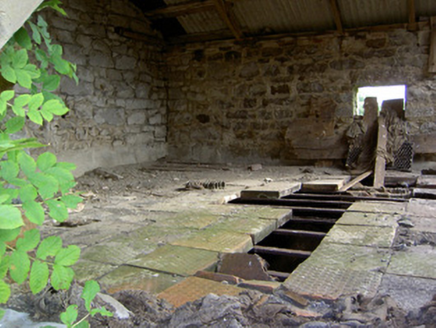
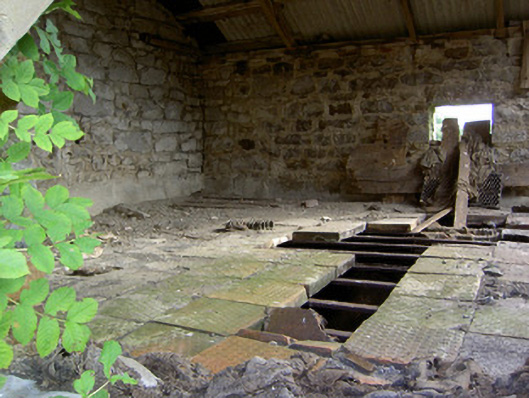
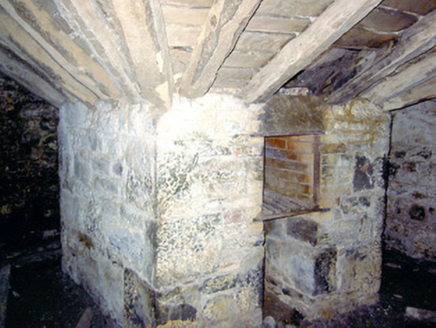
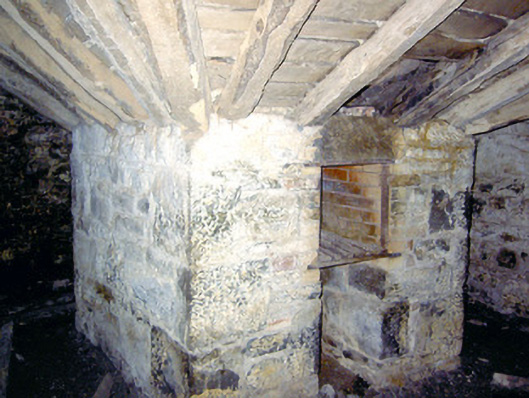
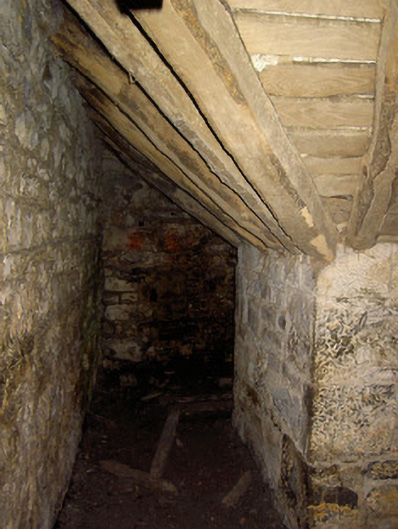
Detached two-storey former corn mill complex , built c. 1800 and extended c. 1860, comprising a multiple-bay two-storey former corn mill, c. 1800, to the west and a two-storey former corn drying kiln to the east, built c. 1860. Now out of use. Internal undershot iron water wheel to centre of former corn building having timber louvers; set in semi-circular opening having roughly dressed stone voussoirs to arch. Projecting canopied projection to the south having lean-to corrugated-metal roof supported on wrought-iron I-beams. Pitched natural slate roof with iron rooflights, and with roughly coursed rubble limestone construction to former corn mill. Iron rooflights. Square-headed window and door openings having remains of timber windows and timber battened doors. Wrought-iron security bars to a number of window openings. Timber machinery with iron fittings for driving three sets of mill stones and sifting machinery survives to the interior. Detached multiple-bay two-storey corn drying kiln to northeast of corn mill, built c. 1860, having projecting single-storey section to west elevation with walkway over having wrought-iron railings. Upper storey of kiln connected to upper storey of former mill via a concrete footbridge, c. 1940. Single-storey outbuilding attached to north end of corn drying kiln. Pitched corrugated-asbestos roof. Roughly coursed rubble limestone walls. Square-headed window openings and square-headed door openings with remains of timber fittings. Clay drying tiles surviving to upper storey floor, with timber and limestone constructed heating apparatus to ground floor. Located on roadside, with former millrace running parallel to road (running south to north). Former mill pond to the south of mill, now silted-up. Located to the southwest of Killashee.
Appraisal
This important small-scale corn mill complex retains its early form, character and fabric despite being out of use since the mid-twentieth century. The small-scale of this complex indicates that it was a vernacular corn mill, rather than a large-scale merchant corn mill as is found at Shrule and Clynan, for example. The corn mill provided a basic service to local farmers in grinding and milling their corn (and possibly oats), and was also an important source of employment for the local community. This complex probably dates to the late-eighteenth or the early-nineteenth century, a period that saw a great boom in the Irish corn milling industry. Of particular significance is the rare survival of much of the early machinery and equipment to the interior of both the corn mill and to the associated corn drying kiln to the northeast. This complex contains machinery for driving three sets of mill stones and a drying kiln where the corn was laid onto clay tiles, above a heating apparatus, and dried out. The internal undershot water wheel also survives in remarkable condition, and this formerly ran a spur drive in addition to the main drive to power the internal machinery. The survival of the original fittings provides an interesting historical insight into early technical and industrial processes, and represents one of the most important survivals of its type in the midlands. The corn mill building was extended (evidence in stonework) to the west at some stage (probably during the mid-to-late nineteenth century) with the water wheel formerly set against the exterior to the west gable end of the structure. The corn kiln to the northeast was probably added during the second half of the nineteenth century (map information), and replaced a number of small corn drying kilns to the south of the corn mill (Ordnance Survey first edition six-inch map 1838). There was formerly a mill pond to the south, now silted-up. This mill was in the ownership of Edward T(r)elford c. 1854 (Griffith’s Valuation). The complex consisted of a ‘house, offices, corn mill and land (including a turf bog)’ at this time, and had a ratable value of £44. It was in the ownership of an Edward Telford, miller, in 1894 (Slater's Directory), and probably later in the ownership of the Lynam family, as the mill is known locally as ‘Lynam’s Mill’. The last miller was a Mike Mangan of Clonsilla, Killashee, and the mill closed in the early 1950s after his death. The remaining structures on this site, and particularly the survival of a large amount of the early machinery, represent an important part of the social, technical and architectural heritage of the Killashee area.