Survey Data
Reg No
13401603
Rating
Regional
Categories of Special Interest
Architectural
Original Use
Farmyard complex
In Use As
Farmyard complex
Date
1800 - 1880
Coordinates
235248, 276367
Date Recorded
11/08/2005
Date Updated
--/--/--
Description
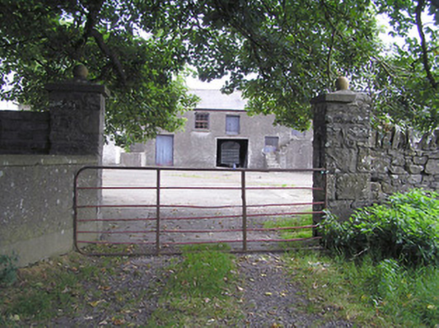
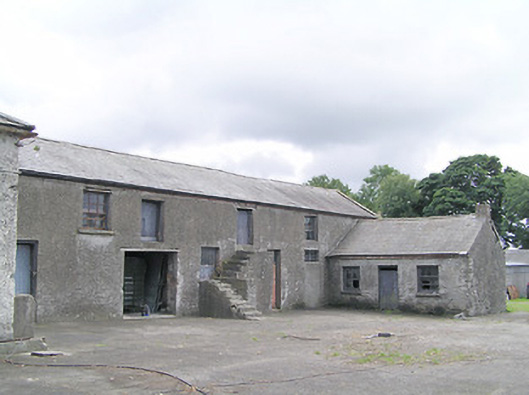
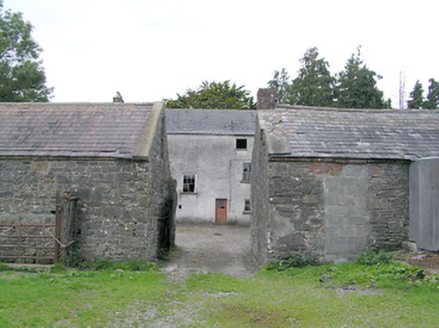
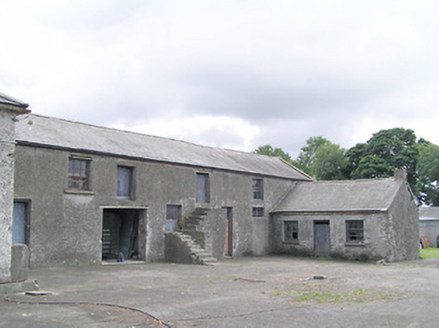
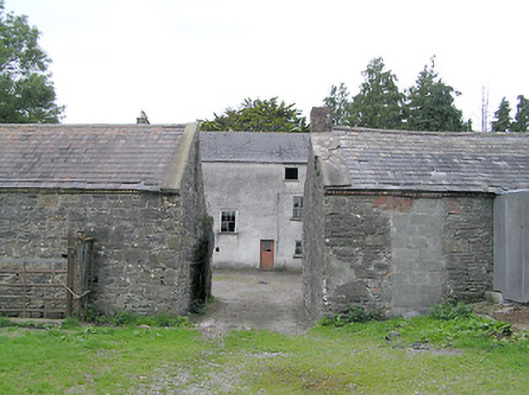
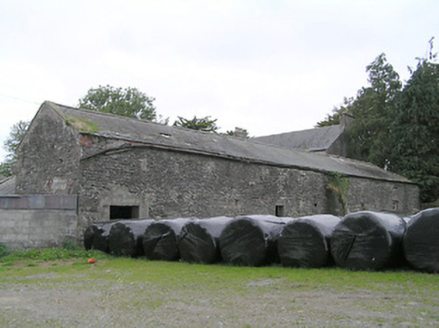
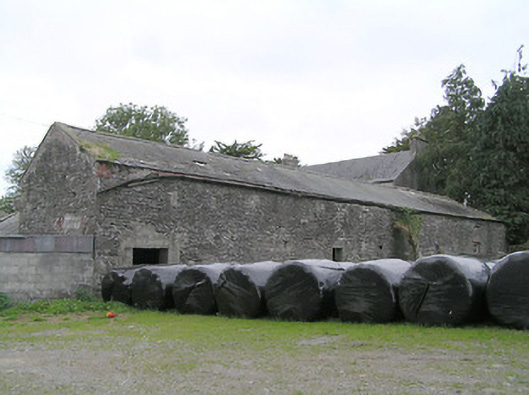
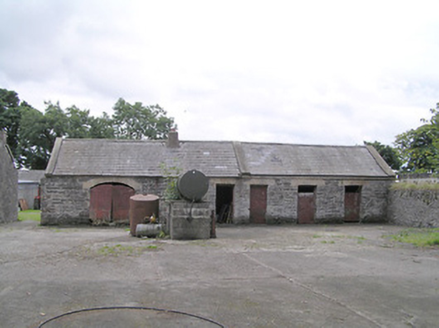
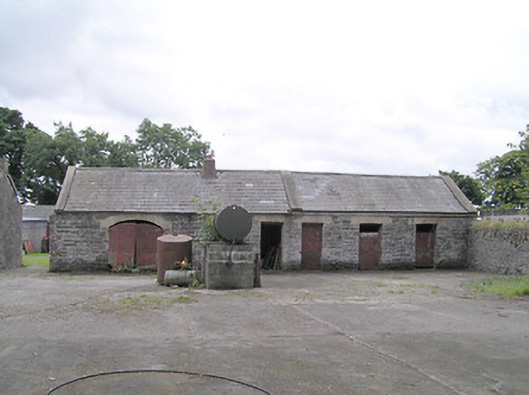
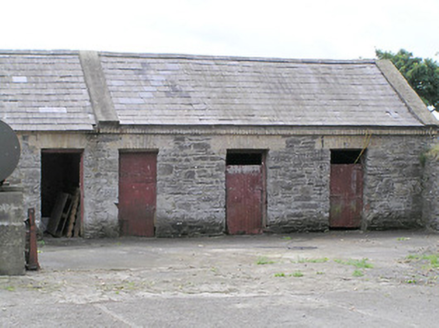
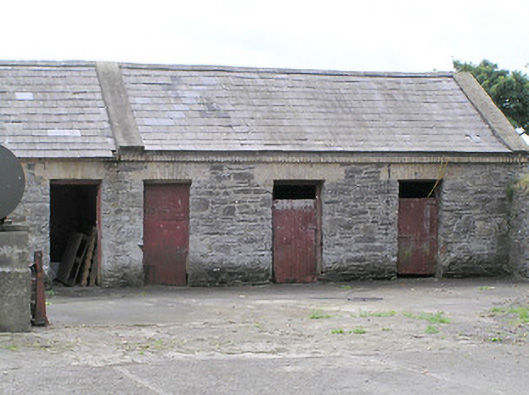
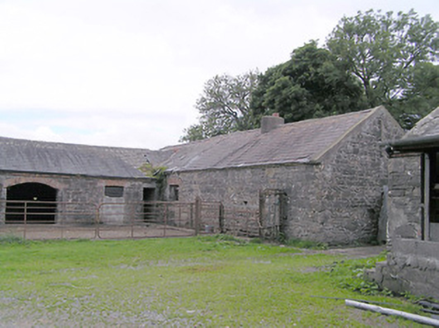
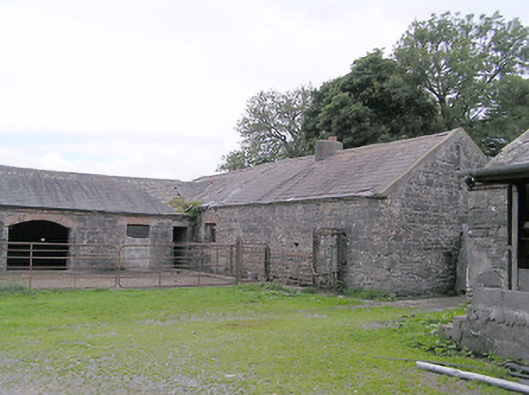
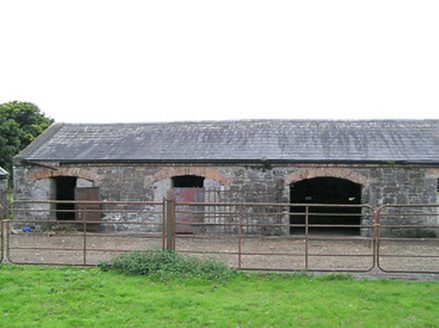
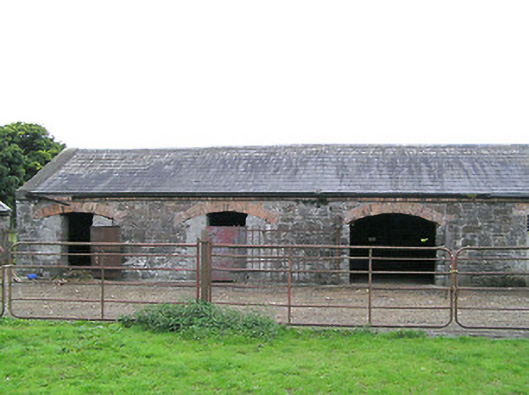
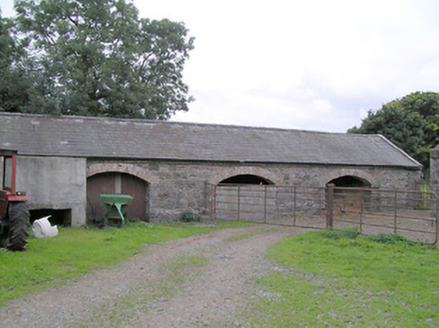
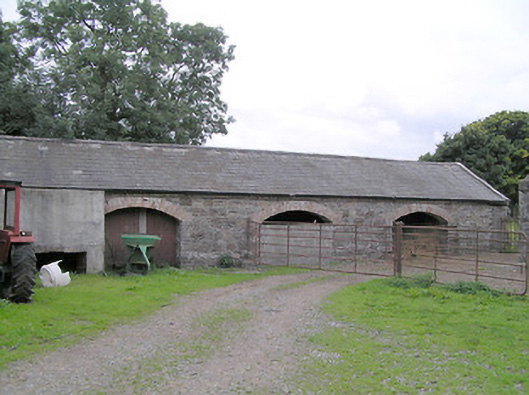
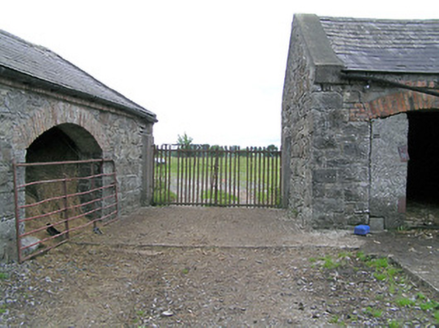
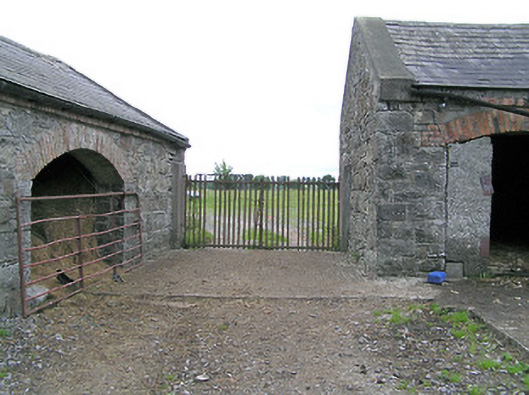
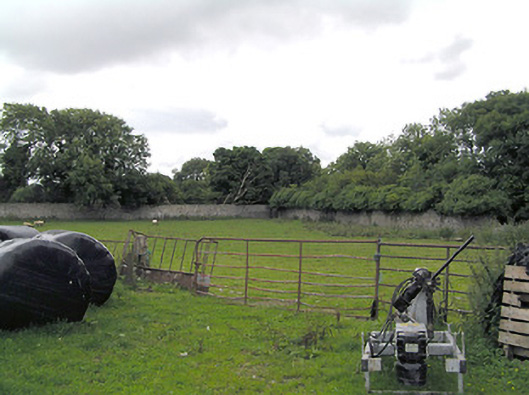
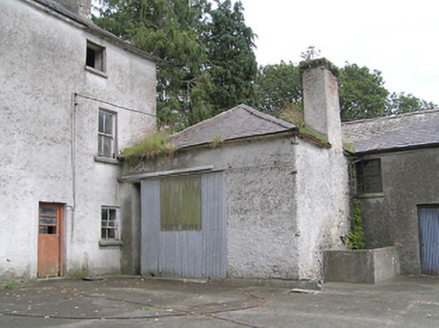
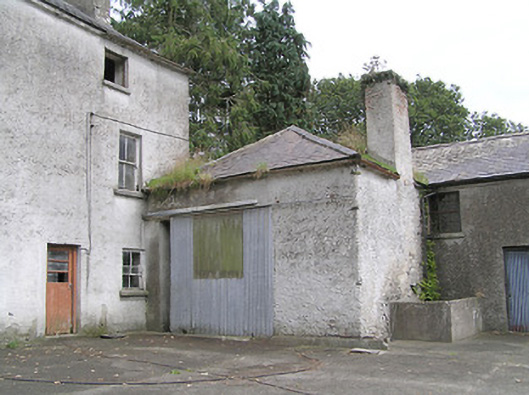
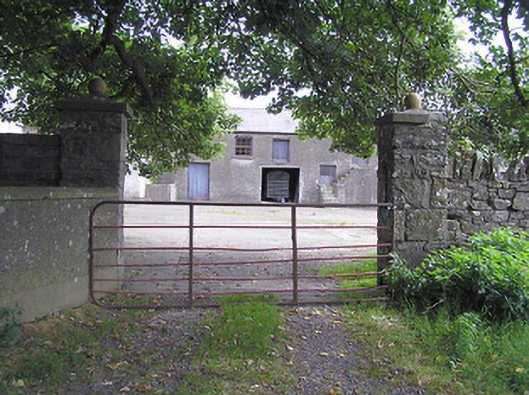
Complex of single- and two-storey outbuildings associated with Killasona House (13401602), built c. 1820 and c. 1860,and altered c. 1930, arranged around two yards to the rear (south) of main house. Multiple-bay two-storey outbuilding to the east side of complex (built c. 1820 and altered c. 1930) to north having pitched (south end) and hipped (north end) natural slate roof with rendered verges to gable ends, roughcast rendered rubble stone walls (exposed to east and south elevations) and square-headed openings with timber sliding sash windows and battened timber doors. External concrete staircase to centre of front elevation (west) having access to first floor level. Single-bay two-storey block attached to north end of east range having hipped slate roof, tall rendered brick chimneystack, roughcast rendered walls and recent square-headed carriage arch with corrugated-metal sliding door. Three-bay single-storey outbuilding attached to the south end of east range, facing north, having pitched slate roof with brick eaves course and a rendered chimneystack to the west gable end, rendered rubble stone walls, and square-headed openings with timber fittings. Detached five-bay single-storey outbuilding to the southwest corner of north yard having pitched natural slate roof with rendered verges and a rendered chimneystack, cast-iron rainwater goods, coursed squared rubble stone walls, square-headed door openings with brick voussoirs and timber battened doors, and a segmental-headed carriage arch to the east end of the main elevation (north) having brick voussoirs and timber battened double-doors. Rubble stone boundary wall to the east side of yard. Entrance gates to the northwest side of yard comprising a pair of squared and roughly dressed rubble stone gate piers (on square-plan) having modern gate. Attached four-bay single-storey outbuilding, c. 1860, to the west side of yard to south having pitched slate roof with brick eaves course and a raised rendered verge to the south gable end, squared and roughly dressed rubble stone walls, square-headed openings with red brick voussoirs to the north end of main elevation (east), and having three segmental-headed carriage arches to the south end of the main elevation (east) having red brick voussoirs. Attached three-bay single-storey outbuilding, c. 1860, to the south side of south yard having pitched slate roof with brick eaves course and a raised rendered verge to the south gable end, squared and roughly dressed rubble stone walls, and having three segmental-headed carriage arches having red brick voussoirs. One carriage arch retains timber battened double-doors, another now infilled. Wrought-iron flat bar gates to the southwest corner of south yard. Remains of walled garden on sub rectangular-plan to the southeast of complex having rubble limestone boundary walls. Located to the rear of Killasona House, and to the south of Abbeylara.
Appraisal
This complex of utilitarian outbuildings forms part of a group of structures associated with Killasona House (13401602). They retain their early form and character, and much of their early fabric. The simple but well-built forms of these outbuildings is indicative of their utilitarian functional nature. The outbuilding to the east side of the upper yard (north) is the earliest part of the complex, while the other outbuildings were added later, c. 1860 (Ordnance Survey six-inch map sheets 1838 and 1914). These later outbuildings are treated in a similar way, with squared rubble stone construction and red brick trim, which creates a pleasing and coherent, if simple, architectural scheme. The scale of these outbuildings provides an interesting historical insight into the extensive resources required to run and maintain a middle-sized country estate in Ireland during the nineteenth century. The simple rubble stone boundary walls surrounding the former walled garden to the southeast completes the setting and adds to the context.