

Survey Data
Reg No
13401528
Rating
Regional
Categories of Special Interest
Architectural, Technical
Previous Name
Cloonshannagh House
Original Use
Walled garden
Date
1830 - 1860
Coordinates
232129, 274223
Date Recorded
06/03/2009
Date Updated
--/--/--
Description
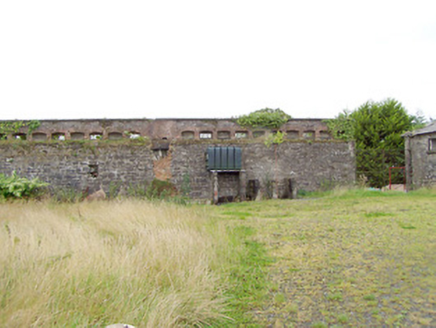
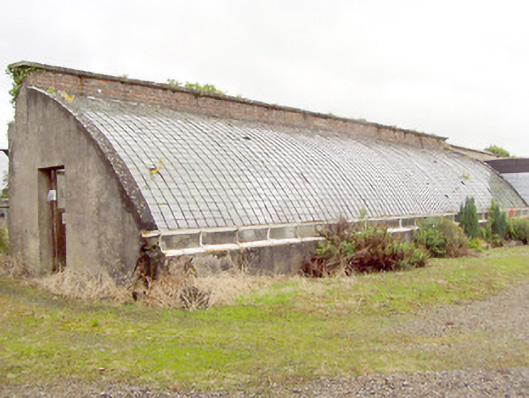
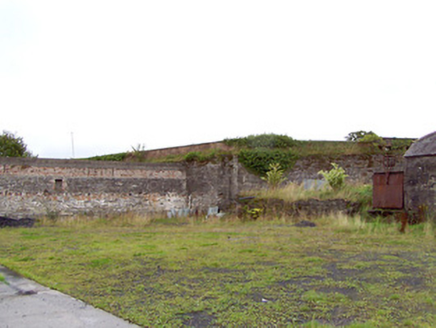
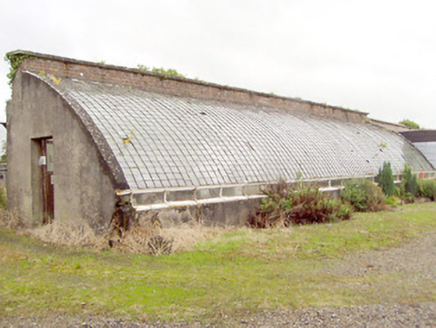
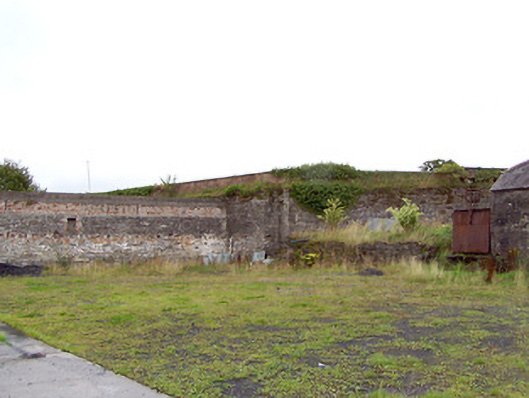
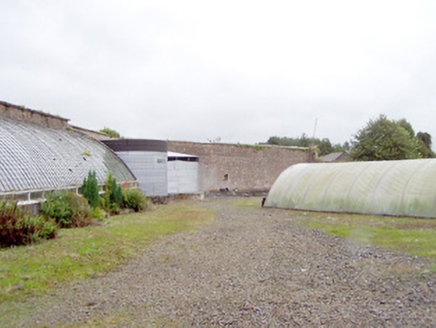
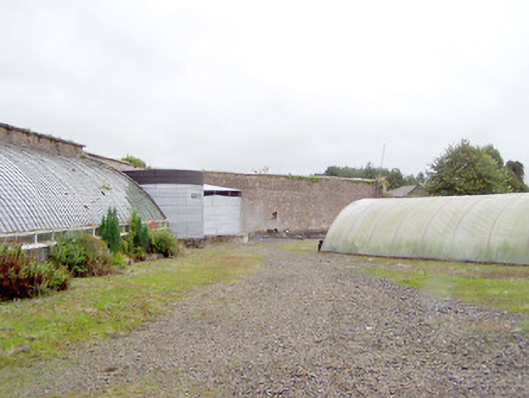
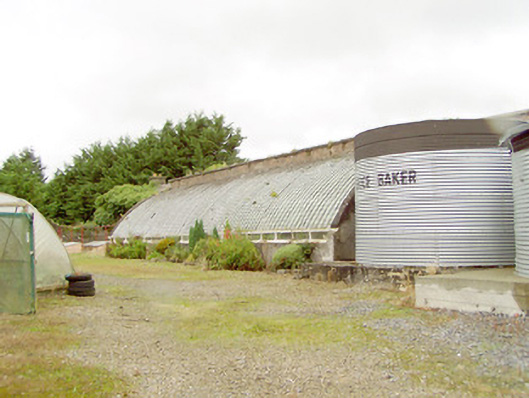
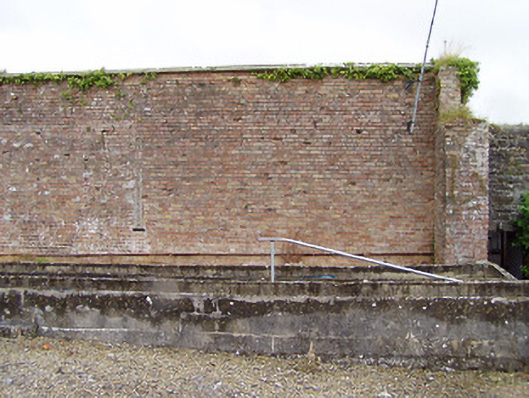
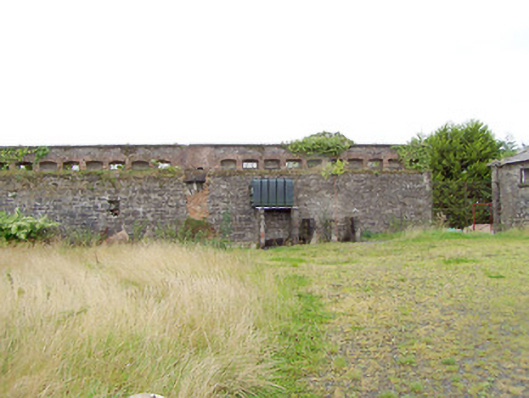
Detached single-storey curvilinear green house associated with Coolamber Manor (13401520), built c. 1850. Constructed of small glass panes set in wrought-iron superstructure. Rendered brick plinth wall to front (southeast) having wrought-iron window openings over. Render walls on quadrant profile to either end (southwest and northeast). Coursed squared rubble limestone wall to rear (formerly part of walled garden) having red brick section over with segmental-headed window openings having remains of timber fittings; number of openings now blocked. Square-headed door opening to the rendered wall to the southwest end of green house having replacement glazed timber door. Cut stone coping over rear wall. Set in walled garden (on irregular-plan) associated with Coolamber Manor, laid out c. 1830, having coursed rubble stone walls, brick lined to the interior faces, having cut stone coping over a number of sections. Located to the west of Coolamber Manor (13401520) and to the south/southwest of complex of outbuildings (13401521).
Appraisal
This graceful curvilinear green/glass house associated with Coolamber Manor (13401520) retains its early form and character. Its construction in wrought-iron is of technical merit, and it survives in good condition despite being out of use. This green house probably dates to mid-to-late nineteenth century, and was built against the boundary wall of an existing walled garden, built c. 1830. This walled garden is solidly constructed using squared rubble stone masonry and has brick-lined walls to the interior to retain heat and promote growth of produce (orchard) for use in the main house to the east. This green house and the walled garden complex provide an interesting historical and social insight into the extensive resources needed to run and maintain a large country estate in Ireland during the nineteenth century. They form part of a wider collection of structures associated with Coolamber Manor, and are important elements of the built heritage of County Longford.