Survey Data
Reg No
13401336
Rating
Regional
Categories of Special Interest
Architectural
Original Use
House
In Use As
House
Date
1860 - 1900
Coordinates
211777, 273107
Date Recorded
25/08/2005
Date Updated
--/--/--
Description
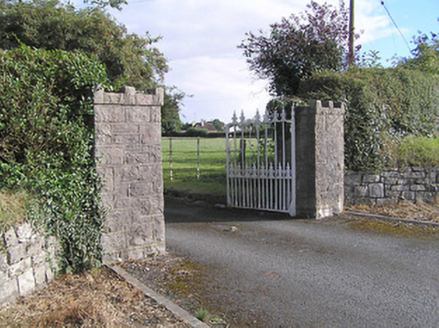
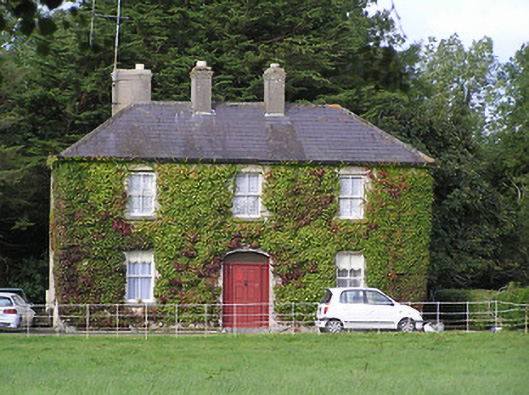
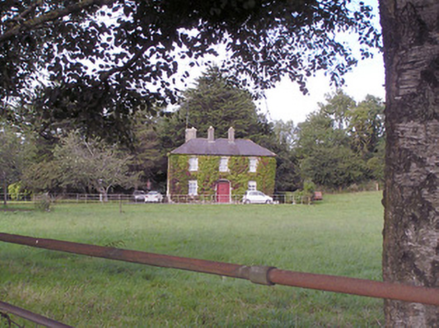
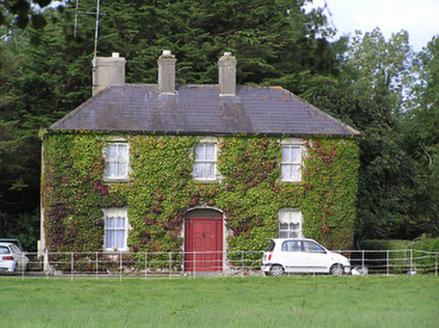
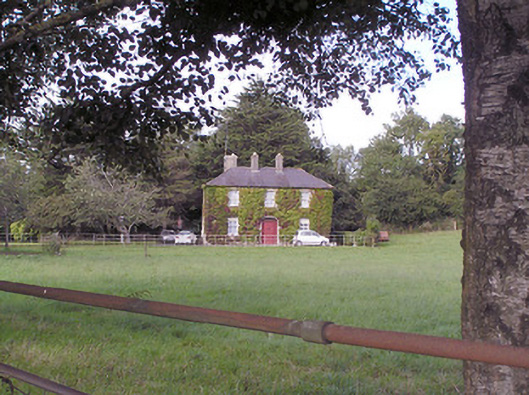
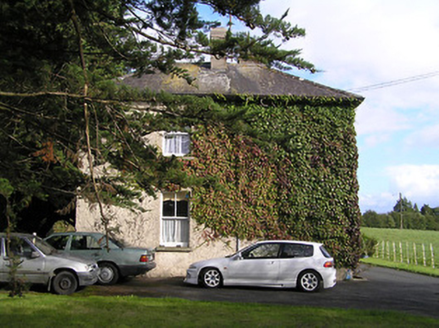
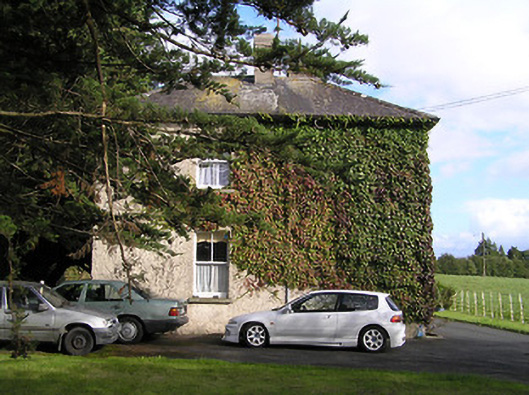
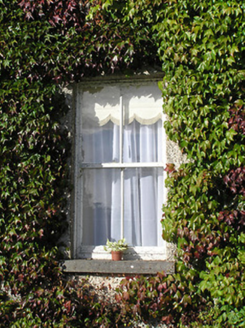
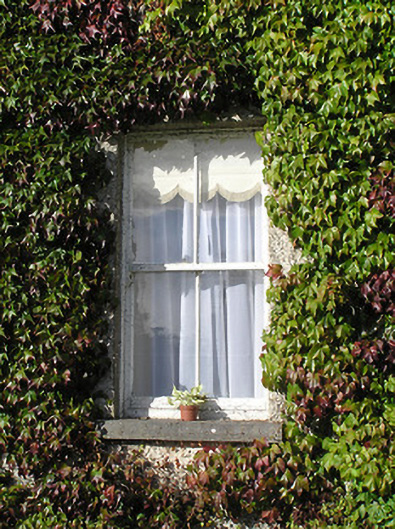
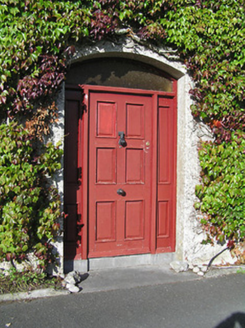
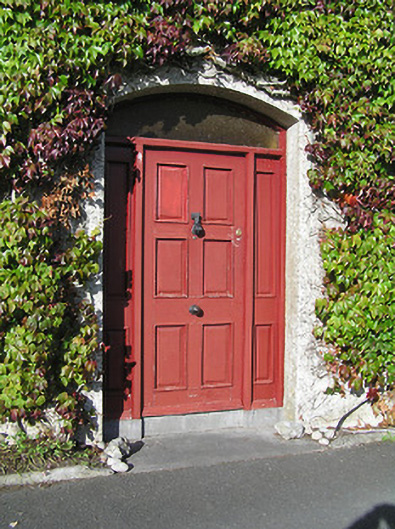
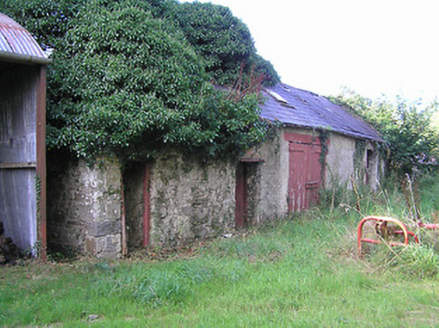
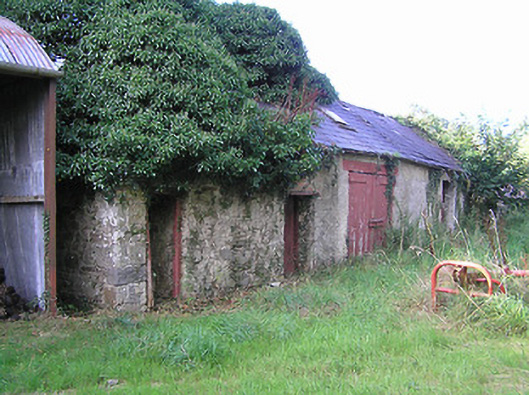
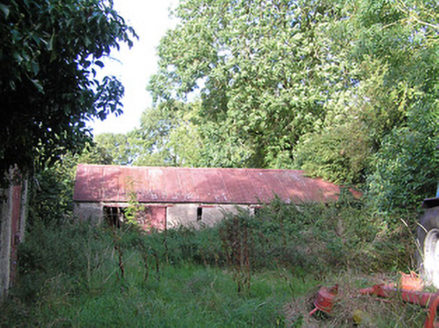
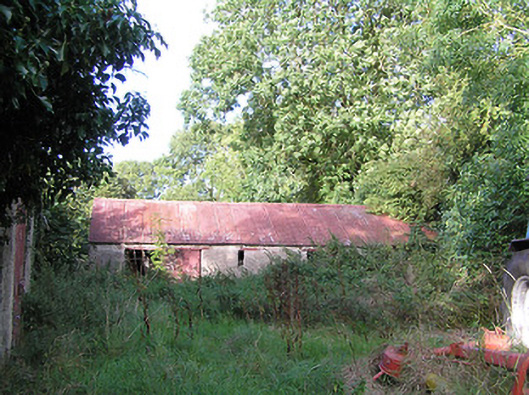
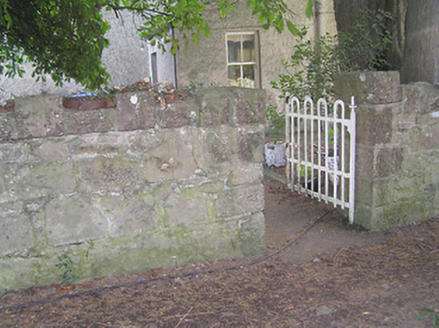
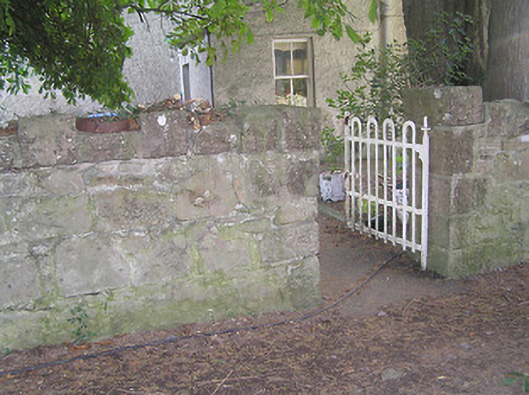
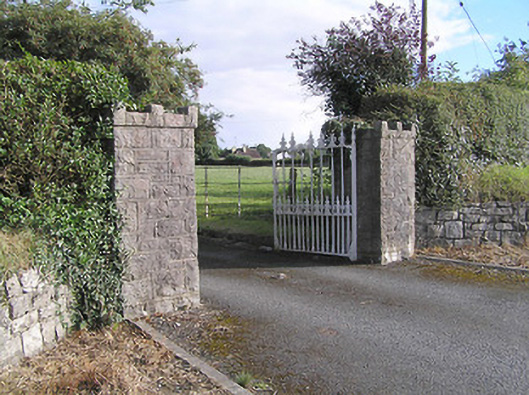
Detached three-bay two-storey house, built c. 1880, on L-shape plan having two-storey return to the rear at the northeast corner, and single-bay single-storey lean-to extension to re-entrant corner of return. Hipped natural slate roofs with rendered chimneystacks and cast-iron rainwater goods. Pebbledashed rendered walls, now largely covered with ivy/vegetation. Square-headed window openings with two-over-two pane timber sliding sash windows and limestone sills. Central segmental-headed door opening to main elevation (northwest) having timber panelled door with timber side panels, plain overlight and limestone threshold. Set back from road in extensive mature grounds to the southwest of Longford Town. Main entrance gates to the northwest comprising a pair of rebuilt limestone gate piers (on square-plan) with cast-iron double-leaf gates. Rubble stone boundary wall to road-frontage. Wrought-iron railings to approach avenue to house, and to the northwest of house. Rubble stone boundary walls with crenellated coping over to lane to north of house, with hooped flat bar wrought-iron pedestrian gate. Multiple-bay single-storey outbuildings to yard to north, with pitched natural slate and corrugated-metal roofs, rendered and rubble stone walls, and square-headed openings with timber fittings.
Appraisal
An attractive and well-proportioned house, of late nineteenth-century appearance, that retains its original form and character. The appearance of this house is typical in many ways of the archetypal medium-sized house in the Irish countryside. The hipped natural slate roof with paired central chimneystacks over a symmetrical façade, defined by vertically oriented windows and a central entrance emphasised by its width and shape, is a recurring motif through several centuries. Set in and enhanced by mature grounds, this house is nonetheless visible from the nearby roadway and provides architectural interest to the landscape. It retains much of its fabric, notably timber sash windows and a timber panelled door. The cast- and wrought-iron gates, and the rubble stone boundary walls, to site add considerably to the setting of this attractive composition. The complex of single-storey outbuildings to the north add context. Some of these outbuildings predate the house (Ordnance Survey first edition six-inch map 1838).