Survey Data
Reg No
13401331
Rating
Regional
Categories of Special Interest
Architectural
Original Use
House
In Use As
House
Date
1860 - 1900
Coordinates
213059, 273850
Date Recorded
25/08/2005
Date Updated
--/--/--
Description
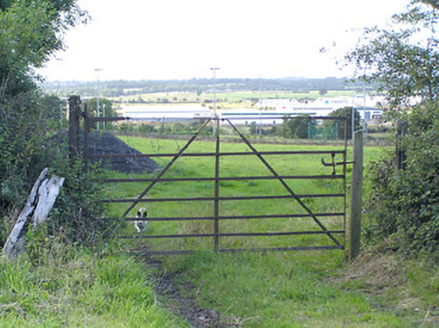
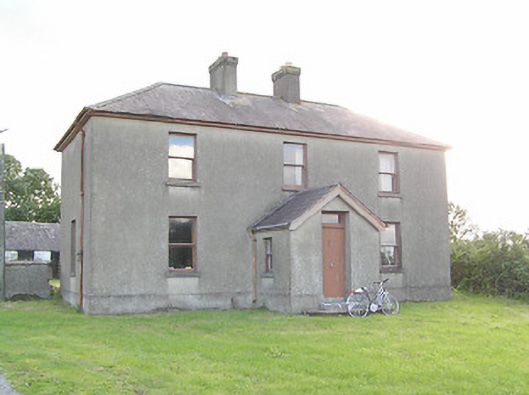
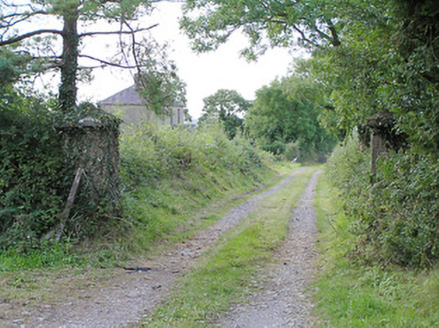
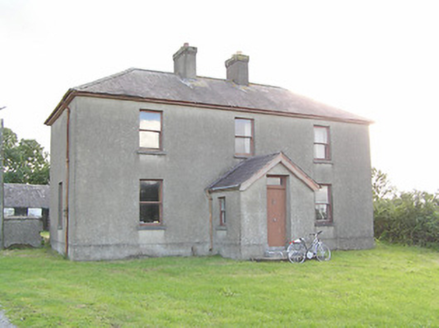
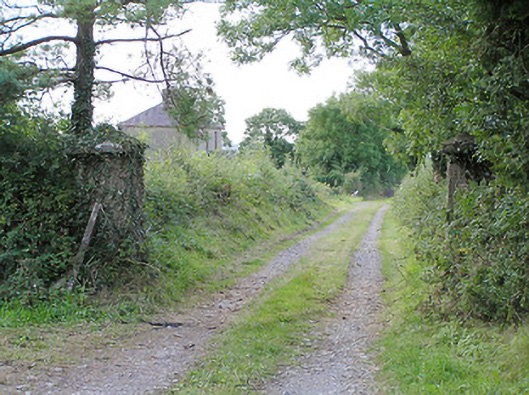
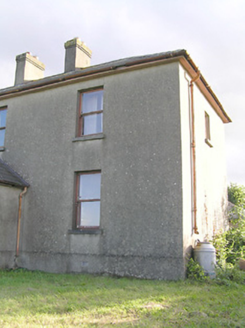
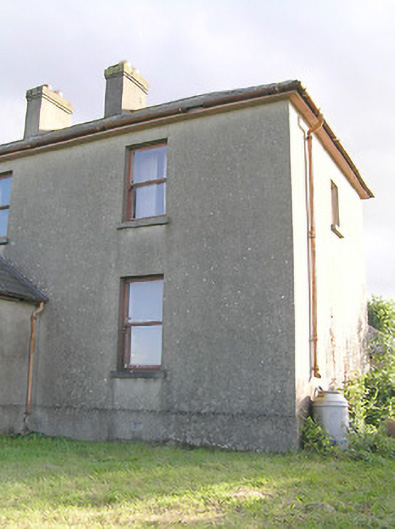
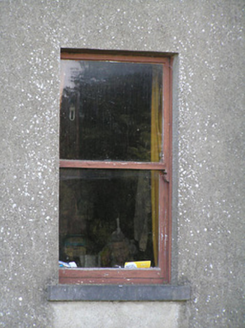
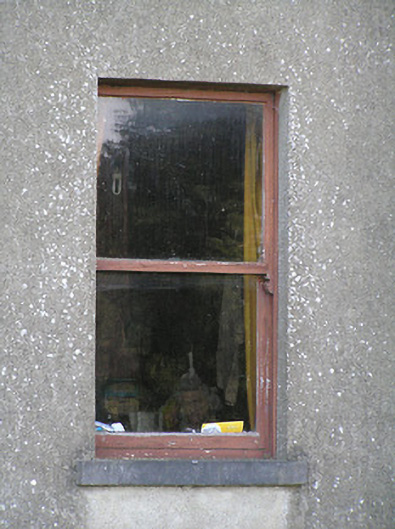
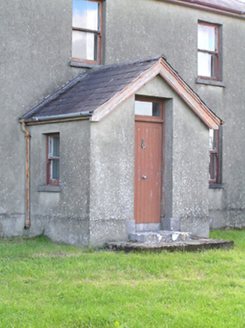
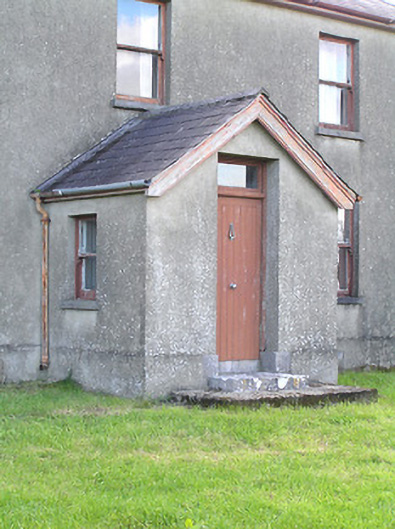
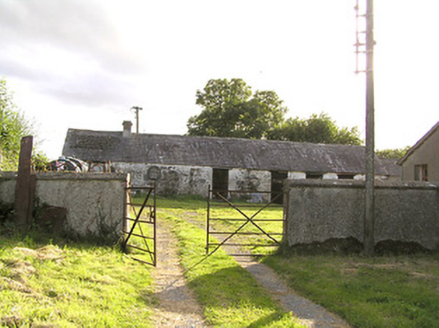
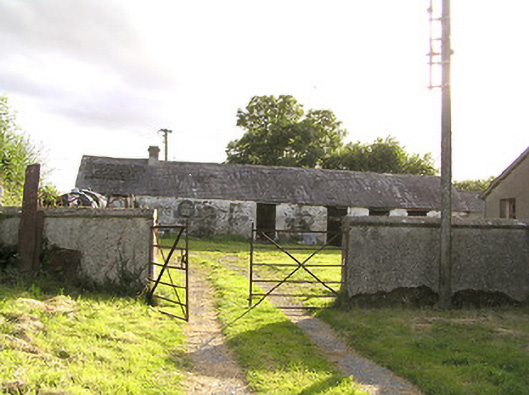
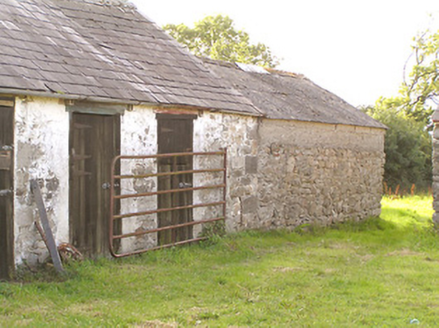
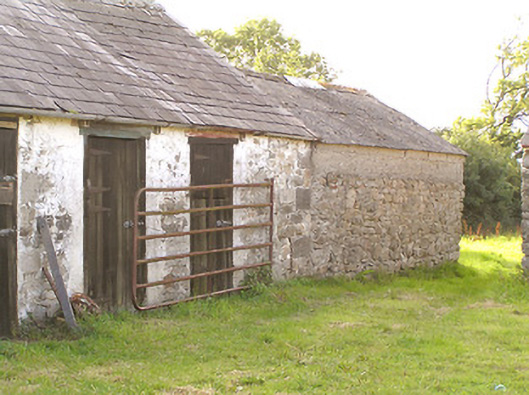
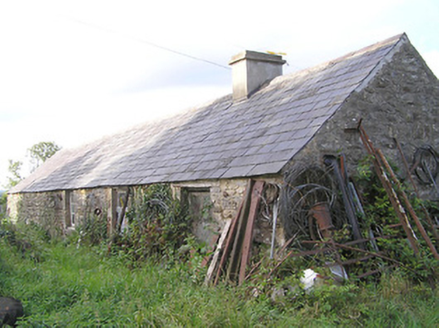
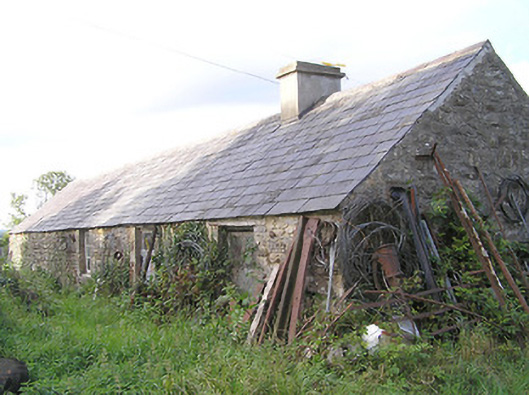
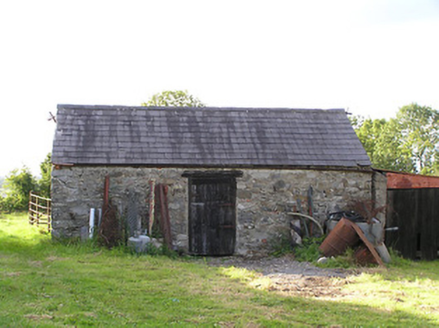
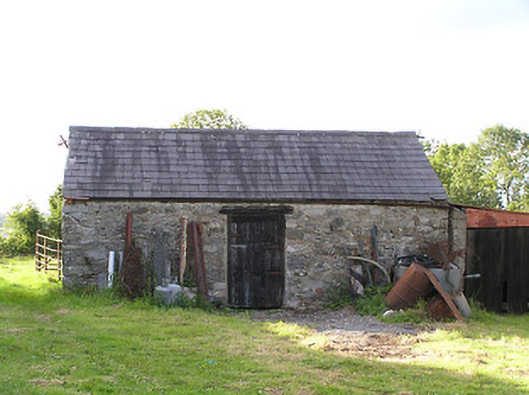
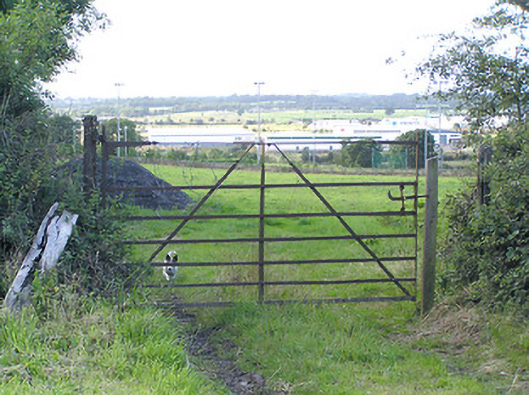
Detached three-bay two-storey house, built c. 1880, with projecting single-bay gable-fronted porch to the centre of the front elevation (northeast) and lean-to extension to rear (southwest). Hipped natural slate roof with a central pair of rendered chimneystacks and cast-iron rainwater goods. Cement rendered walls. Square-headed window openings with one-over-one pane timber sliding sash windows and tooled limestone sills. Square-headed door opening to front face of porch with timber battened door and plain overlight. Cut stone plinth blocks to doorway. Farmyard to rear, c. 1830 and c. 1880, comprising multiple-bay single-storey outbuildings with pitched natural slate and corrugated-metal roofs, rubble stone walls, and square-headed openings with timber fittings. Set back from road in own grounds. Main entrance to the south comprising a pair of rendered gate piers (on square-plan), gates now missing. Wrought-iron gates and rendered boundary walls to site. Located to the south of Longford Town.
Appraisal
This modest but well-proportioned two-storey house retains its early character and form. The appearance of this house is typical in many ways of the archetypal medium-sized house in the Irish countryside. The hipped natural slate roof and paired chimneystacks over a symmetrical façade, defined by vertically oriented windows and a central entrance further emphasised by an entrance porch, is a recurring motif through several centuries. It retains much of its fabric, notably timber sash windows. The rubble stone outbuildings to the rear, and the wrought-iron gates to site, add considerably to the setting of this unassuming composition. The largest of these outbuildings predates the present dwelling (Ordnance Survey first edition six-inch map 1838), and its scale and the presence of a chimneystack suggests that it may have been formerly in use as a dwelling.