Survey Data
Reg No
13401008
Rating
Regional
Categories of Special Interest
Architectural
Original Use
House
Date
1840 - 1900
Coordinates
227502, 282686
Date Recorded
22/08/2005
Date Updated
--/--/--
Description
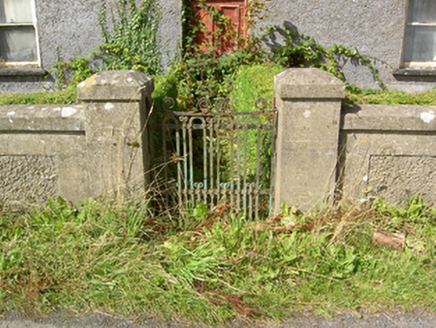
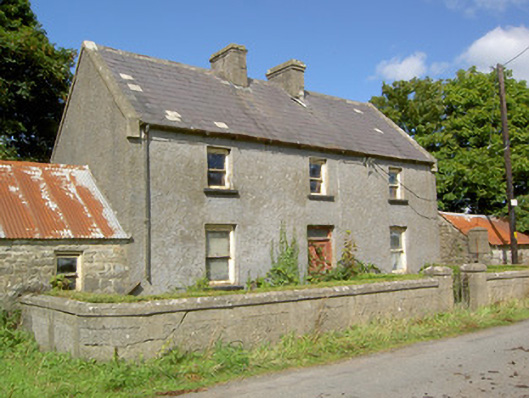
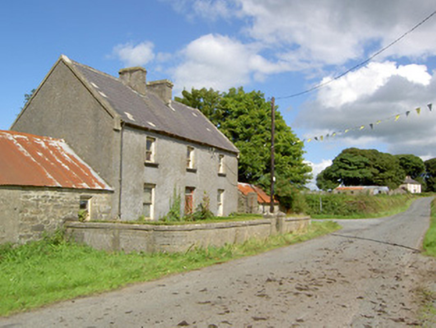
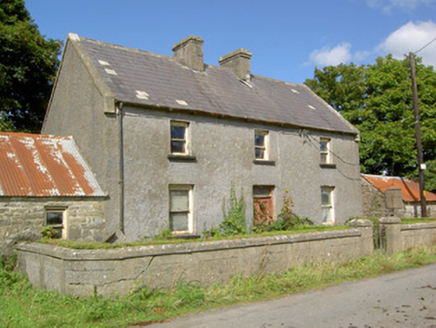
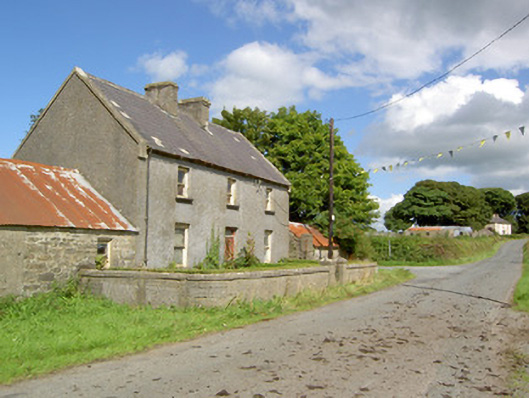
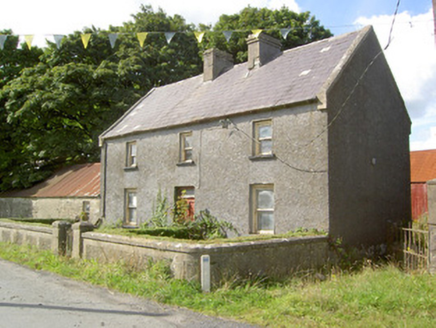
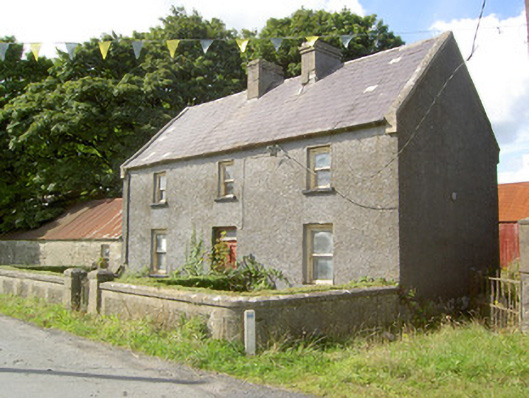
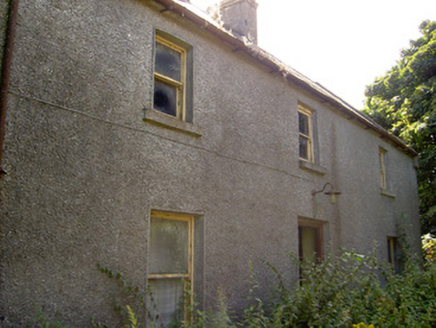
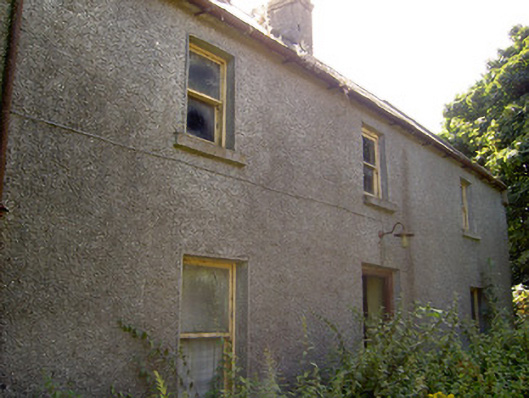
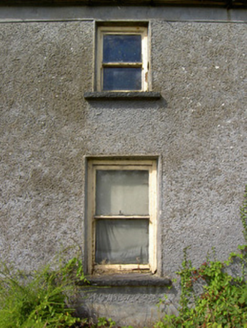
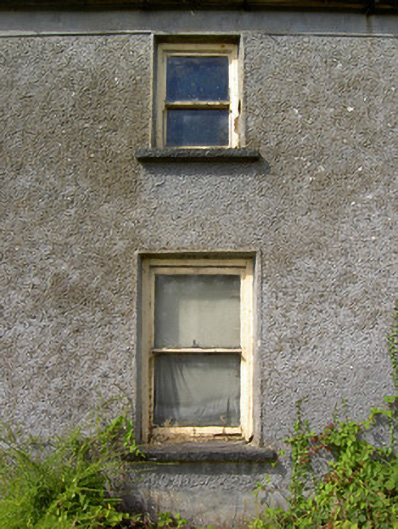
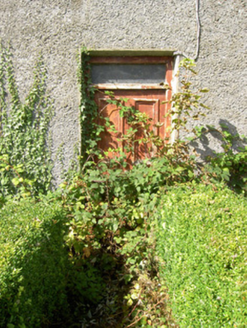
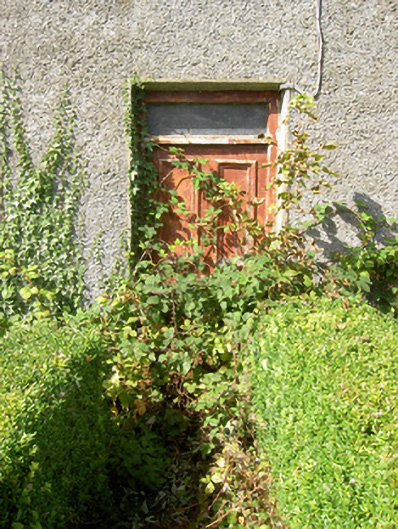
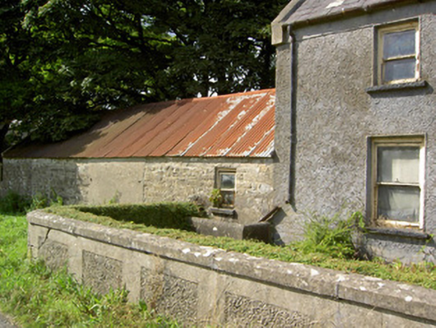
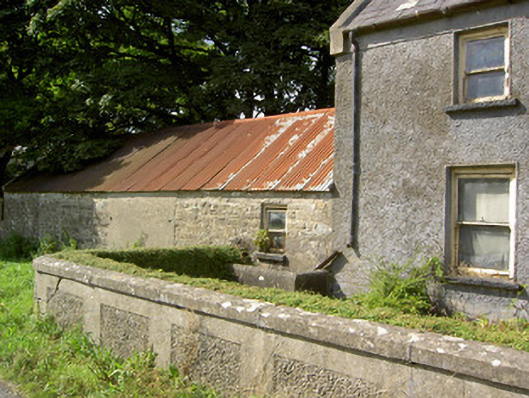
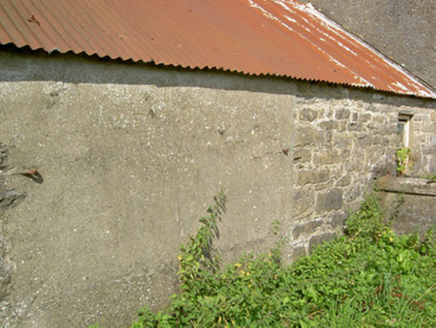
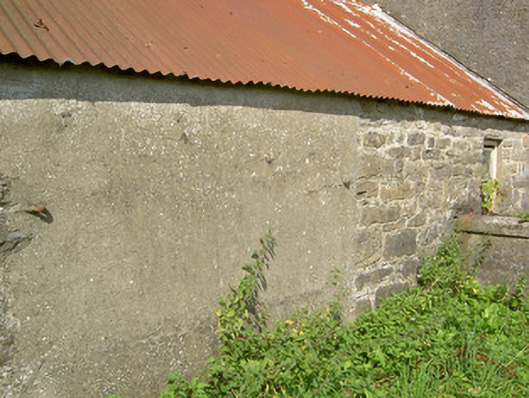
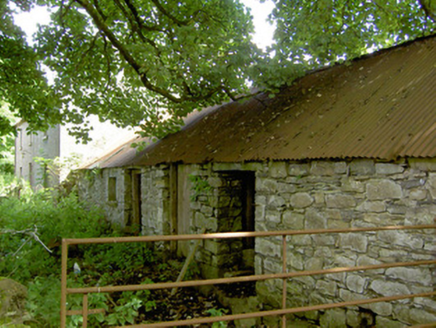
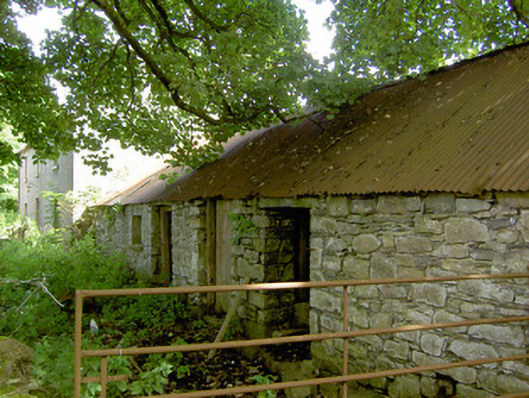
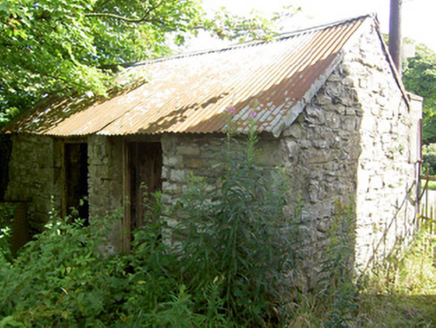
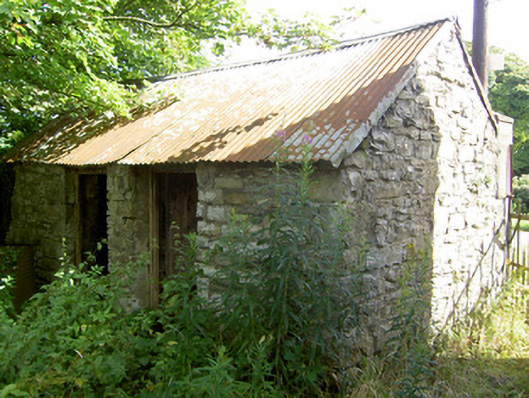
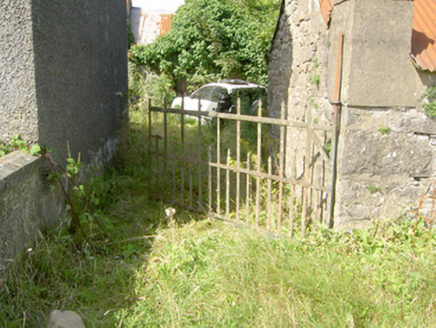
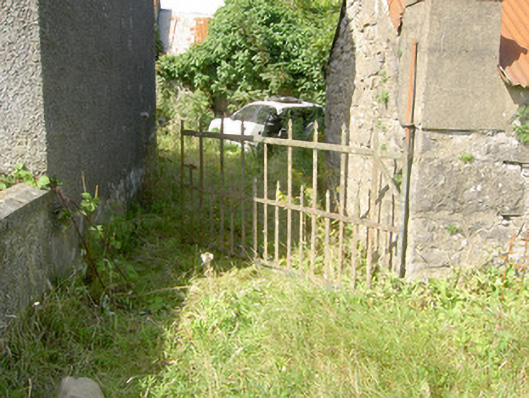
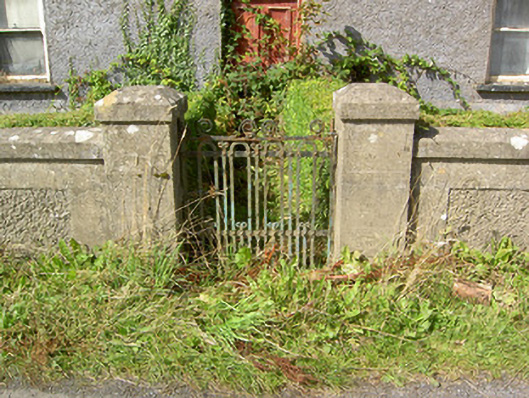
Detached three-bay two-storey house, built c. 1860, now disused. Pitched natural slate roof with a central pair of rendered, chimneystacks, cast-iron rainwater goods and raised verges to either gable end. Roughcast rendered walls with smooth render section to eaves. Square-headed window openings with rendered sills and one-over-one timber sliding sash windows. Central square-headed door opening with timber panelled door and overlight. Attached single-storey outbuilding to west gable end, having corrugated-metal roof and random rubble limestone walls. Single-storey outbuilding to east having corrugated-metal roof and random rubble limestone walls. Wrought-iron rings to front elevation. Wrought-iron gate accessing rear of site (east of house). Set slightly back from road to the east end of Bunlahy, adjacent to road junction. Rendered boundary wall to road frontage (south) enclosing garden. Rendered gate piers (on square-plan) and wrought-iron pedestrian gate to entrance.
Appraisal
An attractive and well-proportioned mid-to-late nineteenth-century house retaining its original form and character. This modest building retains much of its early fabric, including timber sliding sash windows and a timber panelled door of late-nineteenth appearance. The single-storey outbuildings to either side, possibly formerly in use as dwellings, add to the setting of this modest dwelling. One of these outbuildings has iron rings to the front elevation, which may have been used to tether animals during fair days as the former village fair green is located adjacent to this building to the southeast. T he wrought-iron gates to site, particularly the decorative pedestrian gate to the entrance, add an element of artistic appeal. This building is of a type that was formerly very common in the Irish rural countryside but is now becoming increasingly rare due to modern alterations etc. This building, although now out of use, is an integral element of the built heritage of north County Longford, and adds to the historic feel of the Bunlahy area.