Survey Data
Reg No
13400915
Rating
Regional
Categories of Special Interest
Architectural, Technical
Original Use
Bridge
In Use As
Bridge
Date
1840 - 1880
Coordinates
220028, 278103
Date Recorded
09/08/2005
Date Updated
--/--/--
Description
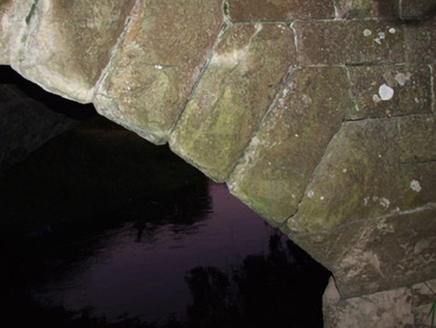
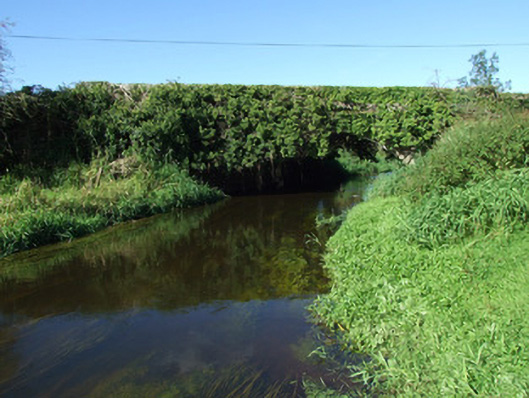
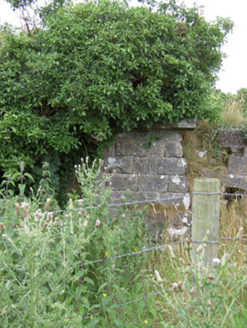
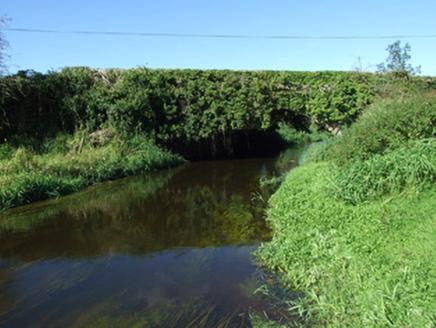
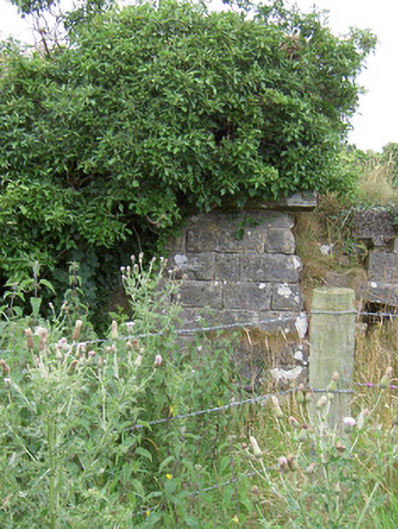
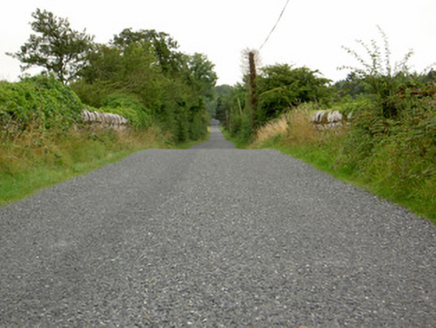
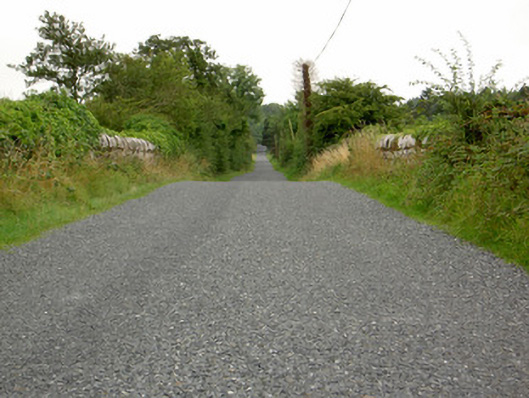
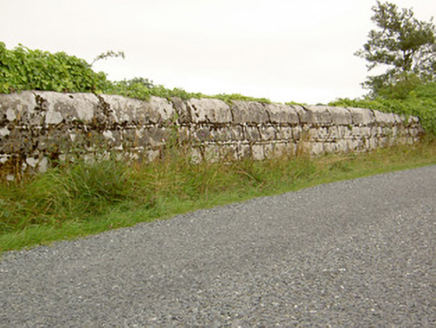
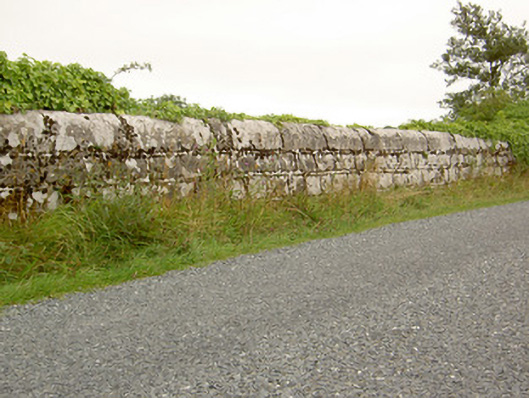
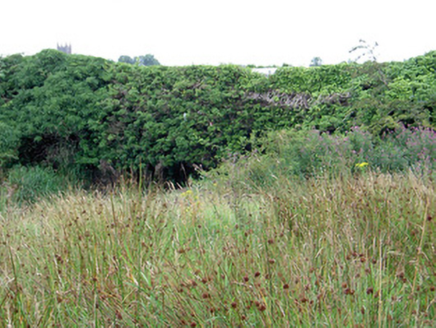
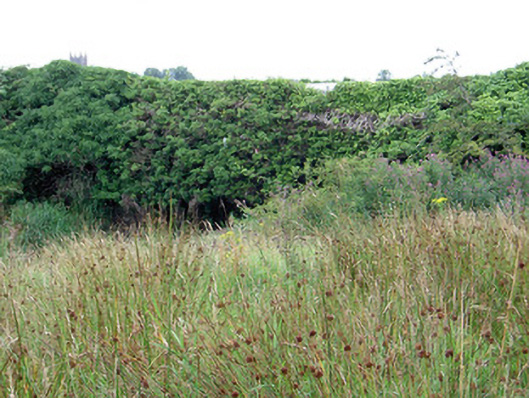
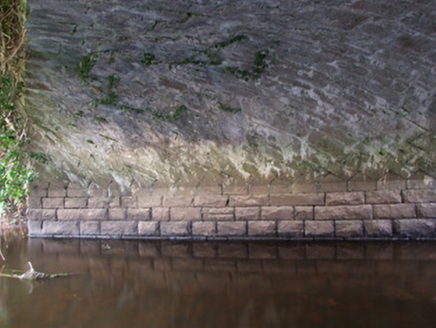
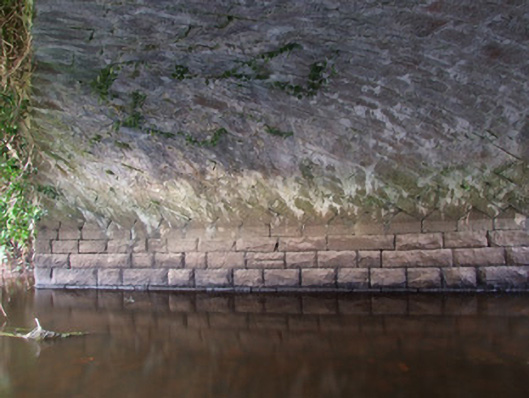
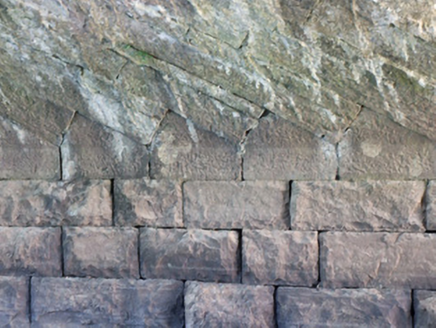
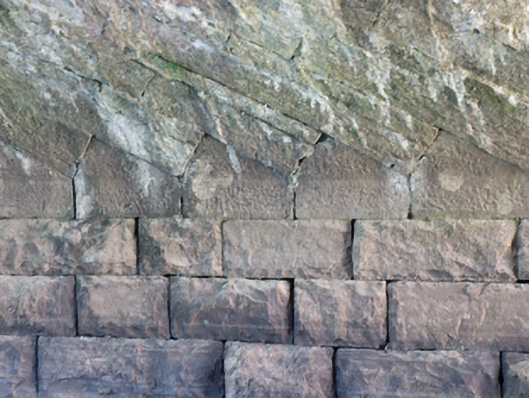
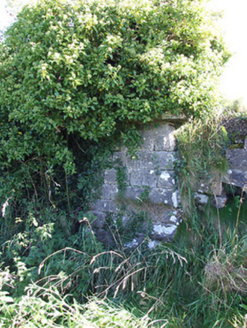
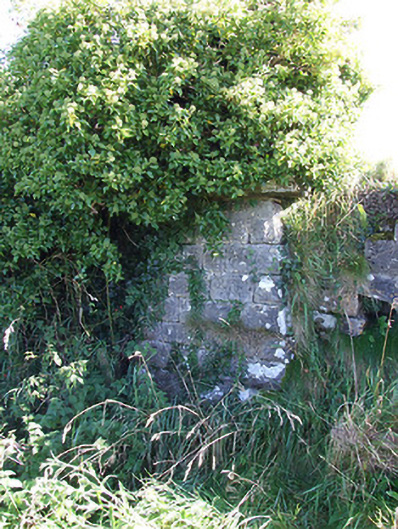
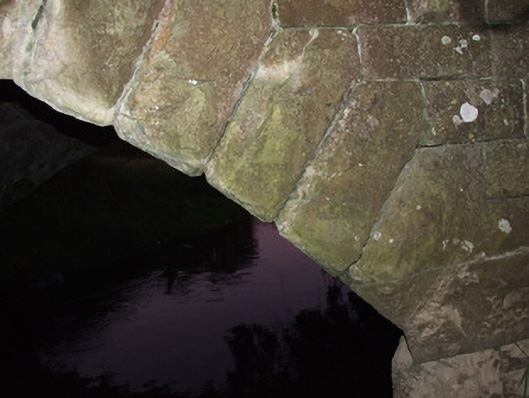
Single-arch road bridge over the Camlin River, built c. 1860. Constructed of coursed rock-faced limestone with rounded dressed limestone coping over parapet walls. Bridge largely overgrown with ivy. Terminating piers to either side of arch having splayed bases and with dressed coping over. Segmental-headed arch with rock-faced limestone voussoirs having dressed V-jointed dressed margins. Squared coursed dressed limestone to barrel and abutments. Skewed construction to barrel. Rubble stone wing walls to either end of bridge (north and south). Rock-faced string course to base of piers, possibly extending across bridge at road/deck level (overgrown). Located to the southwest of Ballinalee.
Appraisal
A robustly-built medium-scale bridge, of mid nineteenth-century appearance, which is a pleasing feature in the rural landscape to the southwest of Ballinalee. This bridge shows evidence of highly skilled craftsmanship in its stonemasonry throughout. The wide arch and the skewed masonry construction to the barrel help to add additional technical and engineering merit. The good quality rock-faced masonry is a typical feature of the many bridges built throughout Ireland by the Board of Works/Office of Public Works during the mid-to-late nineteenth century, and particularly between c. 1847 - 60, suggesting that they may have been responsible for its construction. This bridge is quite similar in form to a number of other bridges over the Camlin River, including Kilnacarrow Bridge (13400906) to the northeast, and Ballinkenny Bridge (13400816) and Carriglass Bridge (13400912) to the west, suggesting that it was built as part of a general drainage and/or bridge building programme. The present structure replaced an earlier bridge to this site (Ordnance Survey first edition six-inch map 1838). The Camlin Rover was wider at this point at this time.