Survey Data
Reg No
13400815
Rating
Regional
Categories of Special Interest
Architectural
Original Use
House
In Use As
House
Date
1840 - 1900
Coordinates
211719, 278558
Date Recorded
27/07/2005
Date Updated
--/--/--
Description
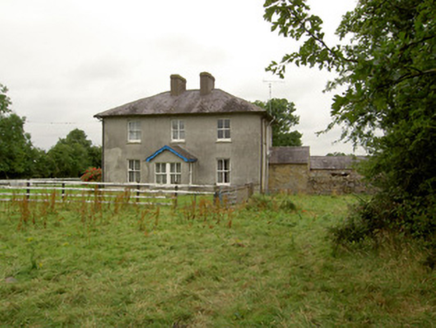
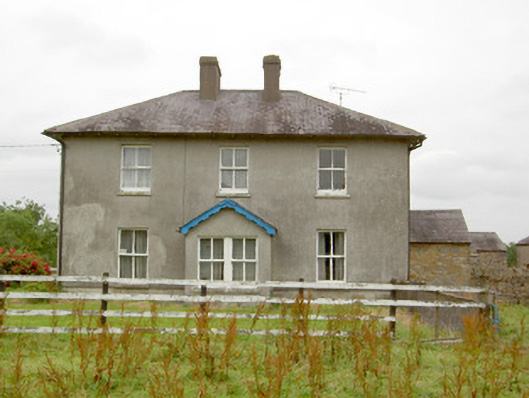
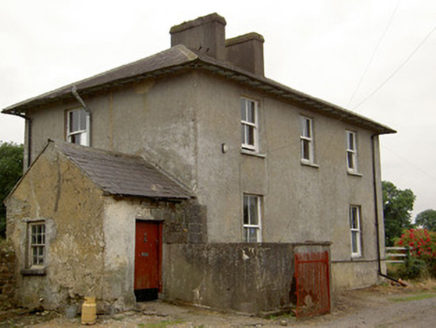
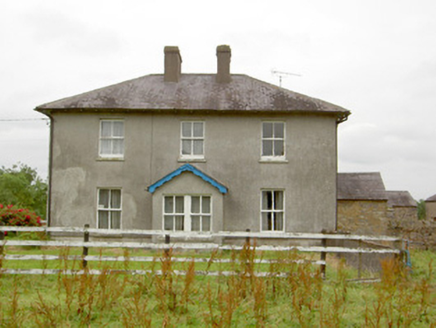
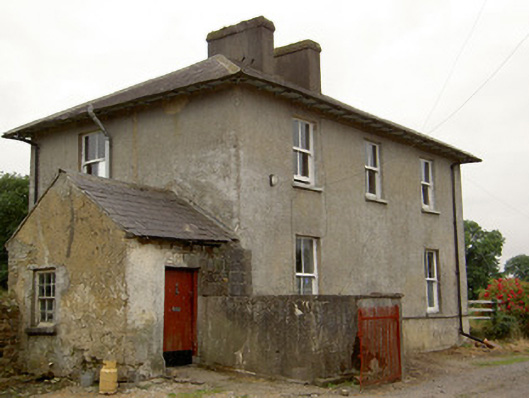
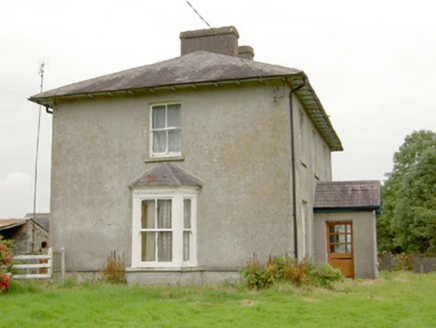
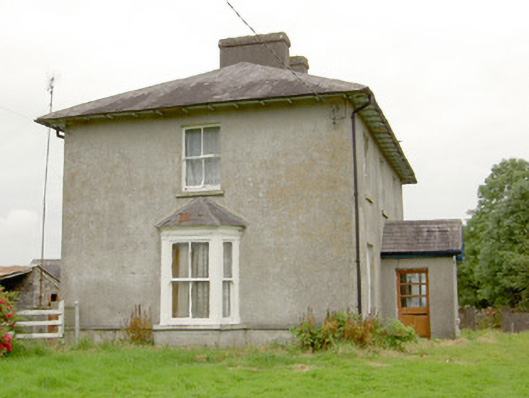
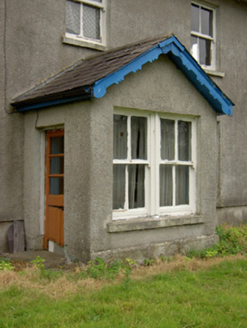
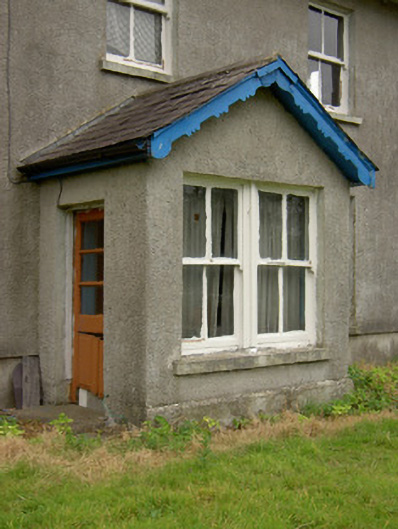
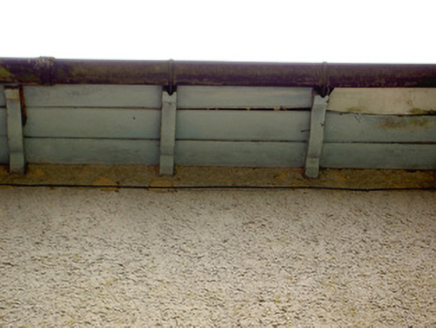
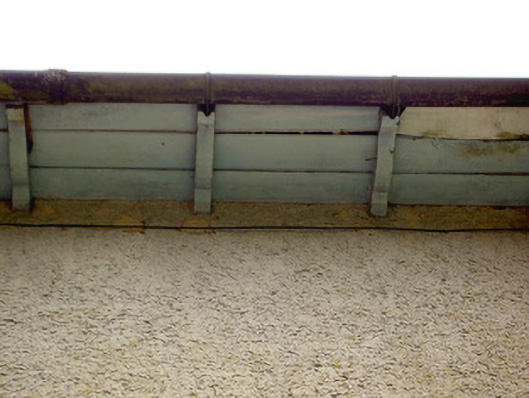
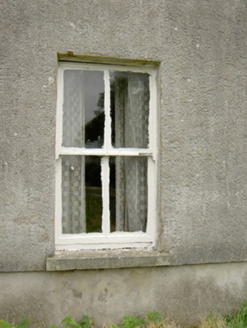
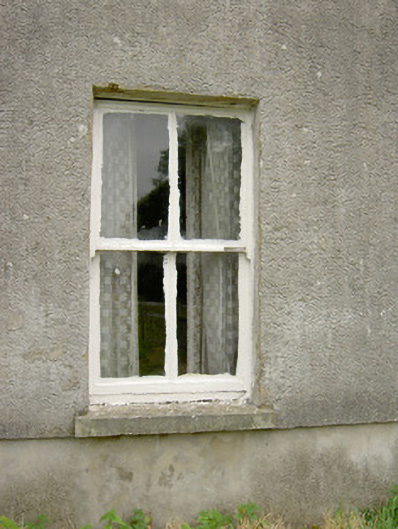
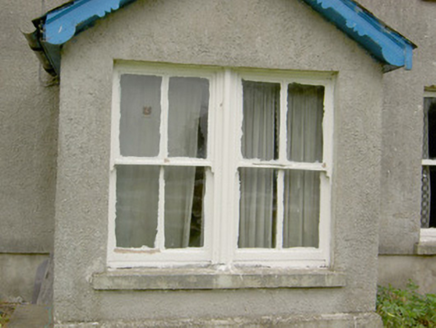
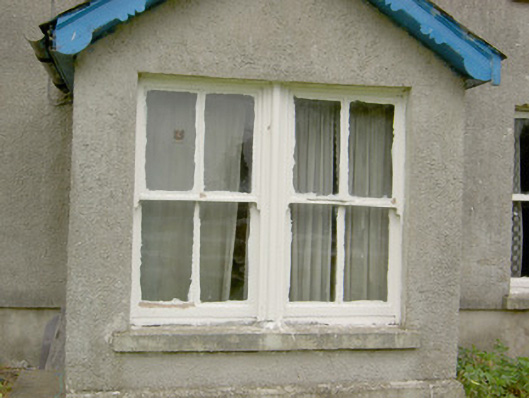
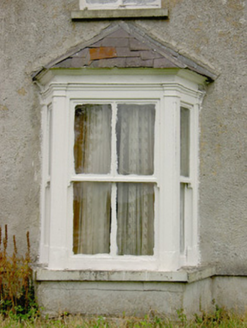
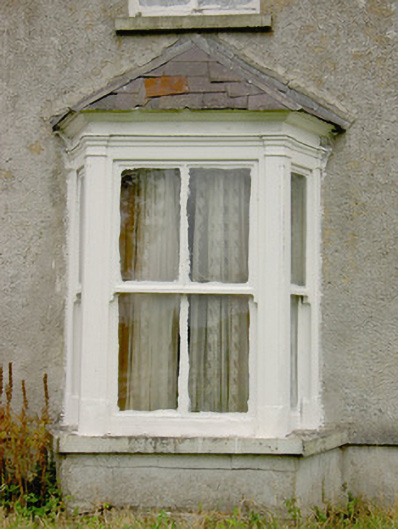
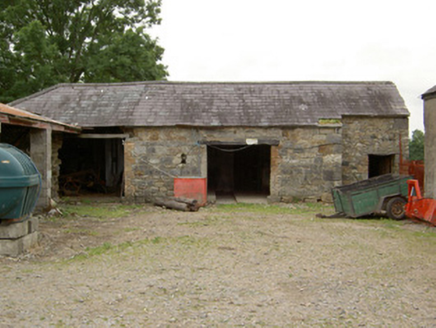
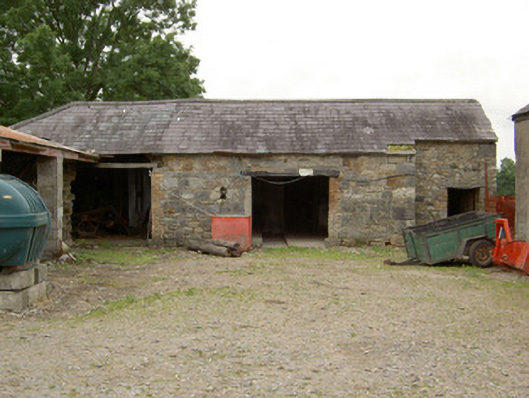
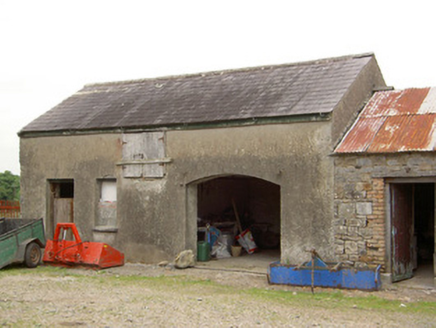
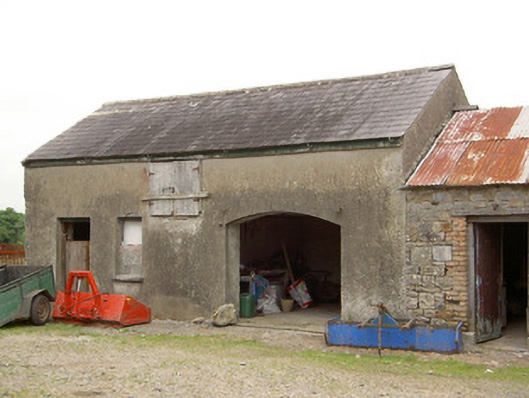
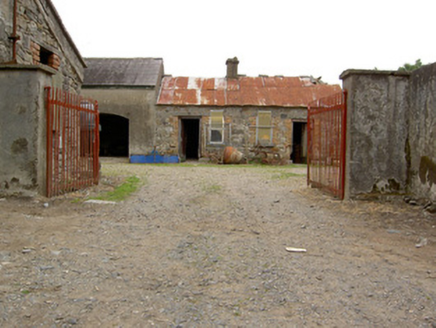
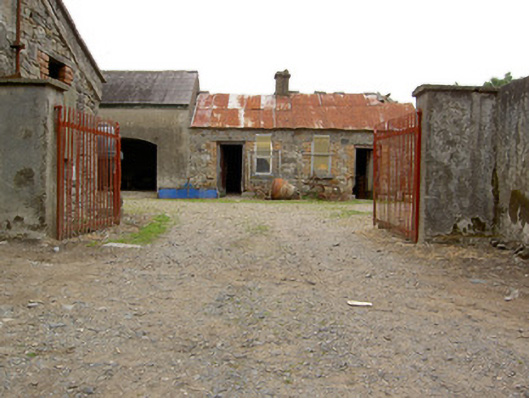
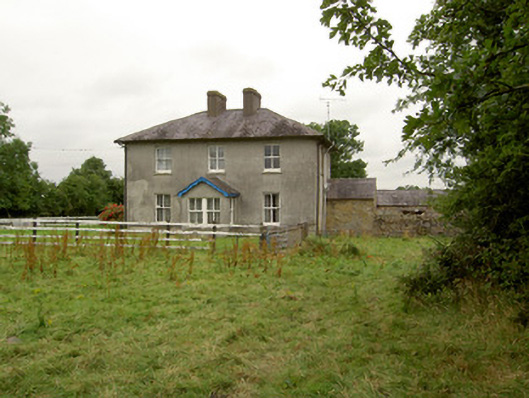
Detached three-bay two-storey house, built c. 1870, having gable-fronted porch to the centre of the front elevation (southeast) and a canted bay window to the southwest elevation at ground floor level. Possibly incorporating the fabric of an earlier building to site c. 1820 (Ordnance Survey map 1838). Single-bay single-storey outbuilding/extension attached to the northeast elevation. Hipped natural slate roof with overhanging bracketed eaves, cast-iron rainwater goods and a central pair of rendered chimneystacks. Roughcast rendered walls over smooth rendered plinth course. Square-headed window openings with two-over-two pane timber sliding sash windows and tooled limestone sills. Paired square-headed window opening to the southeast face of porch. Square-headed door openings with timber and glazed door to front porch and timber battened door to northeastern porch. Complex of single- and two-storey outbuildings arranged around a courtyard to the rear (northwest) having rendered and rubble stone walls, hipped and pitched slate and corrugated-metal roofs and square-headed openings. Entrance to rear yard through gateway to the southeast of complex having paired wrought-iron flat-bar gates and rendered gate piers. Set back road in own grounds to the southeast of Newtown-Forbes.
Appraisal
This simple two-storey house retains its early form and character. Its symmetrical form creates a pleasing composition. It retains much of its early fabric including timber sash windows and a natural slate roof. Good quality timberwork is evident to the canted bay window to the southwest elevation, and adds an element of artistic appeal to this side elevation. This house is an example of the enduring popularity in Ireland of the three-bay two-storey form with symmetrical fenestration and hipped roof. It probably dates to the mid-to-late nineteenth century but it may incorporate the fabric of an earlier building to site (Ordnance Survey first edition six-inch map 1838). The simple porch is probably a later addition, perhaps c. 1900, but adds to the character of the building. The simple complex of outbuildings to the rear and the wrought-iron flat bar gates complete the setting and add to this unassuming composition. It is an integral element of the built heritage of the local area, adding appealing to its rural location.