Survey Data
Reg No
13400806
Rating
Regional
Categories of Special Interest
Architectural
Original Use
House
Date
1780 - 1820
Coordinates
212540, 281491
Date Recorded
27/07/2005
Date Updated
--/--/--
Description
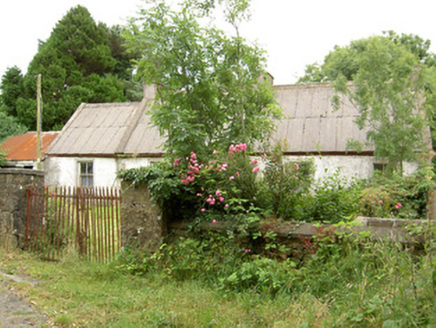
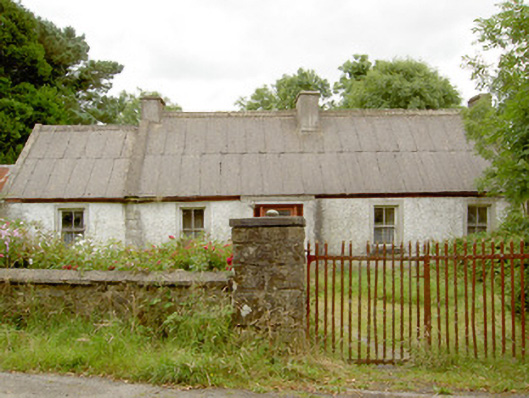
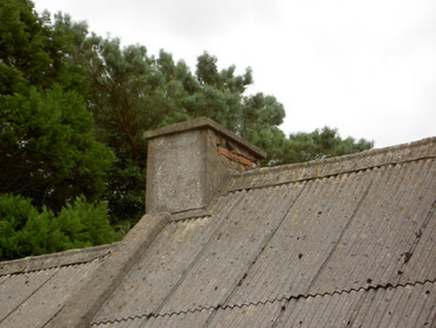
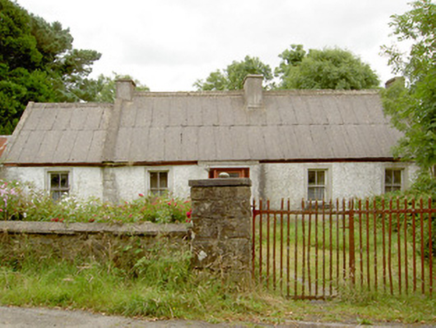
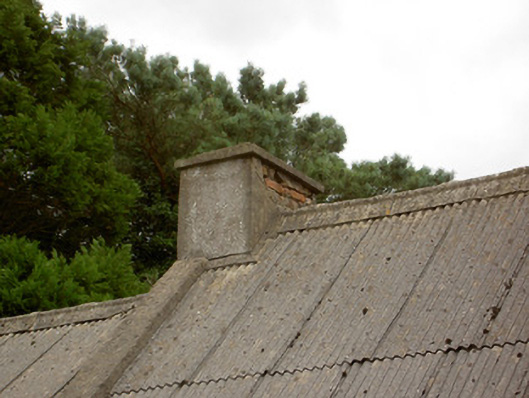
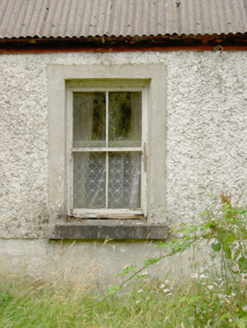
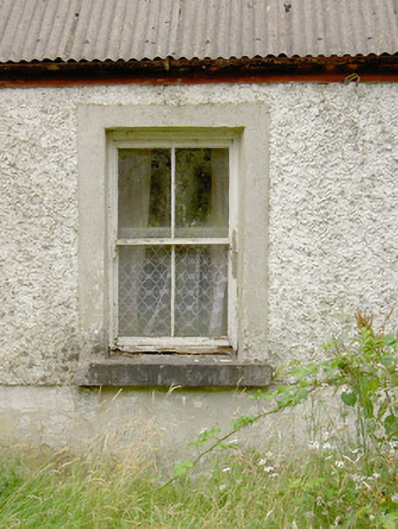
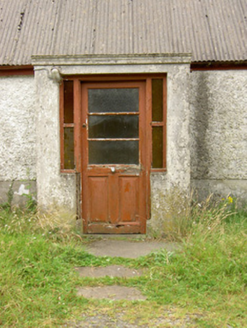
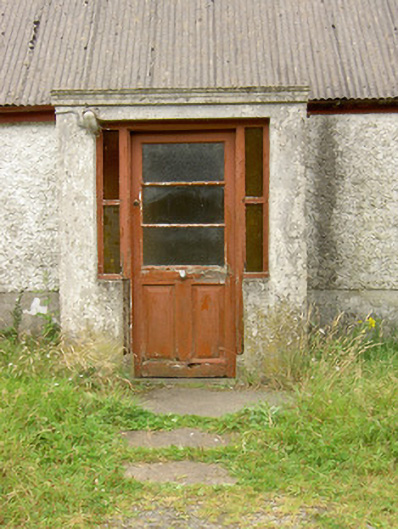
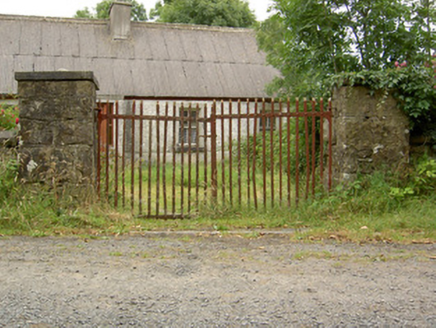
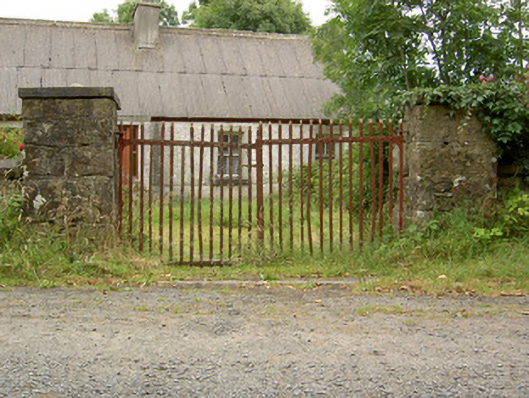
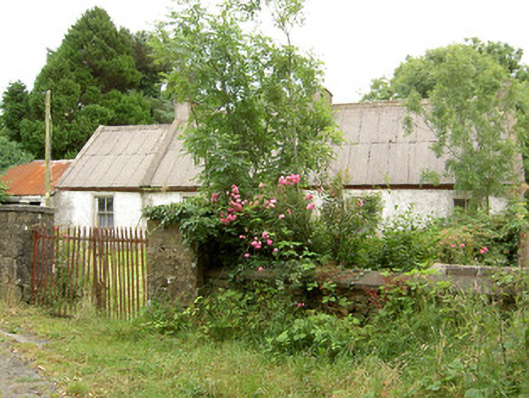
Detached four-bay single-storey vernacular house, built c. 1800, with projecting single-bay flat-roofed entrance porch to the main elevation (north) and with single-bay extension and abutting outbuilding attached to the east. Now out of use. Pitched corrugated-asbestos roof with three rendered redbrick chimneystacks, one to either gable end and one offset to the centre, and with cast-iron rainwater goods. Pebbledashed walls over smooth rendered plinth, and having render quoins to the corners. Square-headed window openings with two-over-two pane timber sliding sash windows having tooled limestone sills and rendered reveals. Square-headed doorway to front face of porch having glazed timber door with glazed surrounds. Outbuilding with pitched corrugated-metal roof and roughcast rendered walls to northeast. Gateway to the north of site comprising a pair of rubble stone gate piers (on square-plan) having double-leaf wrought-iron flat bar gates. Set back from road to the northeast of Newtown-Forbes.
Appraisal
Although currently out of use, this vernacular house retains its original character and much of its salient fabric, and represents a good example of its type. Modest in scale and form, this house exhibits the simple and functional form of traditional vernacular building in Ireland. The corrugated-asbestos roof suggests that this building was formerly thatched. The position of the central chimneystack, offset from the entrance porch, suggests that this building has/had the lobby-entry plan that is characteristic of the vernacular architecture of the midlands of Ireland. It has been extended along its length, which is almost of typical feature of buildings of this type. The simple gate piers and the wrought-iron flat bar gates to the entrance add to the setting and complete this composition. This building is the best surviving example in a cluster of former vernacular houses, possibly a clachan, at Prucklish, the other buildings having been altered or in an advanced state of disrepair.