Survey Data
Reg No
13400606
Rating
Regional
Categories of Special Interest
Architectural
Original Use
House
In Use As
House
Date
1780 - 1820
Coordinates
233662, 286609
Date Recorded
29/07/2005
Date Updated
--/--/--
Description
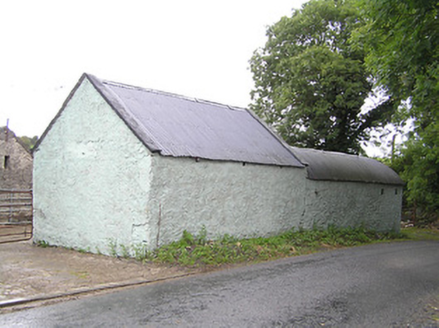
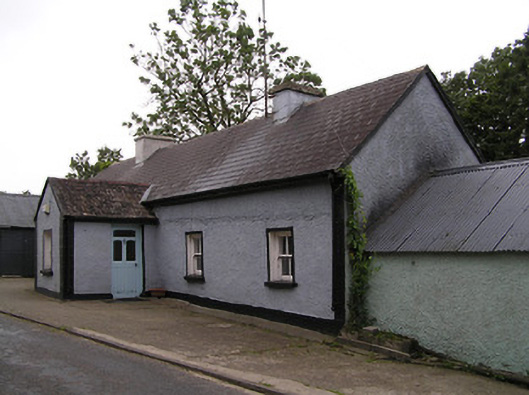
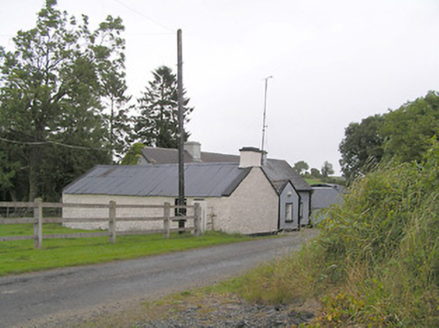
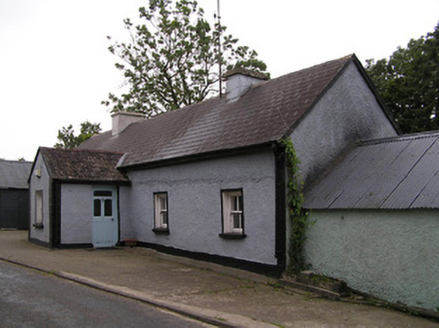
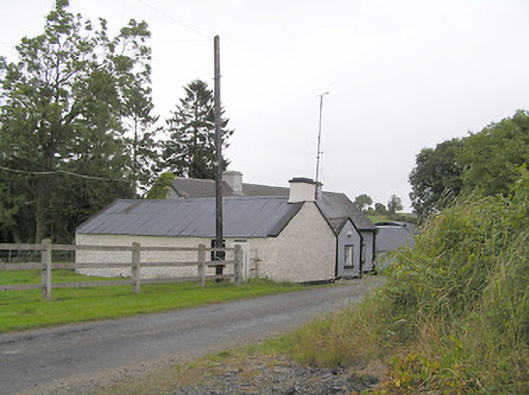
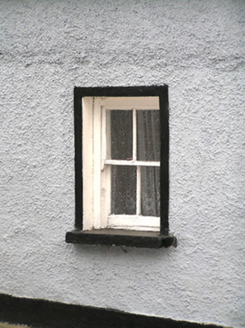
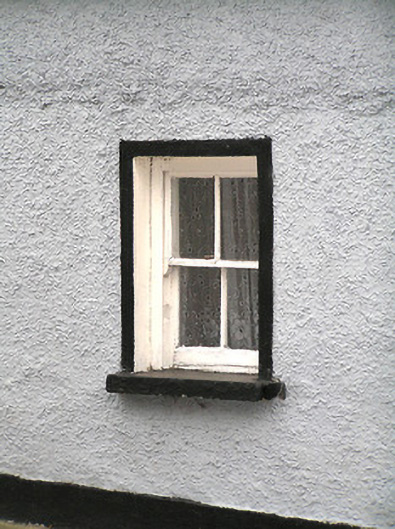
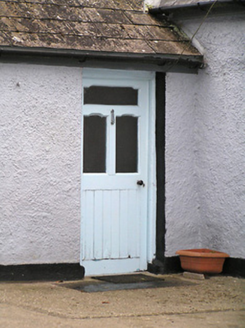
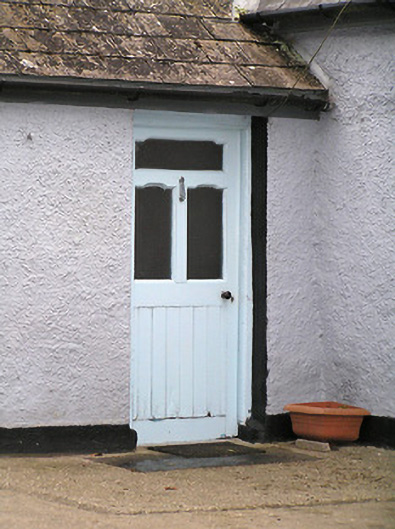
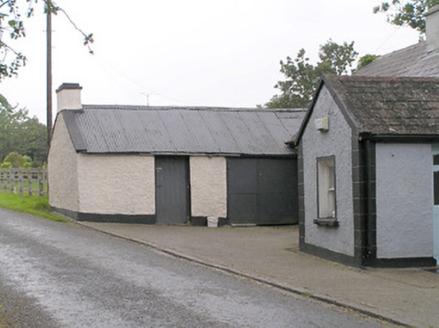
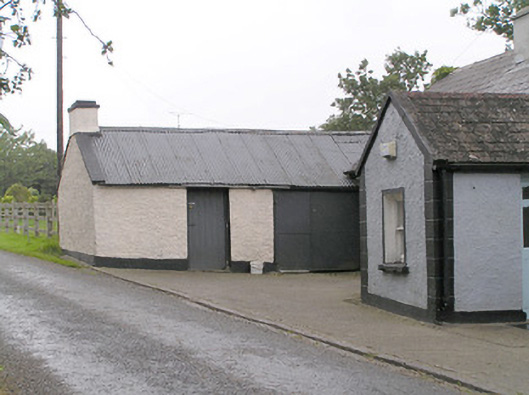
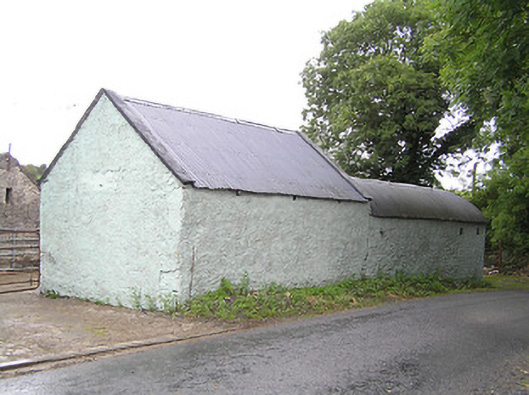
Detached five-bay single-storey house, built c. 1800, having projecting gable-fronted porch with pitched artificial slate roof to the centre of the southeast elevation. Pitched artificial slate roof with two rendered chimneystacks. Painted roughcast rendered walls over smooth rendered plinth, render block quoins to corners. Square-headed window openings with two-over-two pane timber sliding sash windows with painted stone sills. Square-headed door opening to northeast side of porch having half-glazed timber door. Multiple-bay single-storey outbuilding to southwest, with pitched corrugated-metal roof, painted roughcast rendered walls and square-headed openings with timber and sheet metal fittings. Single-storey outbuilding attached to northeast gable with pitched corrugated-metal roof and painted roughcast rendered walls. Single-storey outbuildings to northeast with pitched and barrel-shaped corrugated-metal roofs and painted roughcast rendered walls. Single-bay single-storey outbuilding to yard to rear with pitched corrugated-metal roof, roughcast rendered walls, and square-headed openings. Set slightly back from roadside with yard with outbuildings to rear and outbuildings on either side. Located to the north of Granard.
Appraisal
This simple vernacular house retains its original character and form. The vernacular nature of this building is evident in its small openings, its simple form with minimal decoration, and its siting with outbuildings on either side as well as to the rear. The location of the chimneystacks hints that this building was extended by a bay to either end, along the long axis of the building, at some stage. It makes an interesting group with the varied forms of the outbuildings around it. The majority of these outbuildings are later than the house (not on 1838 map). The retention of timber sash windows and the roughcast render add textural interest, and a patina of age. This building is an addition to the built heritage of north County Longford, adding historic appeal to its rural location.