Survey Data
Reg No
13400602
Rating
Regional
Categories of Special Interest
Architectural, Artistic
Original Use
House
In Use As
House
Date
1905 - 1910
Coordinates
225568, 288844
Date Recorded
29/07/2005
Date Updated
--/--/--
Description
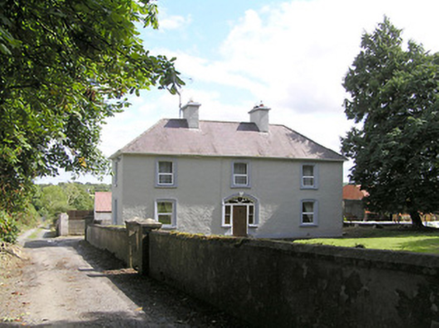
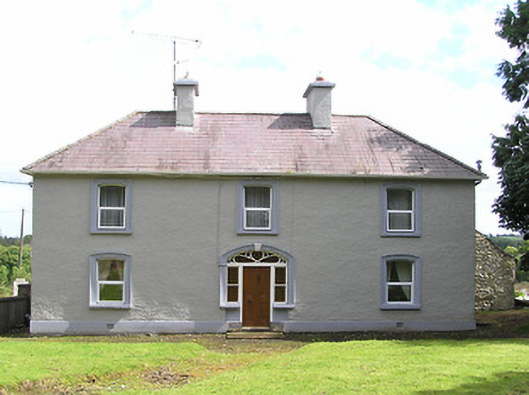
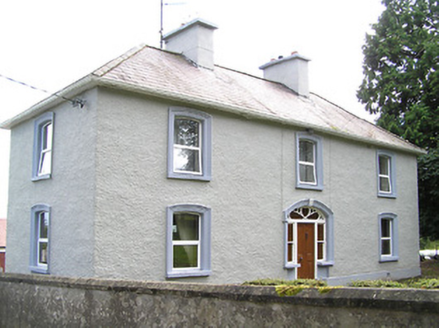
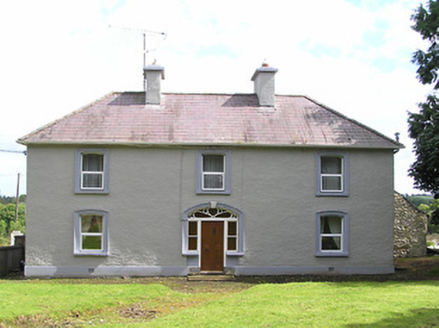
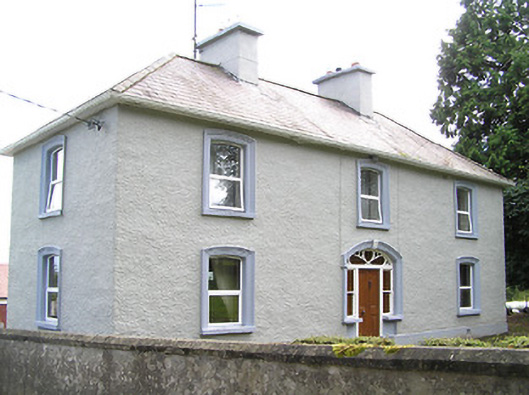
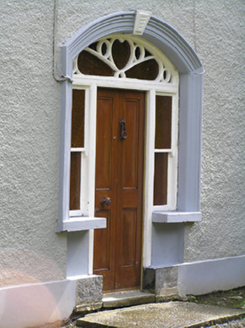
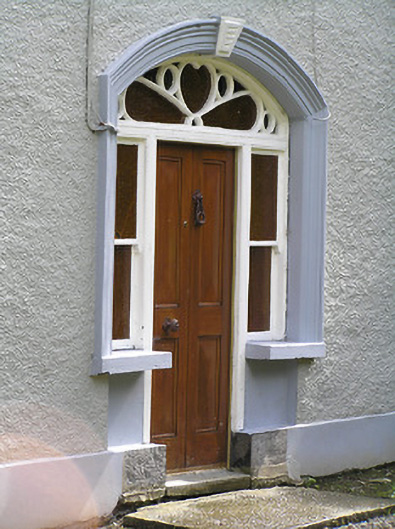
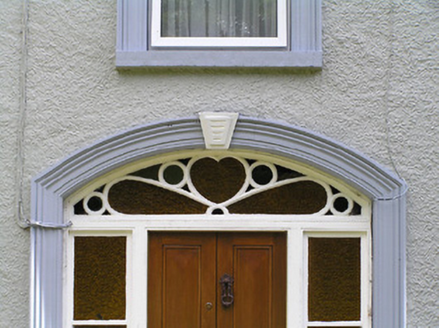
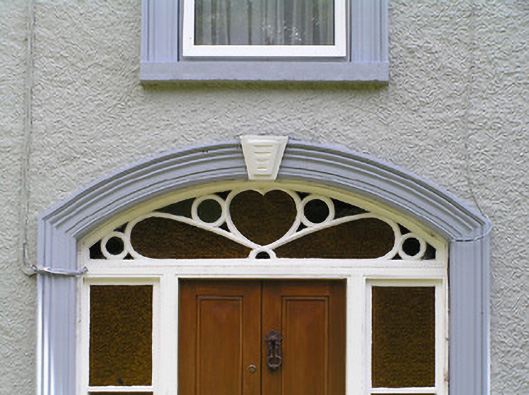
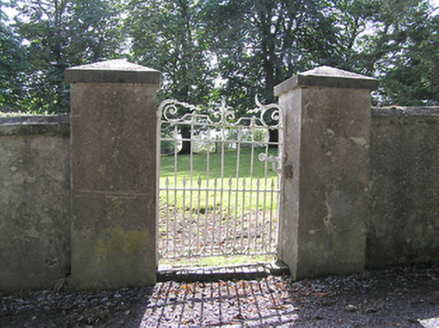
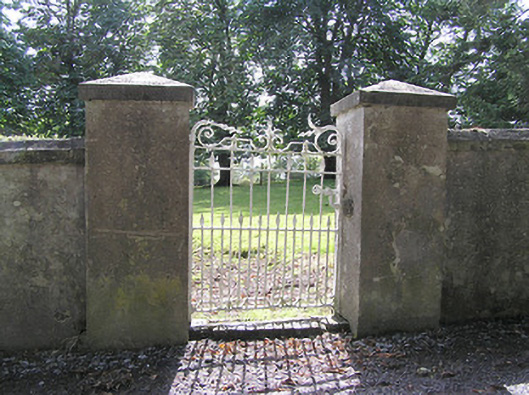
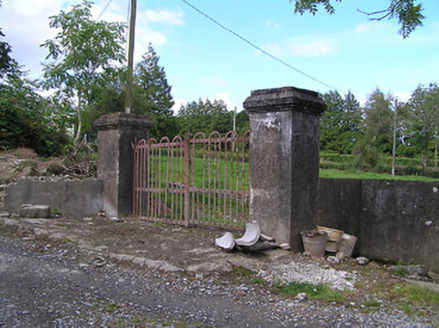
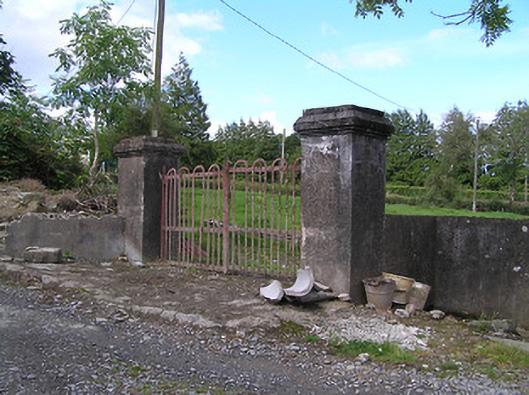
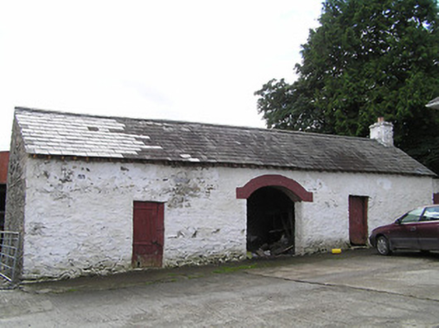
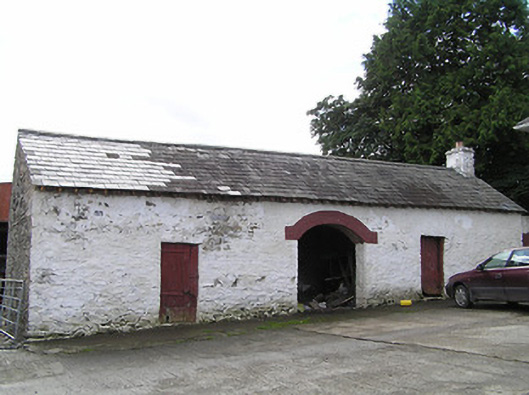
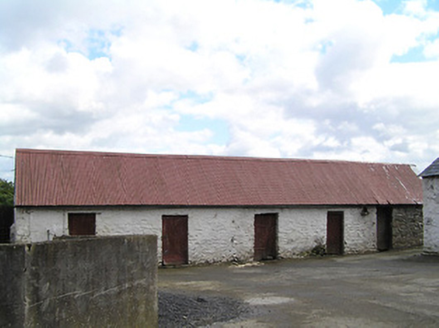
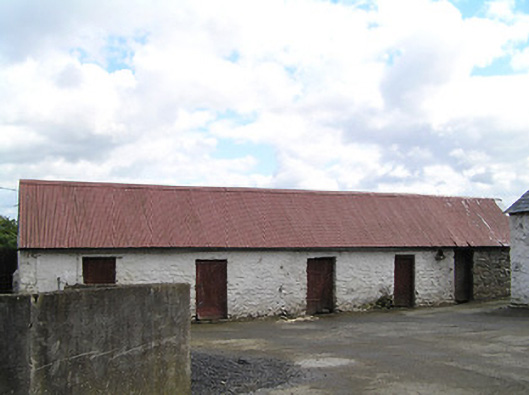
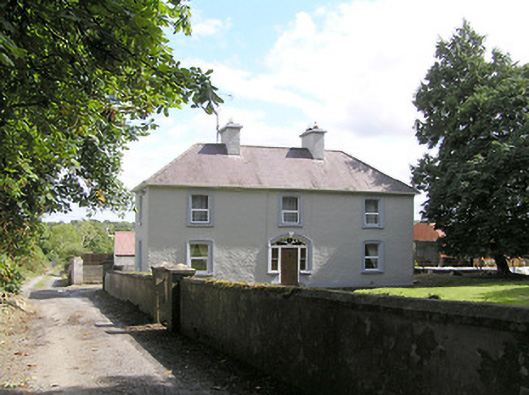
Detached three-bay two-storey house, built 1906, with recent extension to rear (southeast). Possibly incorporating the fabric of an earlier house to site. Hipped natural slate roof having two rendered chimneystacks. Painted roughcast rendered walls over smooth rendered plinth. Segmental-headed window openings having moulded render surrounds, stone sills, and replacement windows. Central segmental-headed door opening with moulded render surround with render keystone, overlight with heart motif and timber sliding sash windows to sidelights, with four panelled timber door with plinth blocks. Yard to rear (south) with five-bay single-storey outbuilding to east, having pitched corrugated-metal roof, rendered rubble stone walls and square-headed openings with timber battened doors. Three-bay single-storey outbuilding to the south side of yard with pitched natural slate roof, rendered rubble stone walls, and square-headed openings with timber battened doors and central segmental-headed carriage arch with brick voussoirs. Garden to front (north) has rendered boundary walls, rendered gate piers (on square-plan) with limestone capstones, and wrought-iron pedestrian gate. Entrance to field from driveway has rendered square-profile piers with moulded capstones, and wrought-iron double-leaf gates. No gates or piers to driveway entrance. House set back from road, with yard to rear, garden to front, and driveway to north side. Located to the northeast of Granard and the west of Aghnacliff.
Appraisal
The three-bay two-storey elevation with hipped roof is a recurring theme in rural Irish architecture, popular right up to the early-twentieth century. This example is notable for its nicely finished openings, with moulded render surrounds emphasising and enhancing the structure of the building. The large window and door openings are typical of the early-twentieth century, and the fanlight in particular is interesting, having an unusual heart motif. Although it has lost some of its fabric, it has an appropriate render and retains natural roof slates. It is enhanced and contextualised by the outbuildings to the yard to the rear, and a garden wall with attractive wrought-iron pedestrian gate. The form of this building, with a long low front façade with widely-spaced openings, suggests that it might contain earlier fabric. This building is an interesting addition to the built heritage of north County Longford, with the attractive wrought-iron gates and the simple outbuildings to the rear adding substantially to its setting.