Survey Data
Reg No
13400405
Rating
Regional
Categories of Special Interest
Architectural
Original Use
Outbuilding
In Use As
Outbuilding
Date
1780 - 1820
Coordinates
212170, 284224
Date Recorded
26/07/2005
Date Updated
--/--/--
Description
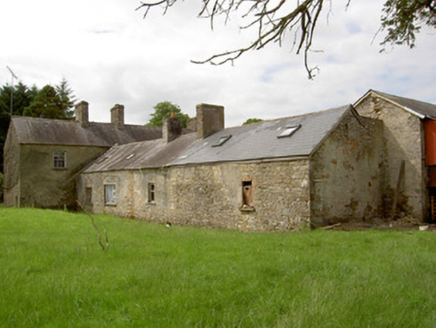
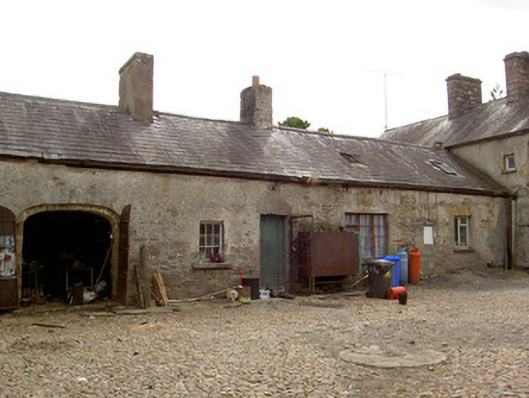
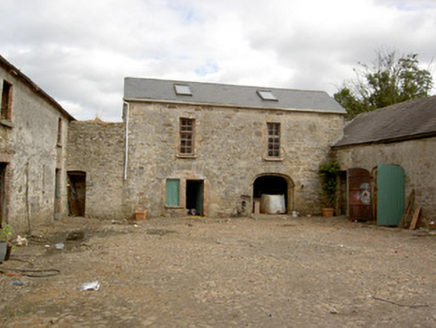
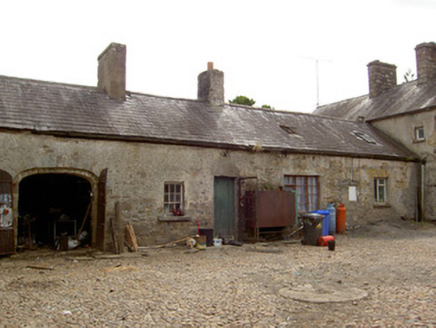
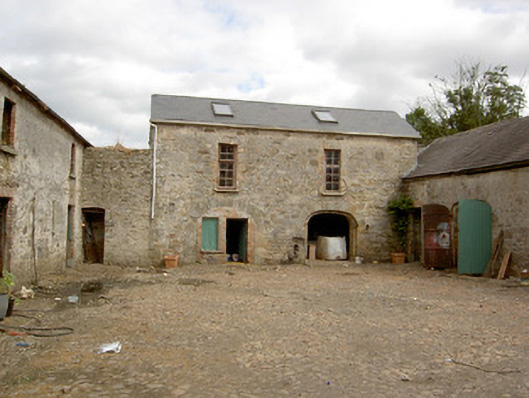
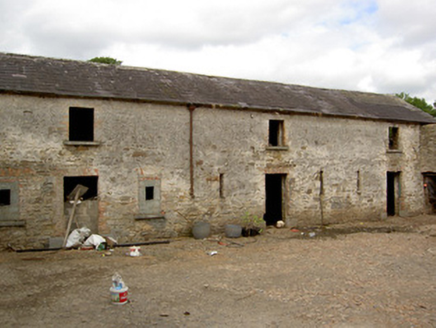
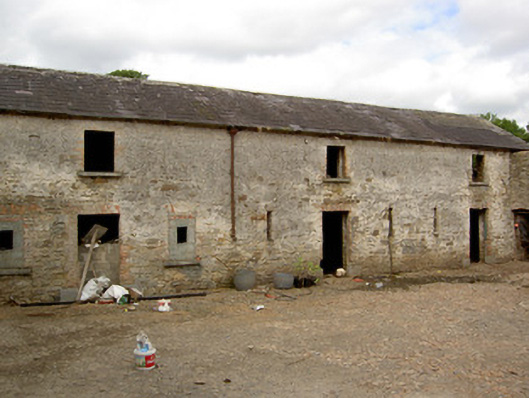
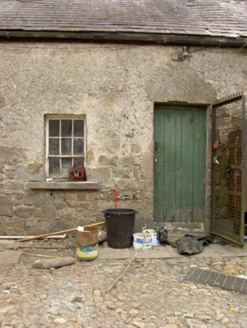
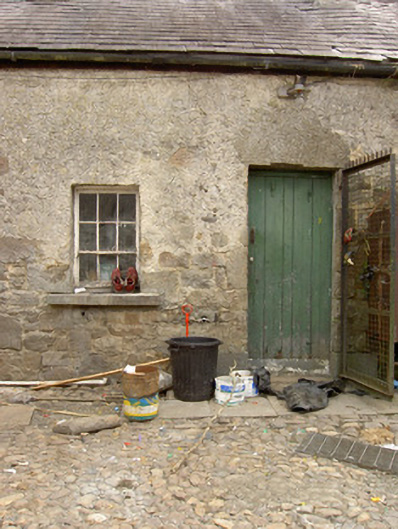
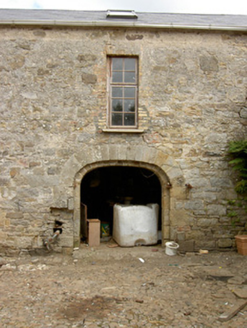
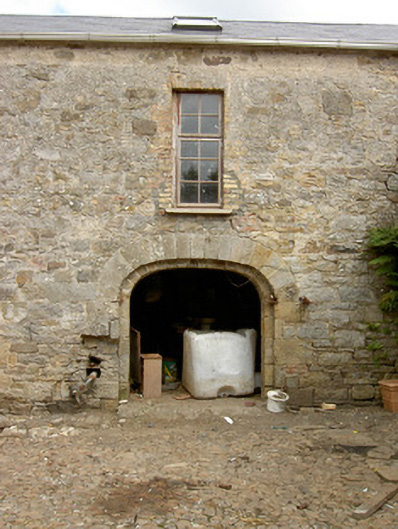
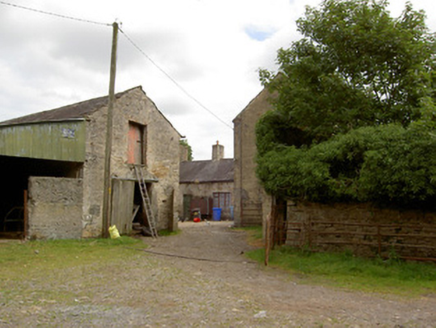
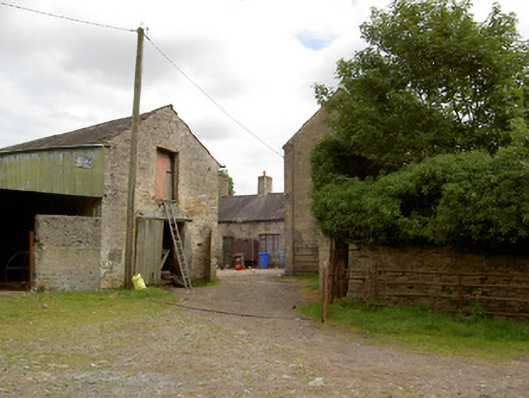
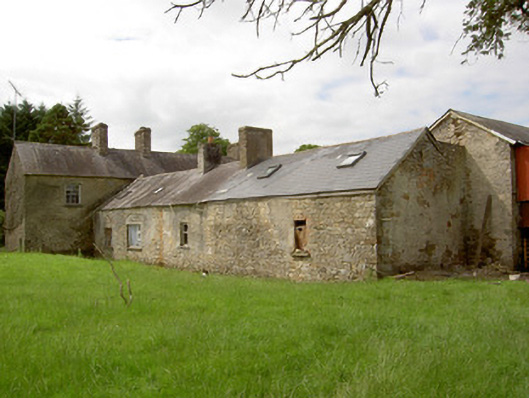
Complex of outbuildings arranged around a courtyard to the rear (north) of The Hermitage (13400404), built c. 1800, comprising single-storey range to the east (c. 1800), two-storey range to the east (c. 1800) and a two-bay two-storey former coach house (c. 1840) to the north. Cobbled surface to courtyard. Range to the east now partially in use as domestic accommodation (extension of house). Hipped natural slate roof to ranges to the east and west, replacement artificial slate roof with rooflights to range to the north. Yellow brick and rendered chimneystacks to the range to the east. Some remaining sections of cast-iron rainwater goods. Rubble stone construction with surviving sections of lime roughcast render over. Square-headed window openings, some now with exposed brick reveals, to range to the east having three pane timber sliding sash or replacement timber casement windows. Limestone sills to most window openings. Replacement windows to range to north at first floor level. Window fittings missing to range to the west, some now infilled with blockwork. Square-headed doorways with timber battened doors. Exposed brick reveals to some doorways, particularly to the west range. Two segmental-arched carriage arch openings to north range having cut sandstone voussoirs; carriage arch to the west now infilled with brick with square-headed window and door openings. Segmental-headed carriage arch to the north end of the range to the east having cut stone voussoirs and timber battened double doors. Main entrance to yard to the southwest corner of complex, adjacent to house. Set within extensive mature grounds close to the border with County Leitrim.
Appraisal
An appealing complex of rubble stone outbuildings associated with The Hermitage (13400404), which retains it early form and character despite some recent alterations. The survival of many interesting features and materials enhance the architectural heritage significance of the group. This complex appears to have been built in separate phases with the structures to the east and the west predating the two-storey building to the north. These outbuildings are of significance as they provide an insight into the agricultural activities associated with the running of a small-scale country estate during the nineteenth century. They form part of a good group with the main house and are integral elements of the architectural heritage of the local area.