Survey Data
Reg No
13400404
Rating
Regional
Categories of Special Interest
Architectural
Original Use
House
In Use As
House
Date
1760 - 1800
Coordinates
212180, 284199
Date Recorded
26/07/2005
Date Updated
--/--/--
Description
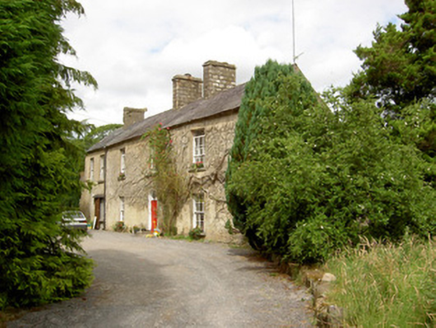
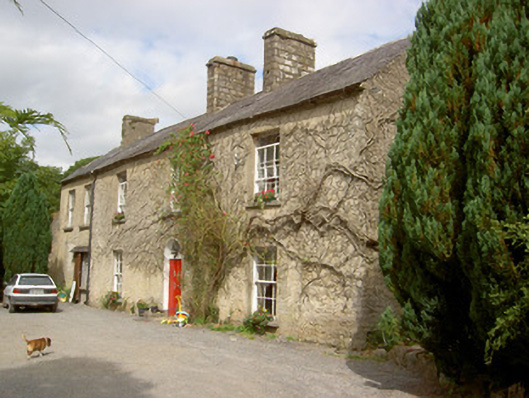
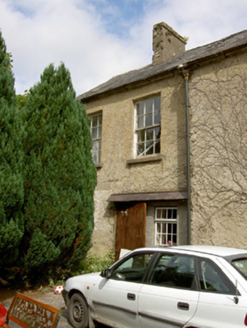
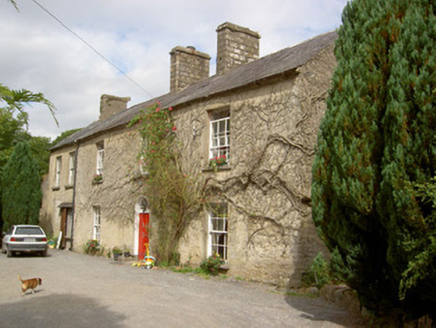
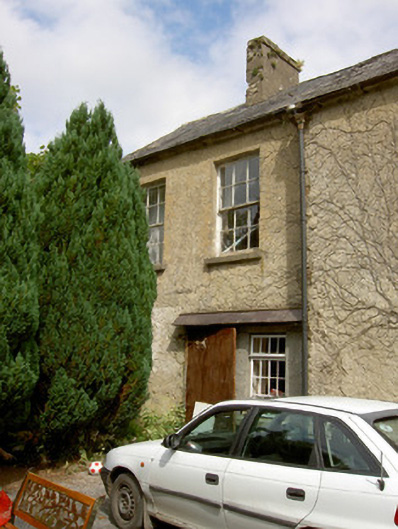
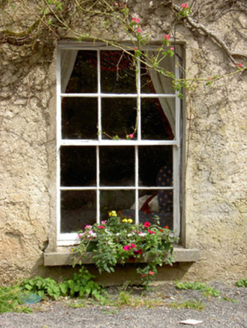
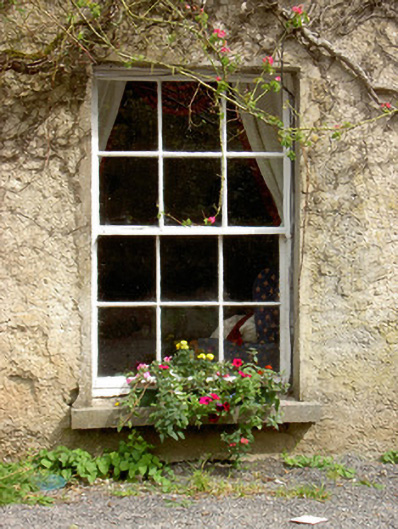
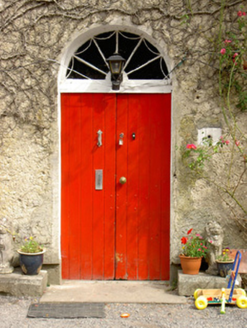
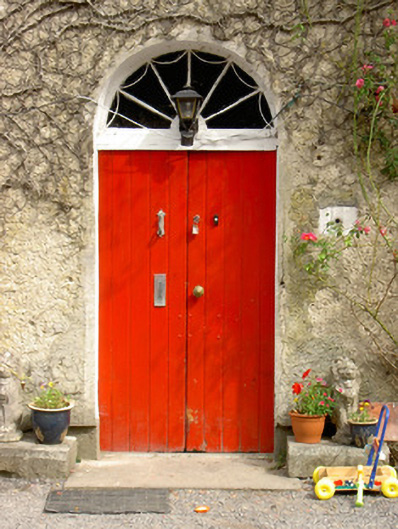
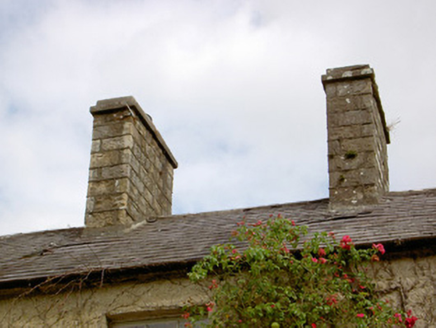
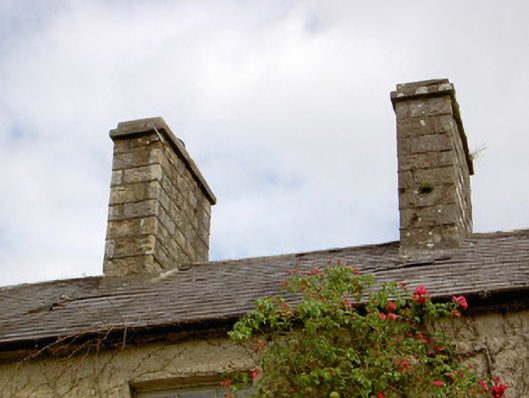
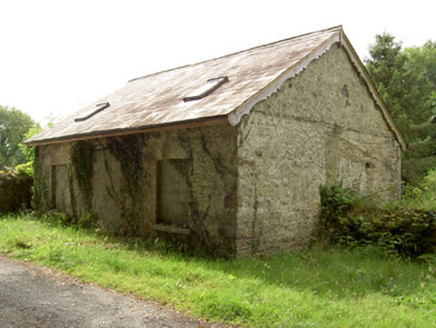
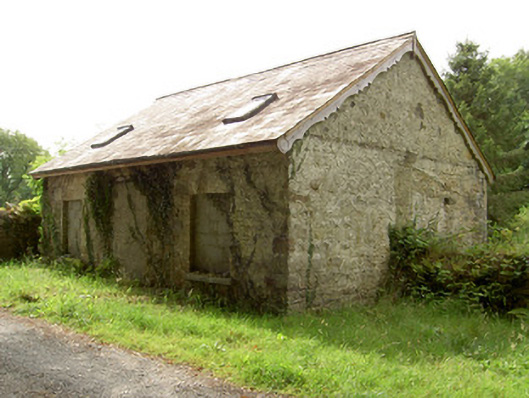
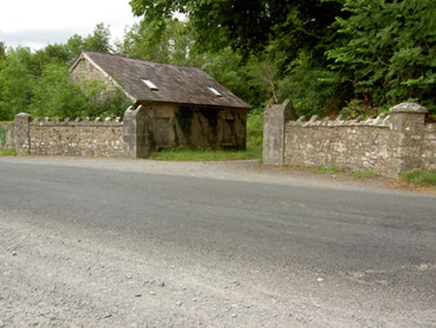
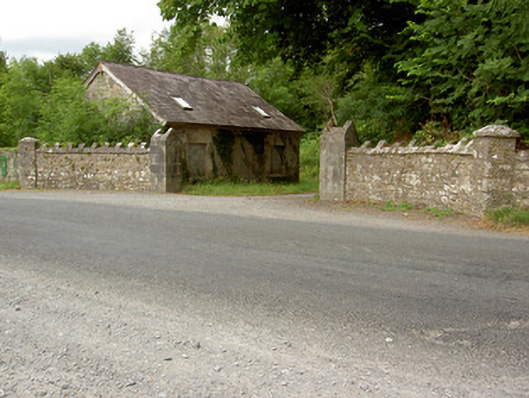
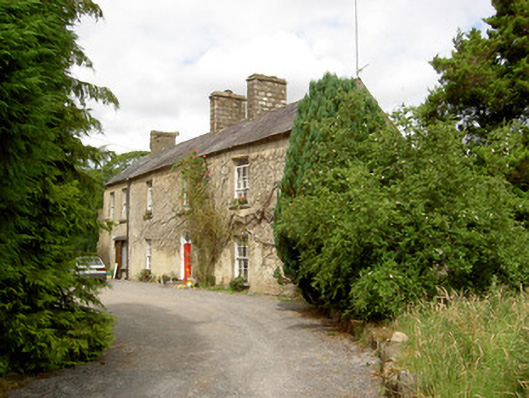
Detached three-bay two-storey house, built c. 1780, with two-bay two-storey extension to the west added c. 1840. Possible containing the fabric of an earlier building. Single-storey range/former outbuilding attached to the rear (north). Pitched natural slate roof with three chimneystacks, two cut stone chimneystacks to the east and a rendered chimneystack to the west. Cast-iron rainwater goods. Roughcast lime rendered walls. Square-headed window openings with six-over-six pane timber sliding sash windows and tooled limestone sills. Round-headed door opening, central to original building, with double-leaf timber battened door having a spider’s web fanlight over. Complex of outbuildings (13400405) to the rear (north). Main gateway to the southeast of house, comprising a pair of dressed limestone gate piers (on square-plan) having pointed coping stones over. Gateway flanked to either side by sections of rubble stone walling with pointed dressed limestone coping stones, and terminated by rubble limestone gate piers on square-plan. Rubble limestone boundary wall to road-frontage. Cast-iron post box (13400801) built into wall to the southwest side of gateway. Altered three-bay single-storey gate lodge located inside gates, to the west of the gateway. House situated in extensive mature grounds to north of County Longford, close to the border with County Leitrim.
Appraisal
An attractive middle-sized house that retains much of its early character and form. This appealing building is enlivened by the retention of much of its fabric, including timber sash windows, spider’s web fanlight to the doorway, natural slate roof and roughcast lime render. The unusual proportions and massing of the building indicate that it has witnessed a number off phases of construction and may contain earlier fabric. The door fanlight was probably added during the early-nineteenth century, possibly at the same time the wing to the west was added. This building forms an interesting pair of related structures with the complex of outbuildings (134004005) to the rear. The simple but well-crafted gateway and boundary wall to the southeast complete the setting and add substantially to this composition. The altered gate lodge provides historic context to the site. The Hermitage was the home of a T. H. Ellis, Esq., in 1837 (Lewis), and possibly of a Tobias Peyton, Esq., in 1881 (Slater’s Directory).