Survey Data
Reg No
13400202
Rating
Regional
Categories of Special Interest
Architectural, Technical
Original Use
House
In Use As
House
Date
1780 - 1820
Coordinates
219423, 292279
Date Recorded
09/08/2005
Date Updated
--/--/--
Description
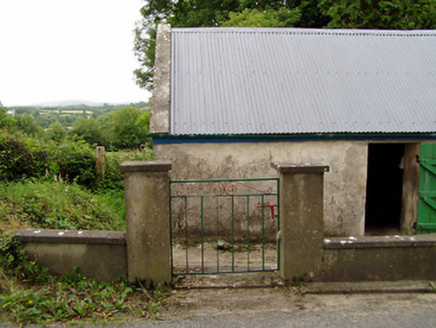
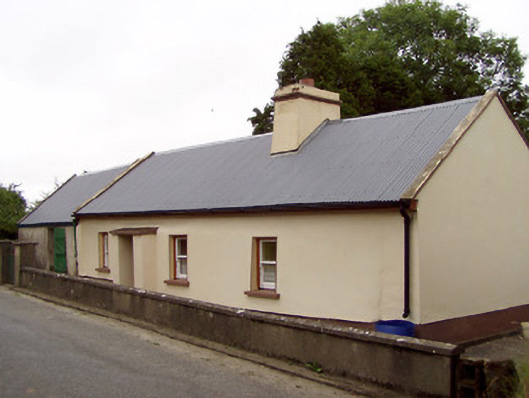
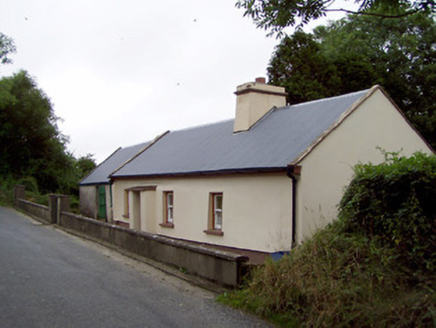
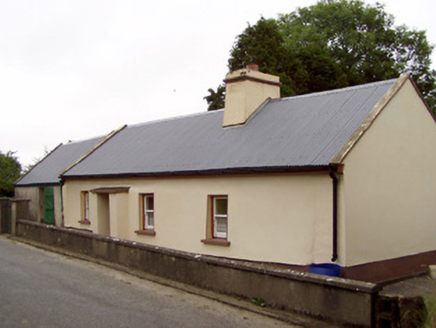
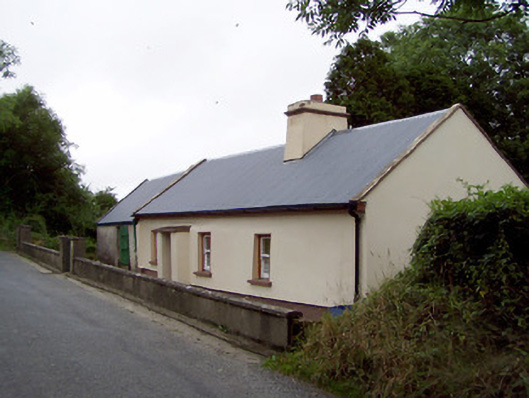
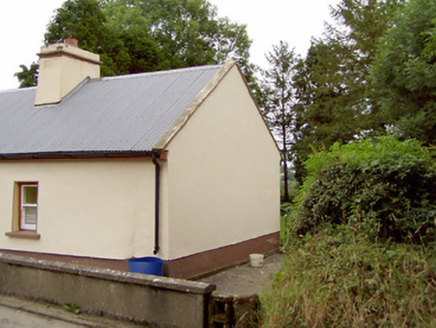
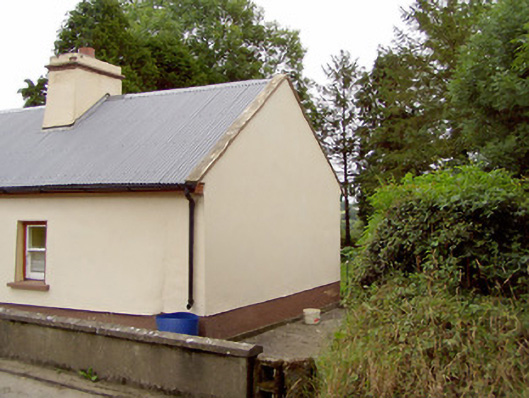
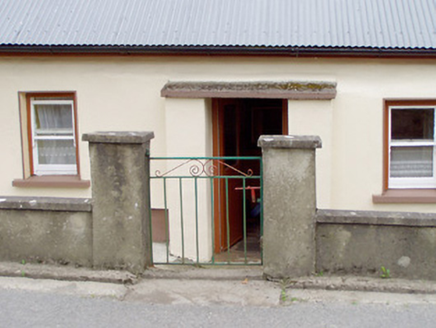
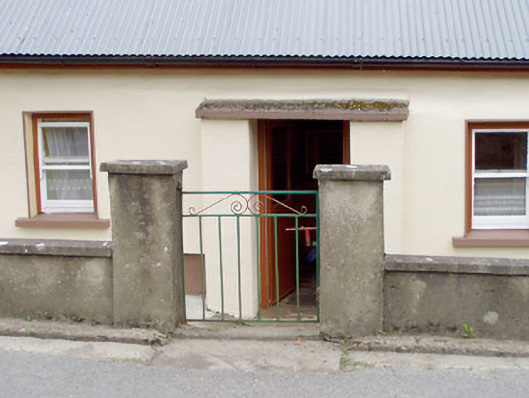
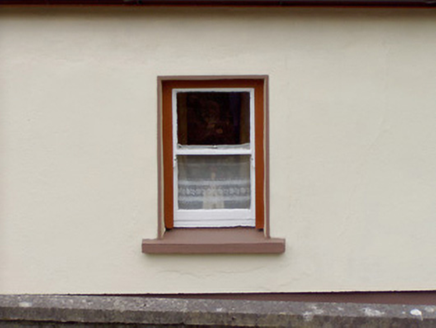
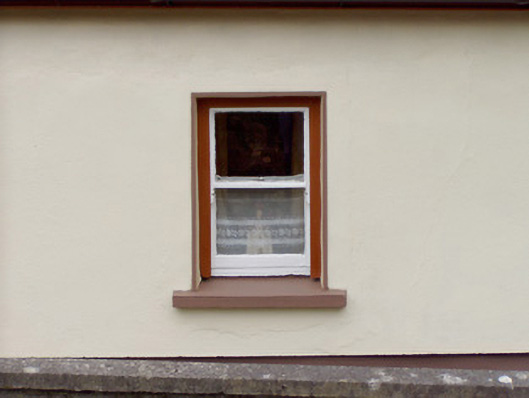
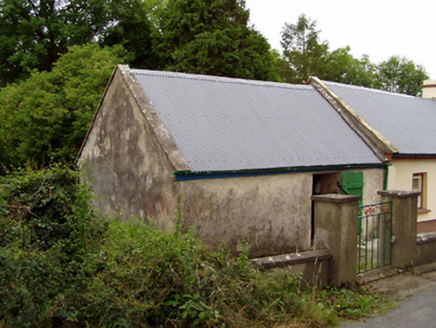
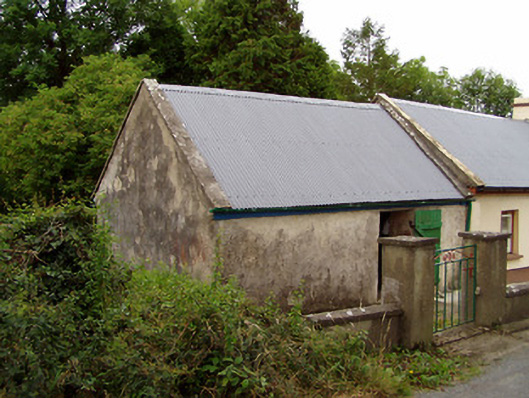
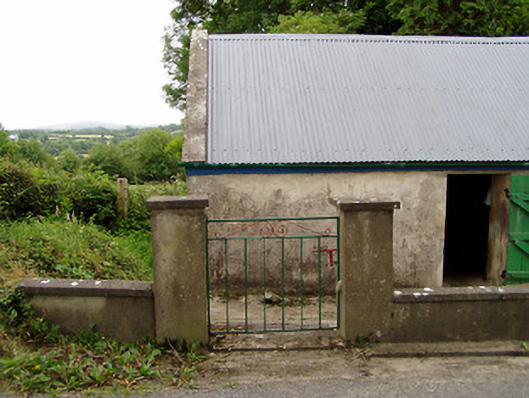
Detached four-bay single-storey vernacular house, built c. 1800, having windbreak to front elevation (north) and outbuilding extension attached to the east gable end (aligned with house). Pitched corrugated-metal roof with raised rendered verges to either gable end. Single rendered chimneystack, offset to west side of centre of roof, having rendered string course detailing. Battered smooth rendered walls over smooth render plinth course. Square-headed window openings having one-over-one pane timber sliding sash windows with painted stone sills. Windbreak porch having square-headed half-glazed timber panelled door. Square-headed doorway to outbuilding extension having battened timber door. Set slightly back from road to the north of Ballinamuck. Rendered boundary wall to road-frontage. Pair of rendered gate piers on square-plan to the east end of boundary wall having single leaf wrought-iron or mild steel gate. Second pair of gates piers located to the east end of the boundary wall.
Appraisal
This vernacular house retains much of its early character and structure. The roof is steeply pitched, which suggests the house may once have been thatched. It is now roofed with corrugated-metal, which widely replaced thatch as a vernacular roofing material in Ireland during the late-nineteenth and early-twentieth centuries. The position of the chimneystack suggests that it has/had the lobby-entry plan that is characteristic of the vernacular architecture of the midlands. The house retains interesting features such as the timber sash windows, stone sills and the windbreak porch. The slightly battered walls suggest that this building may be of some antiquity. Prominently sited, the house makes a positive contribution to the rural landscape to the north of Ballinamuck, and represents an integral element of the vernacular architectural heritage of north County Longford.