Survey Data
Reg No
13312024
Rating
Regional
Categories of Special Interest
Architectural
Previous Name
Quinn
Original Use
House
In Use As
House
Date
1880 - 1901
Coordinates
220262, 268590
Date Recorded
04/08/2005
Date Updated
--/--/--
Description
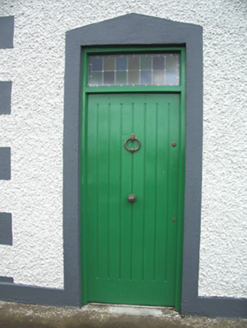
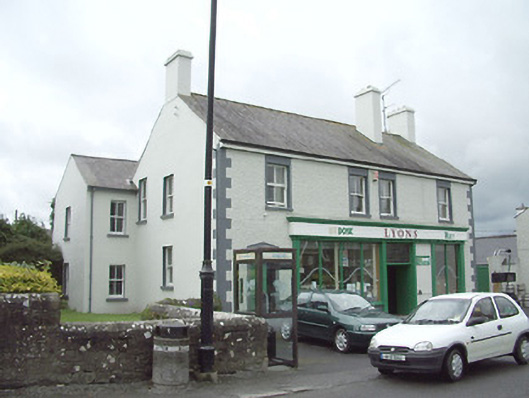
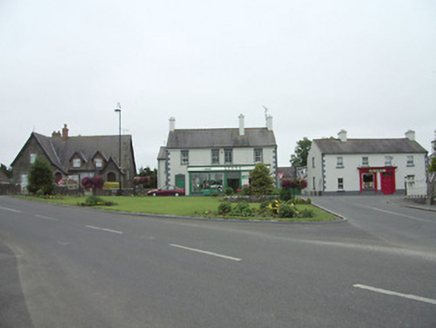
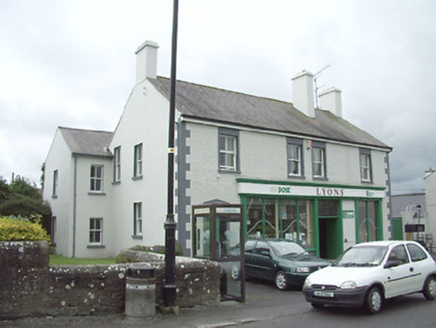
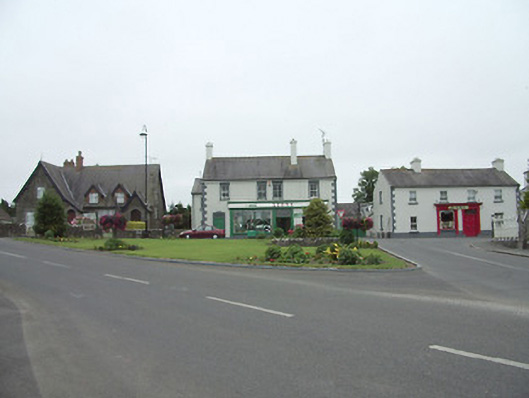
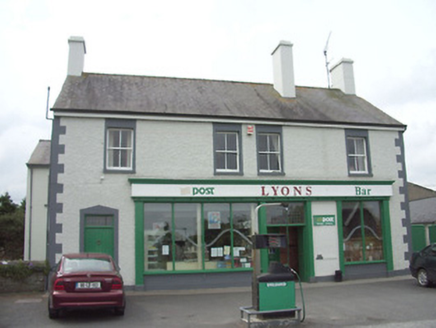
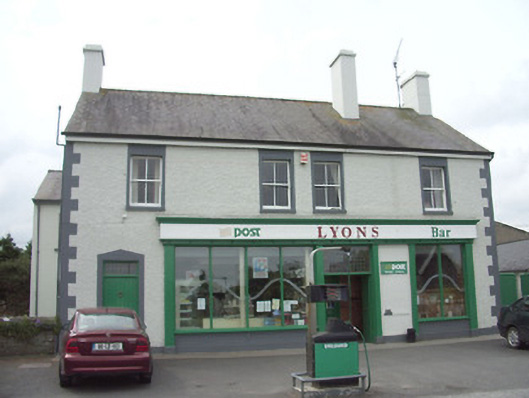
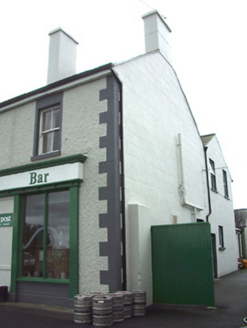
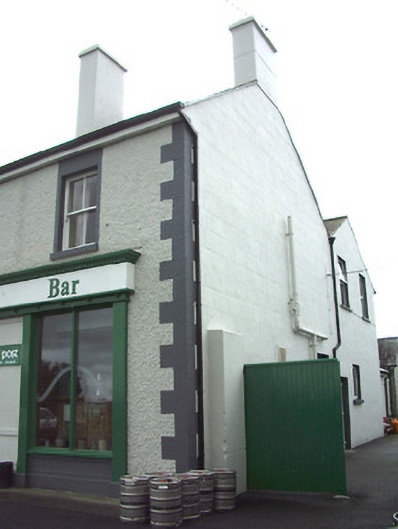
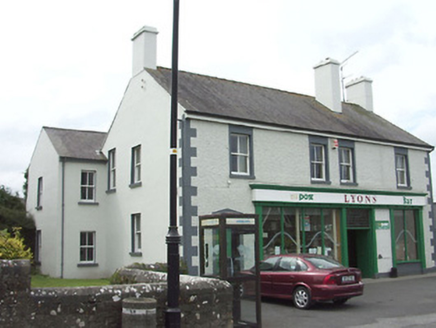
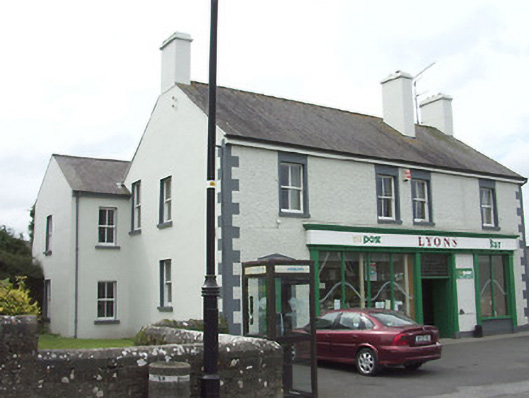
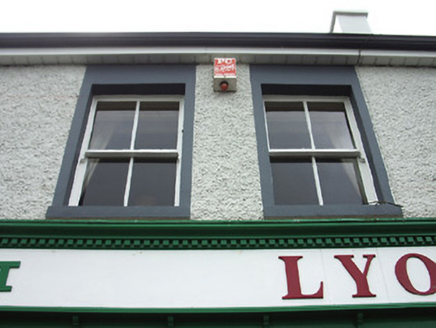
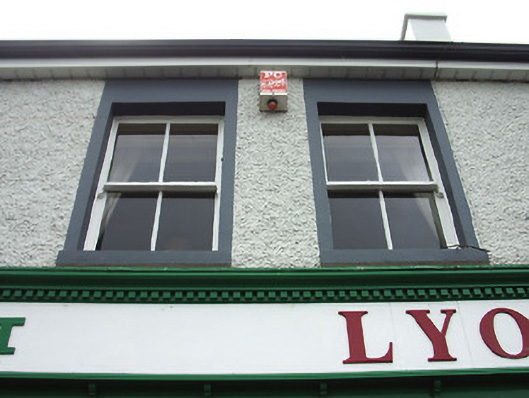
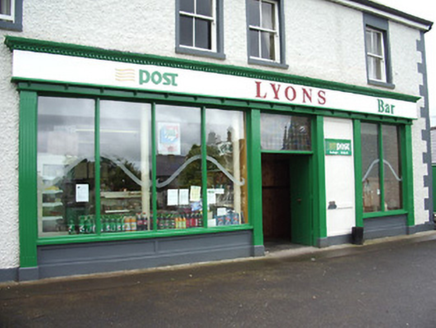
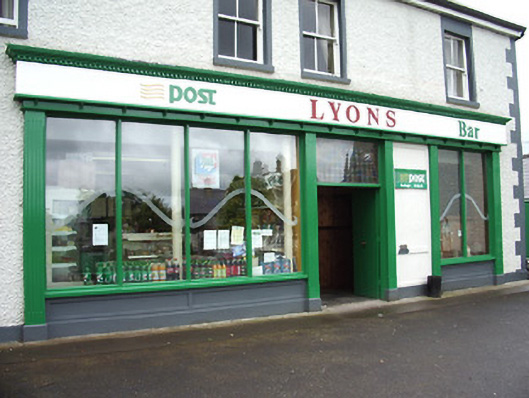
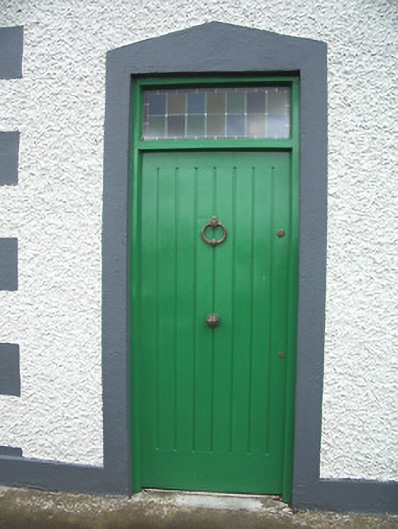
Detached three-bay two-storey house, extant 1901, on a rectangular plan with replacement shopfront to ground floor; four-bay two-storey lower parallel block (south). Pitched slate roof with ridge tiles, rendered chimney stacks having stringcourses below capping supporting terracotta pots, and replacement uPVC rainwater goods on boxed eaves; pitched slate roof (south) with ridge tiles, and cast-iron rainwater goods on rendered eaves with cast-iron octagonal hoppers and downpipes. Roughcast wall to front (north) elevation on rendered plinth with rendered flush quoins to corners; rendered, ruled and lined walls (remainder). Square-headed window openings including paired square-headed central window openings with sills, and rendered flush surrounds framing two-over-two timber sash windows. Square-headed window openings (south) with sills, and concealed dressings framing two-over-two timber sash windows. Road fronted.
Appraisal
A house representing an integral component of the late nineteenth-century built heritage of Ardagh with the compact rectilinear footprint and the slight diminishing in scale of the widely-spaced openings on each floor contributing to its architectural interest. The survival of much original fabric, including evidence of internal joinery, contributes to its historic character. The house occupies the site of a thatched house included in a streetscape (1836) by Thomas Creswick (1811-69) which, as an engraving by Edward Francis Finden (1791-1857), was used to illustrate the third volume of The Miscellaneous Works of Oliver Goldsmith (1837). The house was built by Elizabeth "Lizzie" Quinn (1843-1923) who eschewed the snecked cut stone, the lattice glazing patterns and the multi-gabled rooflines of the picturesque estate village developed (1860-4) by Sir Thomas John Fetherston (1824-69) and the dowager Lady Frances Elizabeth Fetherston (née Solly) (1800-65) in favour of cost-effective detailing and finishes. The original shopfront was captured by early photographers and, symmetrical in design, it carried the name of the proprietress over the central doorway.