Survey Data
Reg No
13312023
Rating
Regional
Categories of Special Interest
Architectural, Artistic
Previous Name
Keogh
Original Use
House
In Use As
House
Date
1800 - 1836
Coordinates
220243, 268599
Date Recorded
22/07/2005
Date Updated
--/--/--
Description
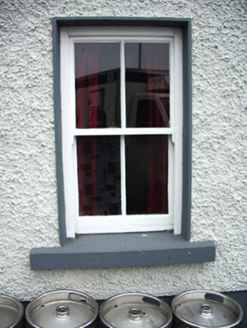
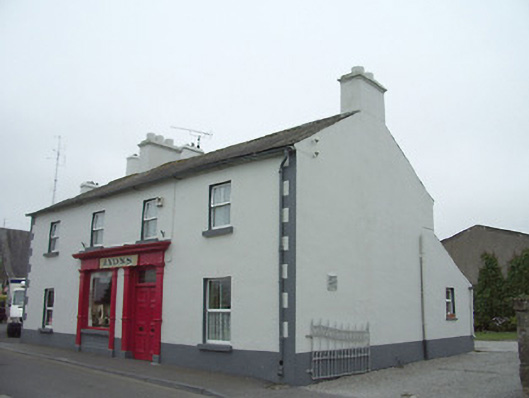
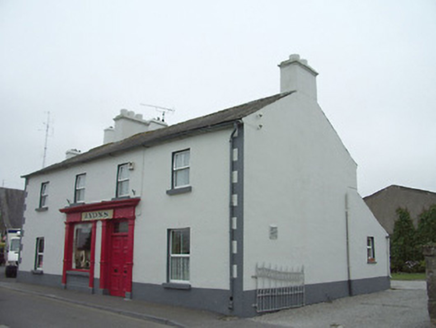
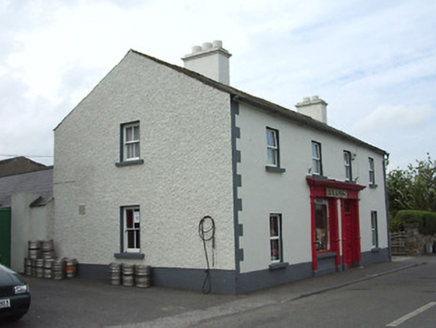
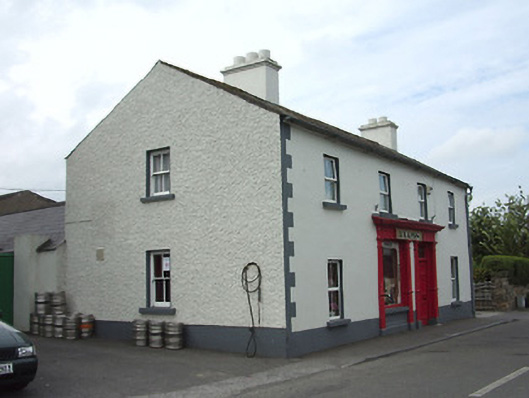
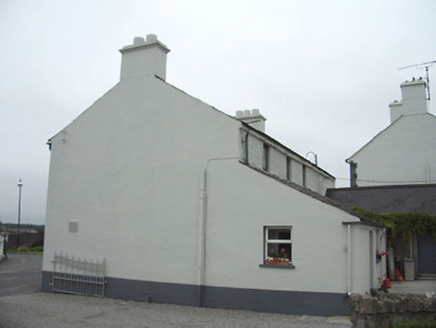
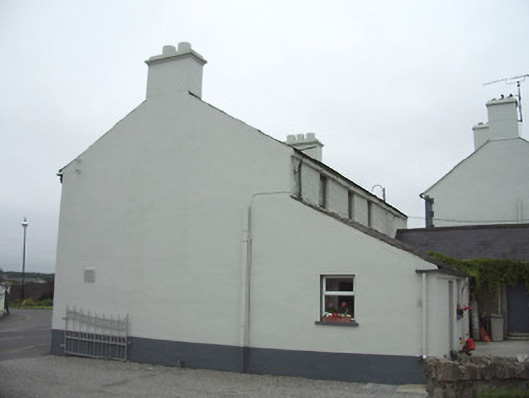
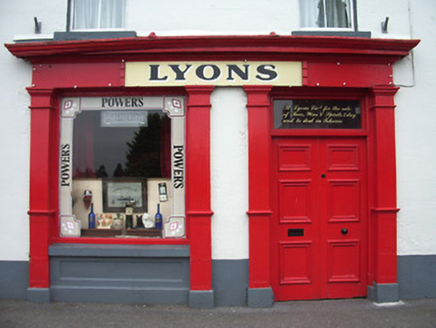
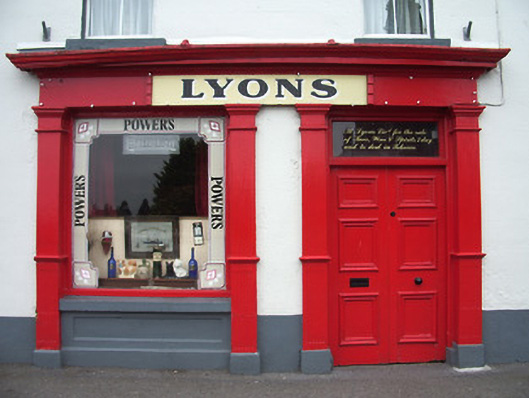
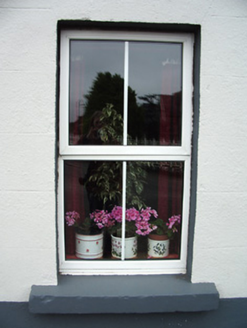
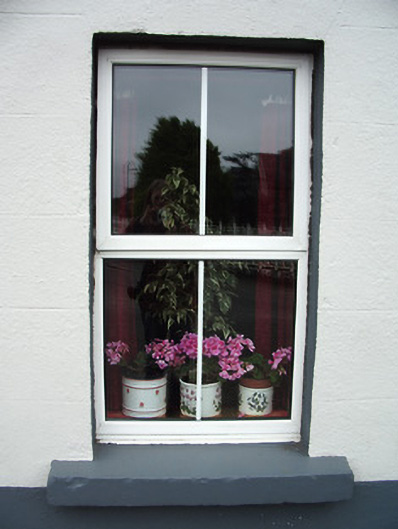
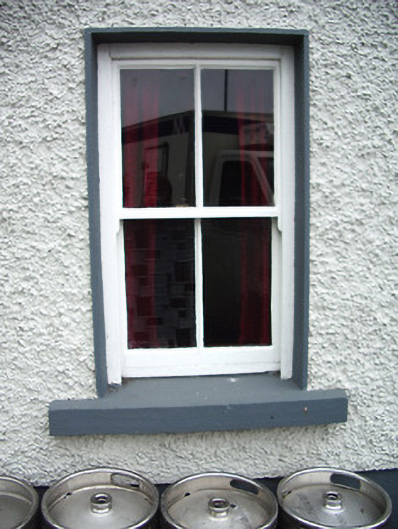
Detached four-bay two-storey house, extant 1836, on a rectangular plan originally forming part of six-bay two-storey house with shopfront to ground floor. Pitched slate roof with ridge tiles, rendered chimney stacks having corbelled stepped stringcourses below capping supporting terracotta pots, and cast-iron rainwater goods on rendered cut-limestone eaves. Rendered, ruled and lined wall to front (north) elevation; roughcast walls (remainder). Shopfront to ground floor with pilasters on fluted pedestals on plinths supporting ogee cornice on frieze. Square-headed window openings with drag edged cut-limestone sills, and concealed dressings framing replacement uPVC casement windows replacing two-over-two timber sash windows. Square-headed window openings (east) with sills, and concealed dressings framing two-over-two timber sash windows having exposed sash boxes. Road fronted.
Appraisal
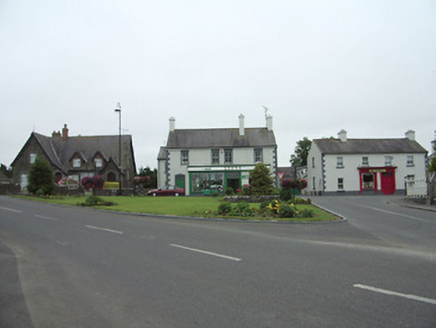
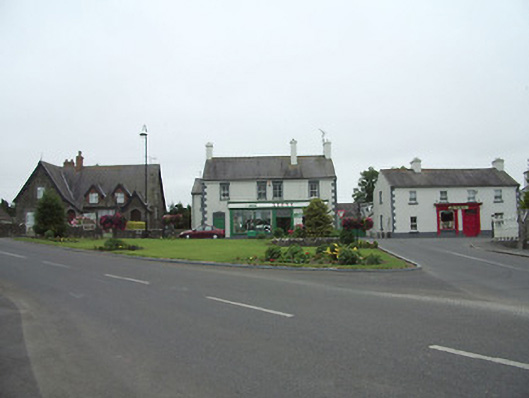
A house surviving as an interesting relic of the original Ardagh before its transformation as a picturesque estate village (1860-4) by Sir Thomas John Fetherston (1824-69) and the dowager Lady Frances Elizabeth Fetherston (née Solly) (1800-65): the house, originally six windows wide, is included in a streetscape (1836) by Thomas Creswick (1811-69) which, as an engraving by Edward Francis Finden (1791-1857), was used to illustrate the third volume of The Miscellaneous Works of Oliver Goldsmith (1837). The compact plan; the gently tapering silhouette; and the slight diminishing in scale of the openings on each floor producing a graduated visual impression, all contribute to its architectural interest. The traditional shopfront, making extensive use of Classical detailing, is a very good example of a type once ubiquitous in Irish towns and villages but now increasingly endangered.