Survey Data
Reg No
13001026
Rating
Regional
Categories of Special Interest
Architectural, Artistic
Original Use
House
In Use As
House
Date
1840 - 1850
Coordinates
213268, 276056
Date Recorded
01/09/2005
Date Updated
--/--/--
Description
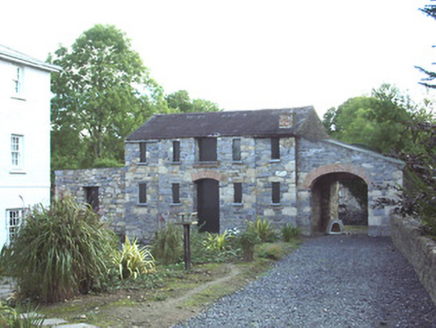
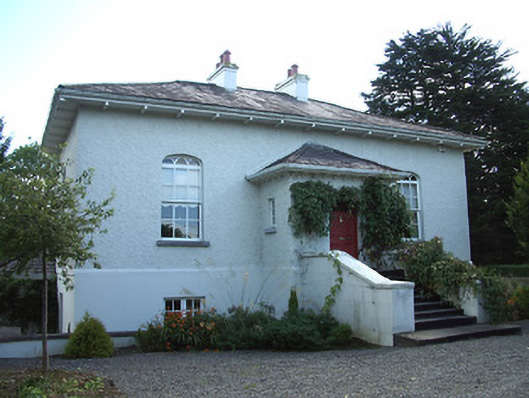
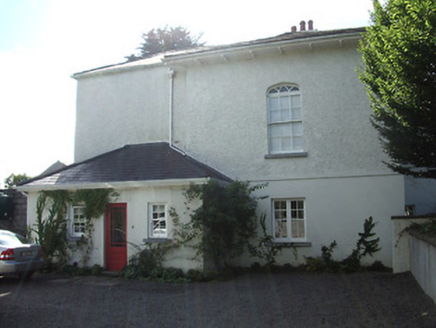
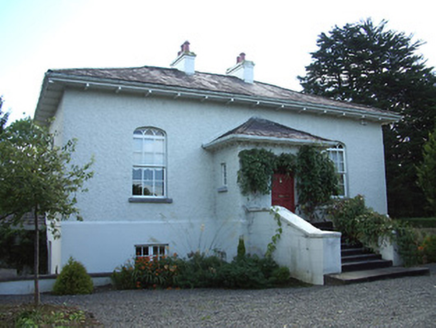
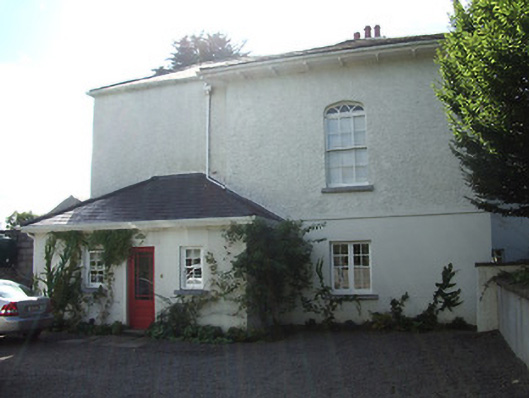
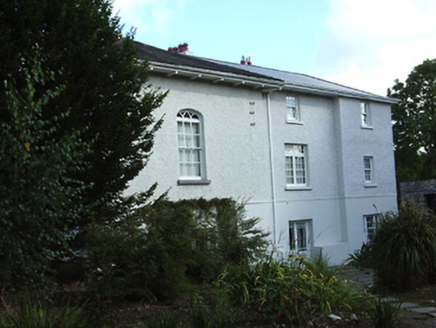
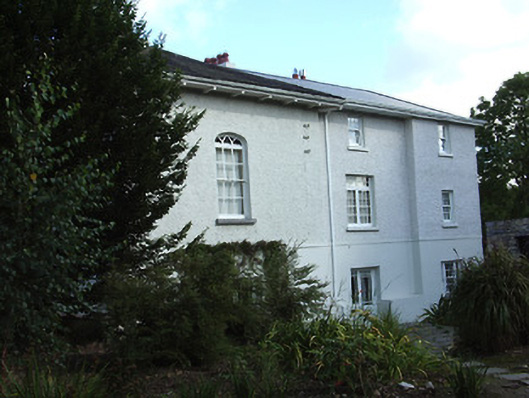
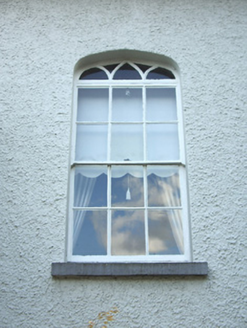
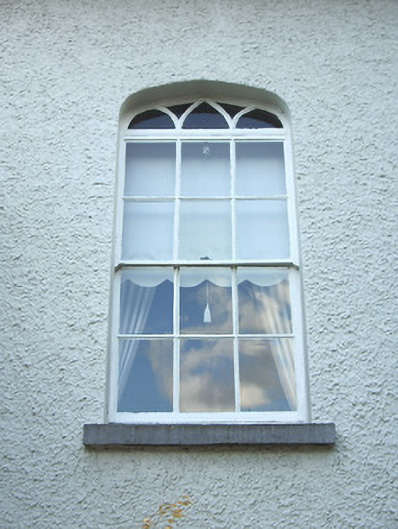
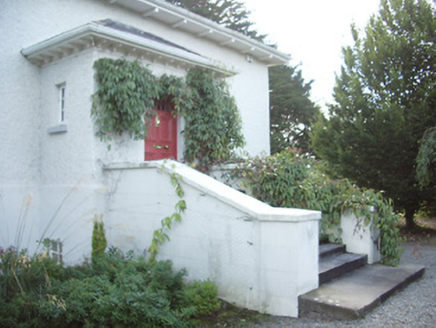
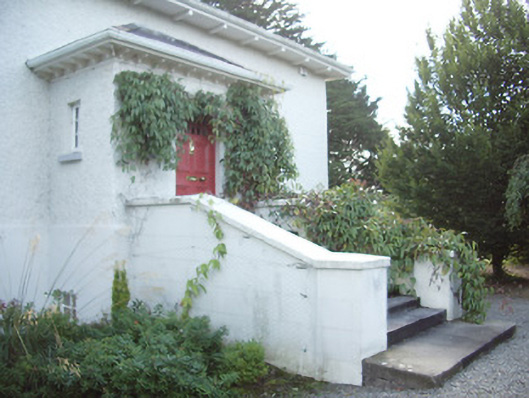
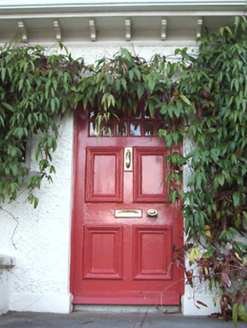
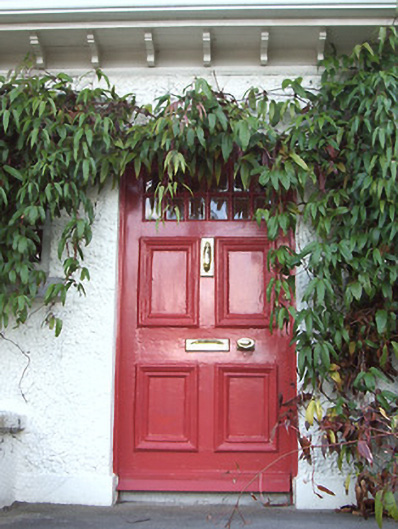
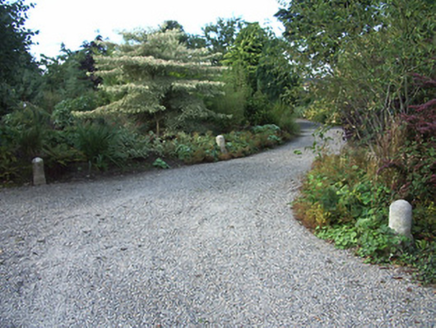
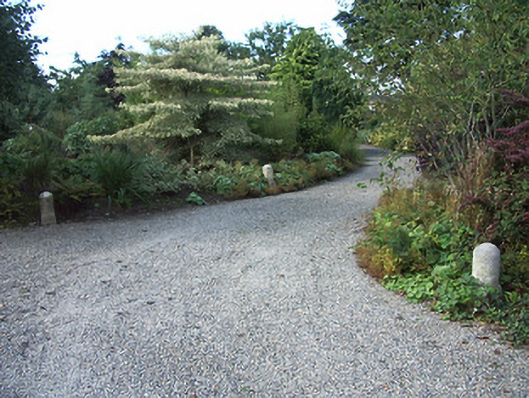
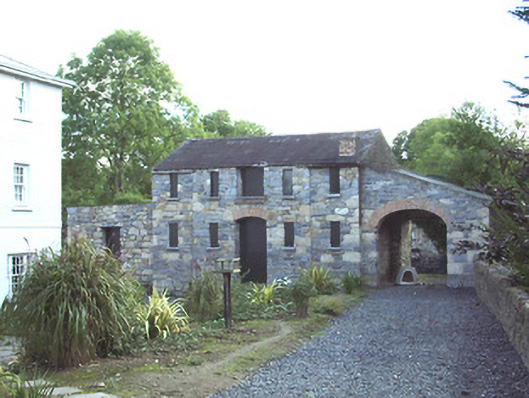
Detached three-bay single-storey over basement house, built c. 1845, with single-storey entrance porch to the centre of the main façade (west), three-storey extension to rear (east) and with a three-bay single-storey entrance porch to the north elevation. Hipped natural slate and artificial slate roofs with overhanging bracketed eaves. Central pair of rendered chimneystacks and cast-iron rainwater goods. Painted roughcast rendered walls to ground/upper floor, painted smooth rendered walls to basement. Pointed segmental-headed windows to ground floor openings with six-over-six pane timber sliding sash windows with decorative heads, square-headed window openings to the basement openings. Square-headed doorway to porch having a glazed timber panelled door. Doorway approached by a flight of steps flanked by parapet walls with lined-and-ruled smooth render finish. Five-bay two-storey outbuilding to rear with central three-bay breakfront, pitched natural slate roof, random rubble stone walls and square-headed openings. Lean-to roof with segmental carriage arch attached to south end of outbuilding. Random rubble stone gate piers with cut stone coping over having wrought and cast-iron double leaf gates to road-frontage (west). Carved stone bollards to driveway to west of house. Situated in landscaped gardens to the north of Longford Town. Carved stone bollards to driveway to west of house.
Appraisal
This attractive villa style mid nineteenth-century house retains its early character and charm. It is of a type/form that was commonly built in the expanding suburbs of the large cities and towns, particularly Dublin, during the early-to-mid nineteenth century but which is relatively uncommon in the midlands. The relative simplicity of its form is enlivened with fine examples of craftsmanship, including the joinery of the pointed segmental-headed timber sash windows, while the symmetry is visually pleasing. In scale and form this house fits in with the character of the streetscape, and its sympathetic maintenance allows this contribution to continue. The substantial and unusual outbuilding, the entrance gates and the bollards to the driveway complete the setting of this fine composition. Carton Hall previously had a gate lodge located to the south side of the entrance gates (Ordnance Survey third edition six-inch map, dated 1914), now no longer extant. The proximity of this house to Longford Barracks hints that it may have been originally constructed for a British Army Officer.