Survey Data
Reg No
13001004
Rating
Regional
Categories of Special Interest
Architectural
Original Use
House
In Use As
House
Date
1895 - 1900
Coordinates
213271, 276361
Date Recorded
01/09/2005
Date Updated
--/--/--
Description
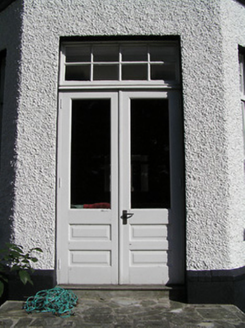
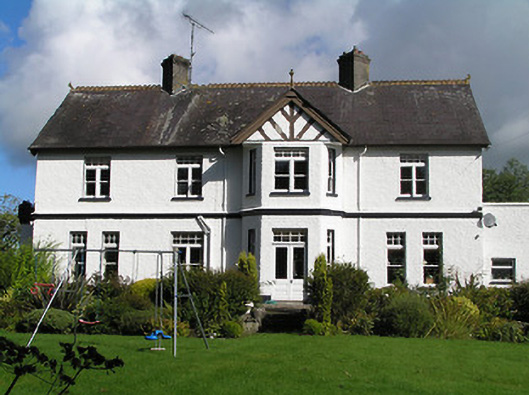
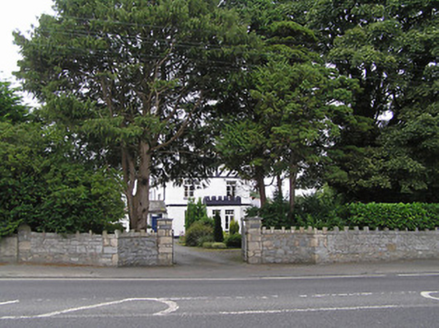
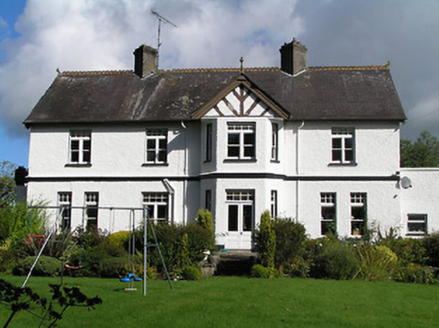
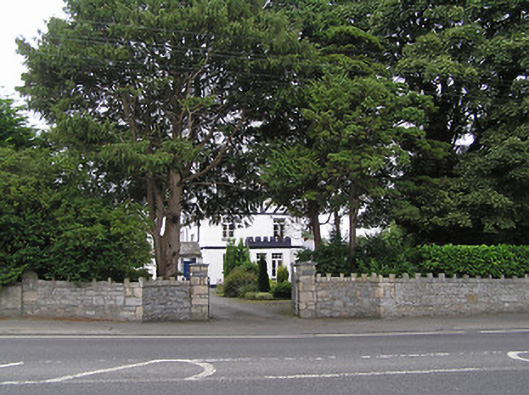
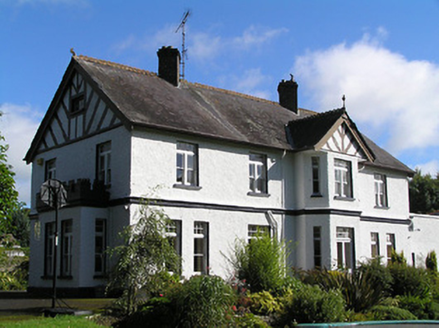
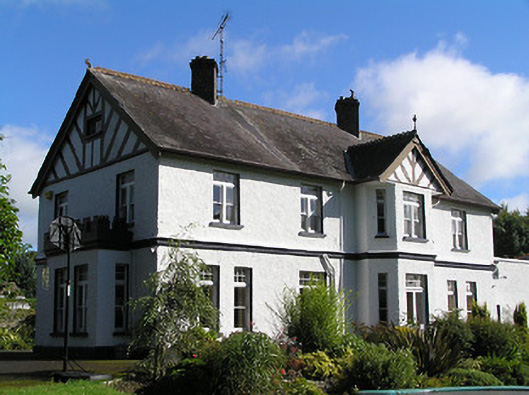
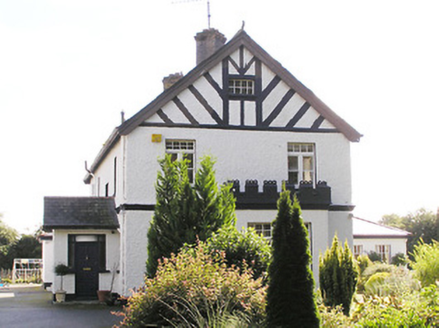
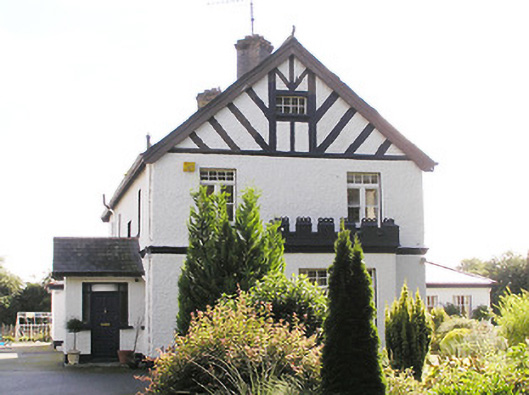
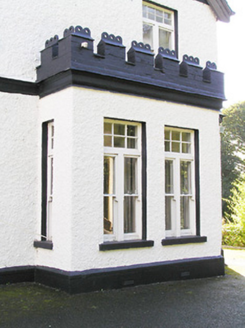
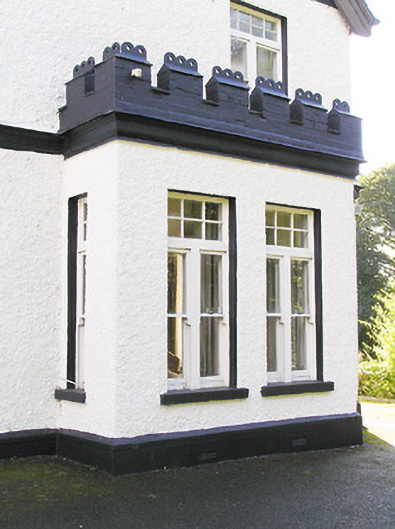
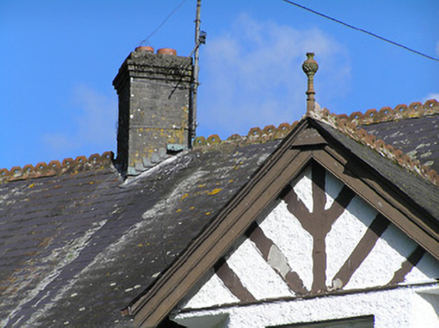
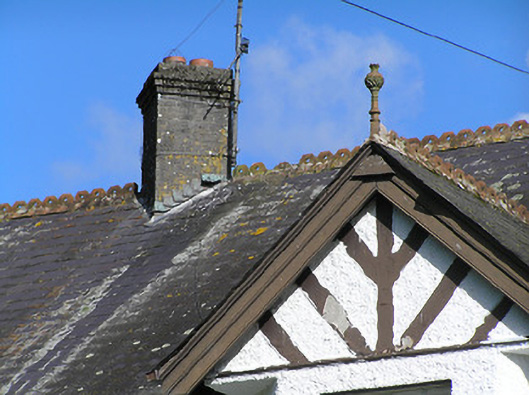
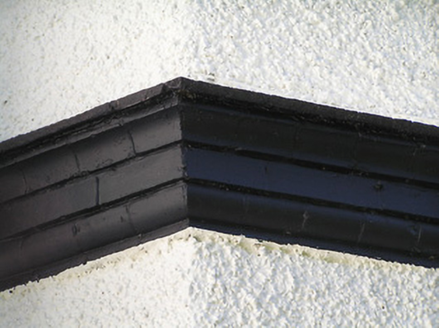
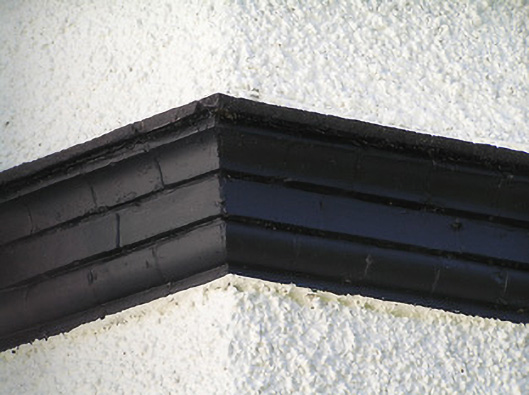
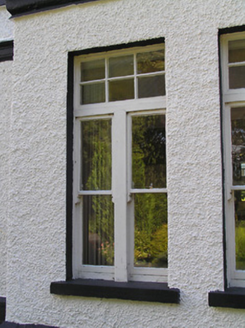
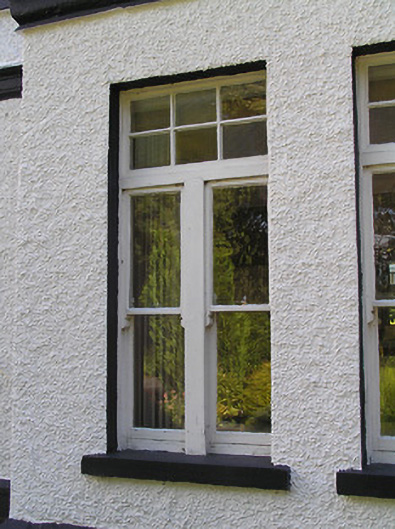
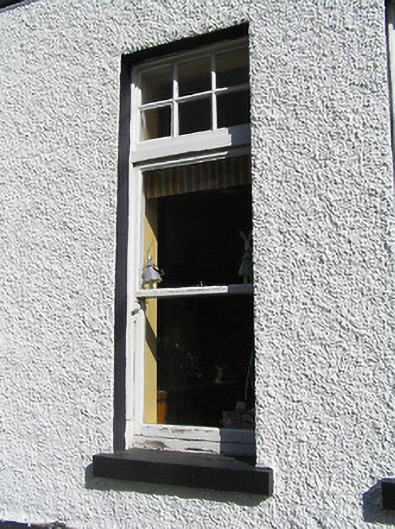
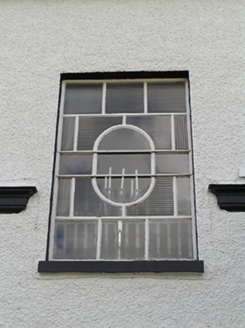
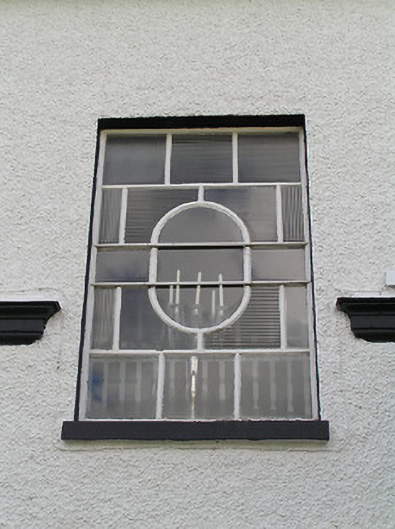
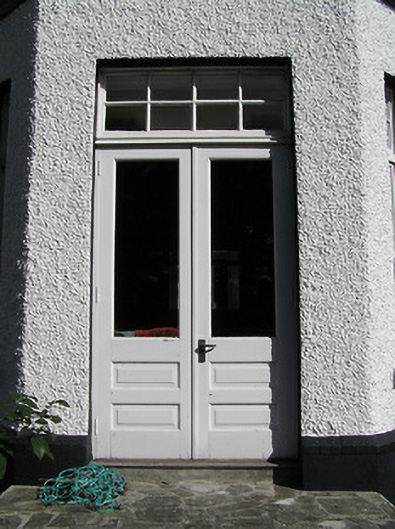
Detached four-bay two-storey house with attic level, built in 1896, having a canted single-bay gabled breakfront to the centre of the front elevation, single-bay single-storey box bay window with crenellations to the west gable end, recent porch addition to rear (north) elevation with pitched artificial slate roof and multiple recent multiple-bay single-storey extensions to east gable. Pitched artificial slate roofs with terracotta ridge crestings and finials, two diagonally-set brick chimneystacks, cast-iron rainwater goods and timber bargeboards. Painted roughcast rendered walls over smooth rendered plinth and with a moulded brick string course at first floor level. Mock half timbering to gable ends and to projecting breakfront at gable level. Square-headed window openings with tooled limestone sills and having one-over-one pane timber sliding sash windows, some bipartite and some paired, all with quarrel glazed overlights. Square-headed window opening with leaded textured glass to stairwell to rear elevation. Square-headed doorway to canted projection having half-glazed timber double-doors with multi-paned overlight. Set back from road, aligned at a right-angle to road alignment, in extensive grounds to the north of Longford Town. Square-profile dressed stone piers with replacement gates and crenellated rubble stone boundary walls to road-frontage (west).
Appraisal
An attractive house with some Arts and Crafts influences, which retains its original form, character and much of its early fabric. The late nineteenth-century/early twentieth-century construction date is evident in the attention to detail and by the degree of decoration. The survival of the early windows and doors with multi-paned overlights is a noteworthy feature that further helps to distinguish this building. The bay windows, the variety of window configurations, the ridge cresting and the diagonally-set chimneystacks add interest to the plan and elevation. The deliberate asymmetry is part of an ordered coherent scheme that is typical of late-Victorian period. This structure forms part of an attractive group of substantial houses in mature grounds to the north of Longford Town and represents an integral component of the architectural heritage of the area. The proximity of this house to Longford Barracks hints that it may have been originally constructed for a British Army Officer.