Survey Data
Reg No
12401204
Rating
Regional
Categories of Special Interest
Architectural, Historical, Social
Original Use
Farmyard complex
In Use As
Farmyard complex
Date
1740 - 1760
Coordinates
232667, 162162
Date Recorded
01/01/2005
Date Updated
--/--/--
Description
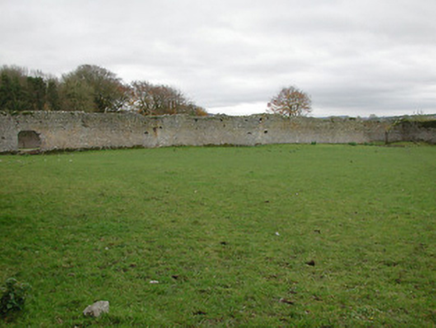
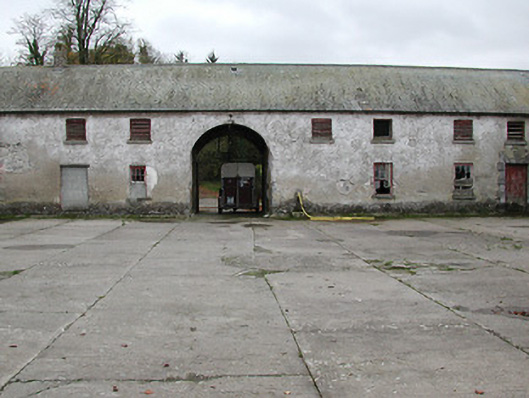
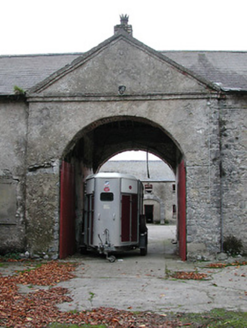
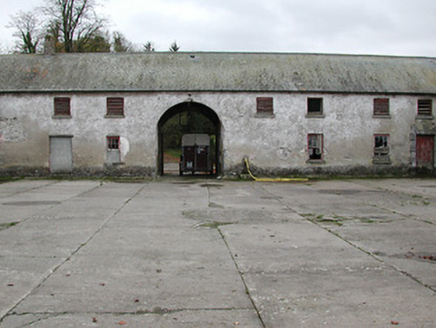
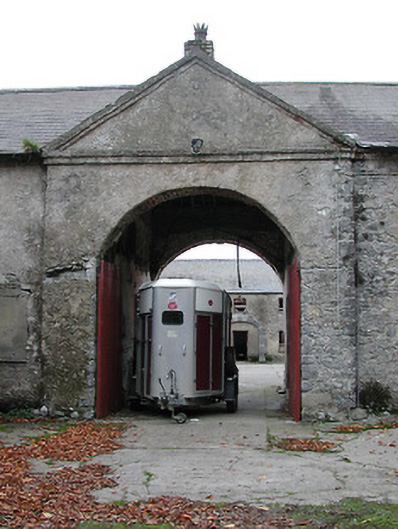
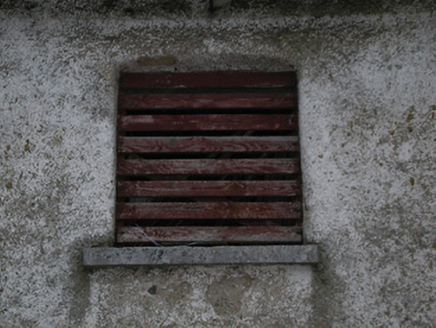
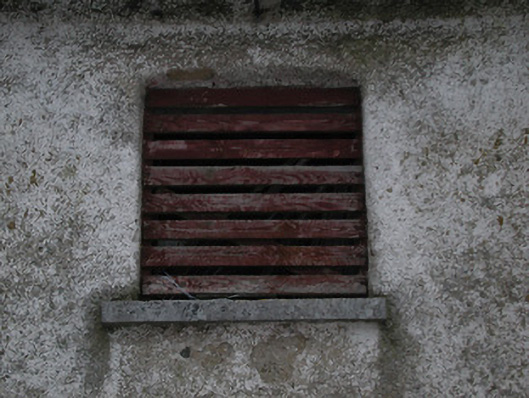
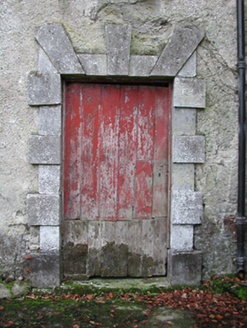
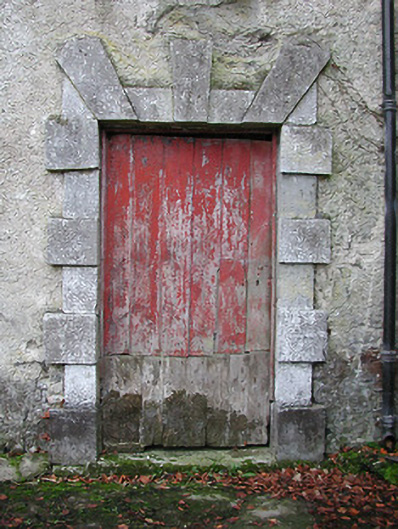
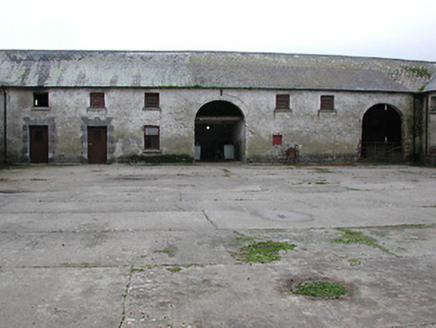
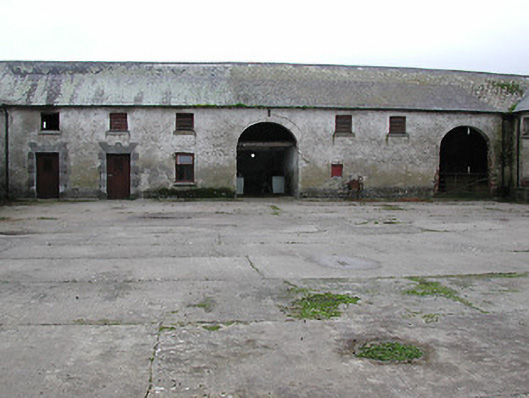
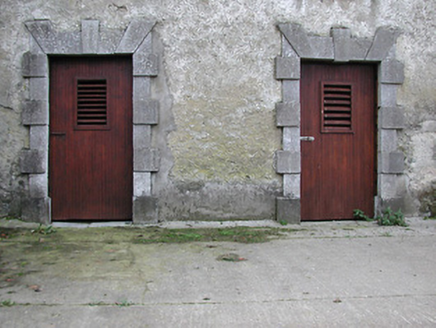
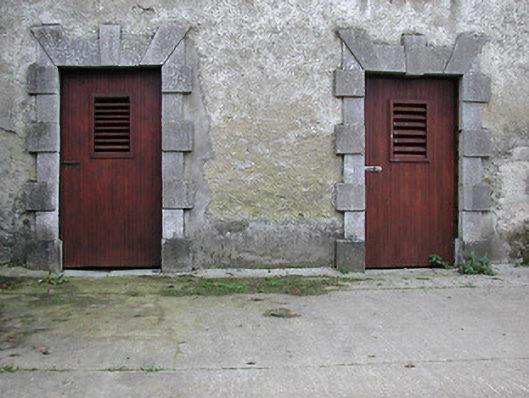
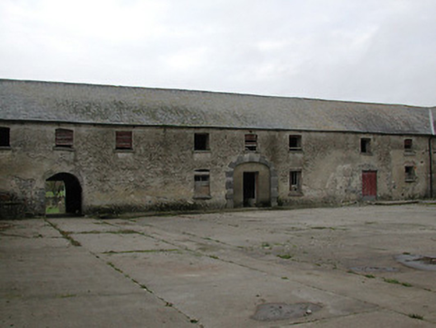
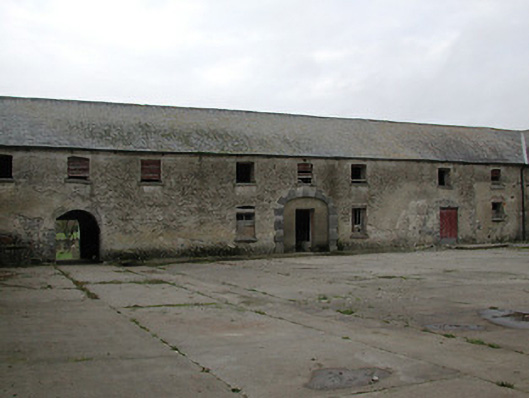
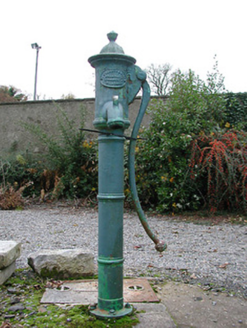
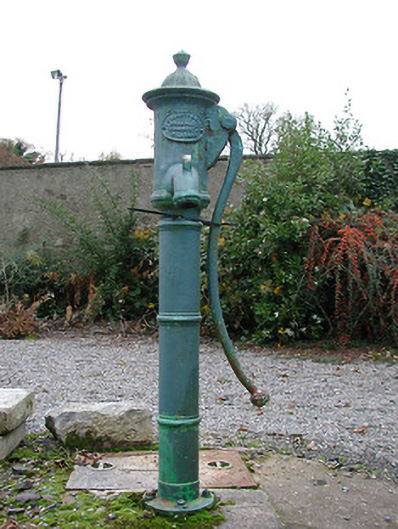
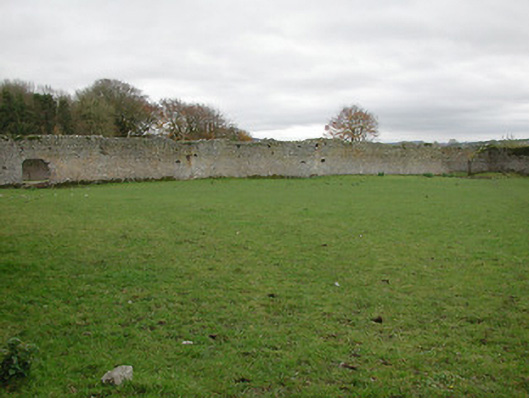
Farmyard complex, c.1750, including: (i) Detached thirty-bay two-storey outbuilding range on a quadrangular plan comprising seven-bay two-storey range to south with single-bay full-height pedimented breakfront having segmental-headed carriageway, seven-bay two-storey range to west with pair of (full-height) round-headed carriageways, eight-bay two-storey range to north with series of three elliptical-headed carriageways to ground floor, and eight-bay two-storey range to east. Hipped slate roofs on a quadrangular plan (gabled to breakfront) with clay ridge tiles, rendered chimney stacks, and cast-iron rainwater goods on slightly overhanging rendered eaves having iron brackets. Unpainted roughcast walls over random rubble stone construction with rendered surround to pediment to breakfront. Square-headed window openings with cut-limestone sills, and timber fittings including louvered panel fittings (some having wrought iron bars). Square-headed door openings with some having cut-limestone block-and-start surrounds incorporating elongated voussoirs, and timber boarded doors. Segmental-headed carriageway to breakfront with painted corrugated-iron double doors. Pair of full-height round-headed carriageways to range to west with concealed red brick voussoirs, and no fittings. Series of three elliptical-headed carriageways to range to north with cut-limestone block-and-start surround to centre ground floor, and no fittings. Set back from road in grounds originally shared with Woodsgift House. (ii) Freestanding cast-iron waterpump, c.1875, comprising banded cylindrical shaft with moulded necking supporting cylindrical head having spout, curvilinear 'cow tail' handle, and inscribed domed capping on profiled course having finial. (iii) Walled garden to west with random rubble limestone boundary wall to perimeter of site.
Appraisal
A substantial farmyard complex formally composed on a quadrangular plan representing the substantial remains of a once-extensive estate dispersed following the loss of the main house in the early twentieth century (Woodsgift House, c.1750; burnt, 1914; demolished, post-1914). Despite the utilitarian purpose of the complex fine detailing in the Classical manner enhances the elegant architectural design value of the composition while displaying expert stone masonry. Further related artefacts including a walled garden contribute to the group and setting values of a site surviving as an important element of the architectural heritage of the locality particularly on account of the associations with the Saint George and the Keating (Keatinge) families.