Survey Data
Reg No
12320001
Rating
Regional
Categories of Special Interest
Architectural
Original Use
Farmyard complex
In Use As
Farmyard complex
Date
1815 - 1835
Coordinates
247025, 134490
Date Recorded
14/06/2004
Date Updated
--/--/--
Description
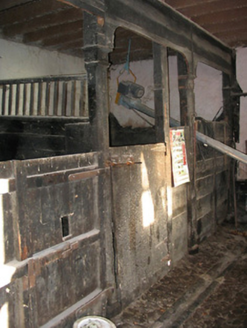
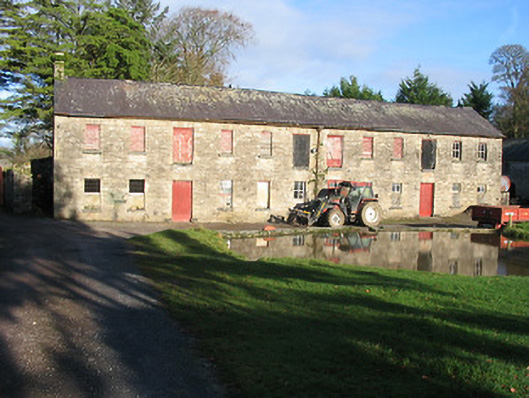
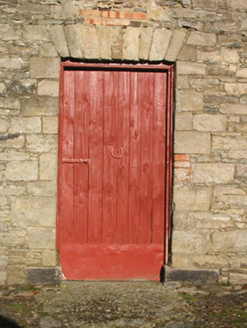
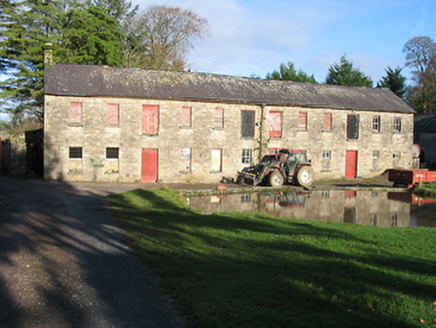
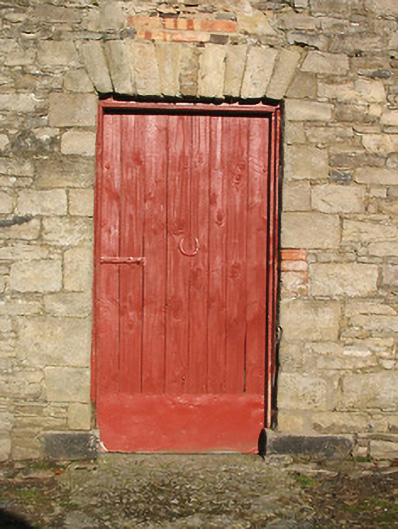
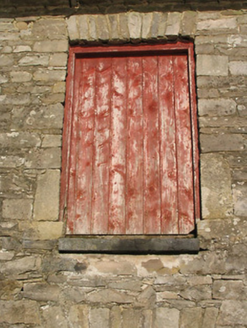
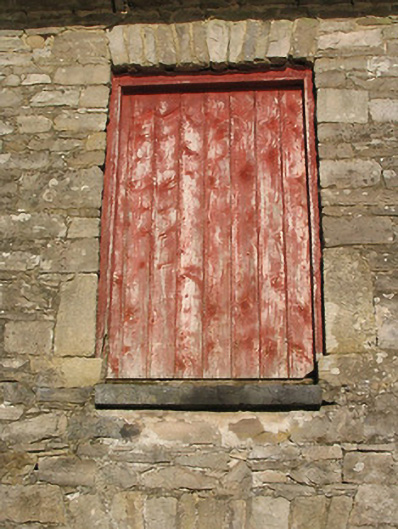
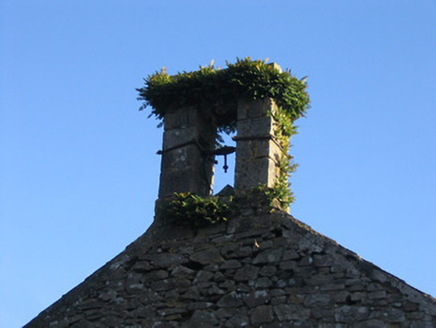
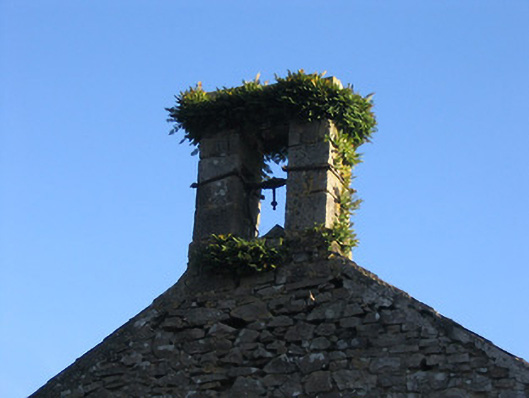
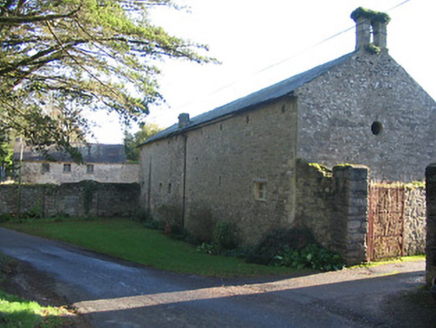
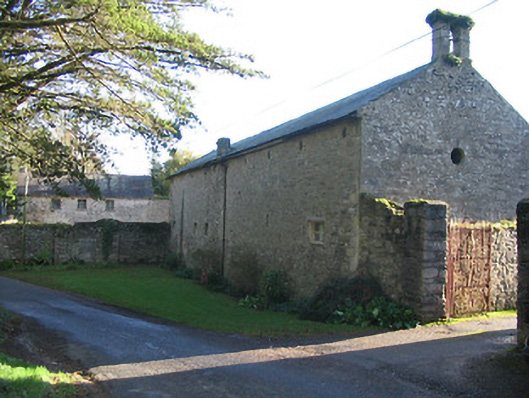
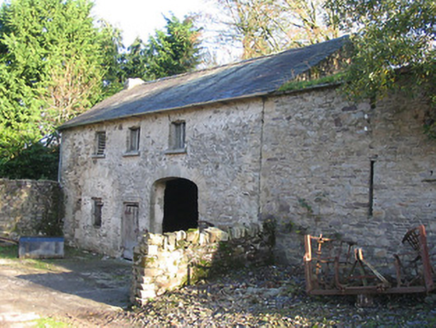
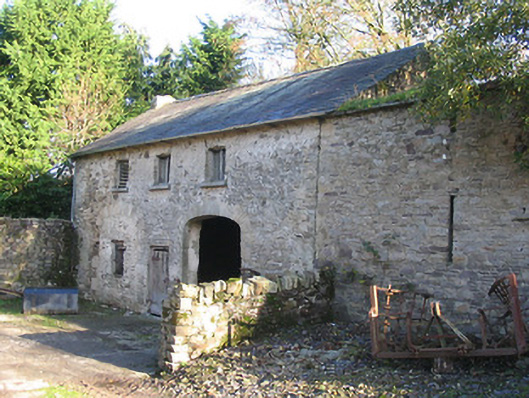
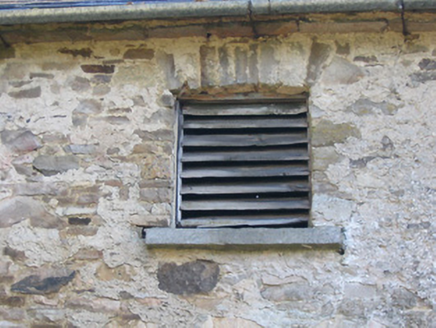
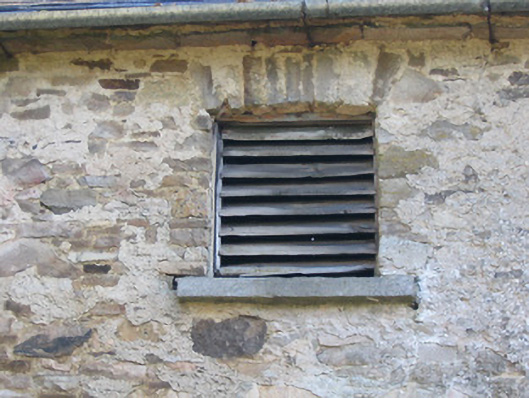
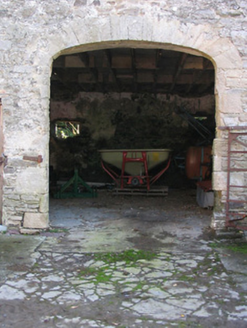
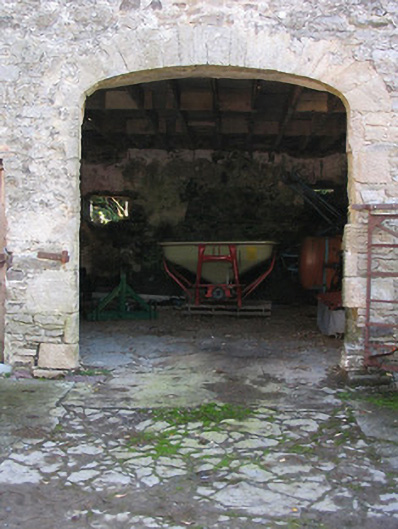
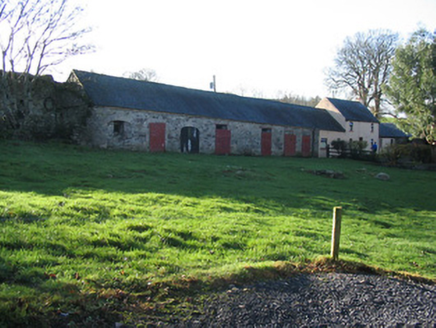
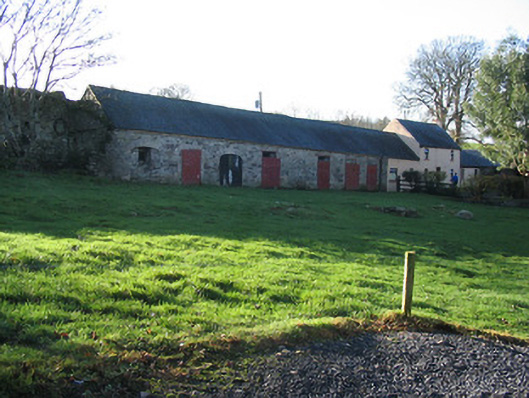
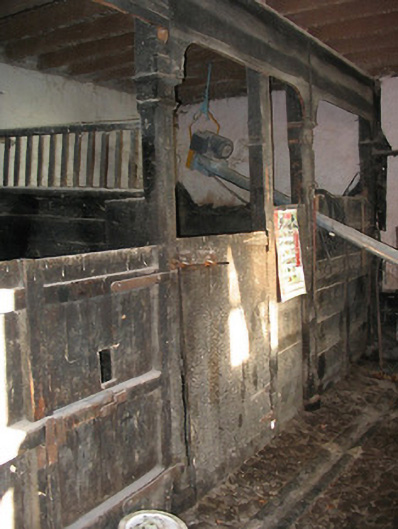
Farmyard complex, c.1825, about a courtyard comprising: (i) Detached twelve-bay two-storey outbuilding range on a symmetrical plan. Pitched slate roof with clay ridge tiles, cut-limestone bellcote to apex (with square-headed aperture having remains of cast-iron fittings, and moulded cornice over supporting blocking course), and cast-iron rainwater goods on squared rubble stone eaves having iron ties. Random rubble stone walls with dressed stone quoins to corners. Square-headed window openings with cut-limestone sills, squared rubble stone voussoirs, and timber boarded panel fittings having some fixed-pane timber windows throughout (some louvered panel fittings throughout). Square-headed door openings (including to first floor) with cut-limestone steps/sills, squared rubble stone voussoirs, and timber boarded doors. (ii) Attached three-bay two-storey range with pair of elliptical-headed carriageways to ground floor. Renovated, c.1900, with one carriageway remodelled. Pitched slate roof with clay ridge tiles, rendered squat chimney stack over rubble stone construction, and cast-iron rainwater goods on squared rubble stone eaves having iron ties. Random rubble stone walls with dressed stone quoins to corners. Square-headed window openings with cut-limestone sills, squared rubble stone voussoirs, and fixed-pane timber fittings having lattice/mesh panels. Square-headed door opening with timber lintel, and timber boarded door. Pair of elliptical-headed carriageways to ground floor (one remodelled, c.1900) with dressed stone voussoirs, and remains of timber fittings (random rubble infill to remodelled opening incorporating square-headed window opening with no sill, timber lintel, and timber fitting). (iii) Attached three-bay two-storey outbuilding range. Now in ruins. Pitched roof now gone with no rainwater goods surviving on squared rubble stone eaves. Random rubble stone walls with dressed stone quoins to corners. Square-headed window openings (some slit-style) with no sills, timber lintels, and no fittings surviving. Square-headed door openings with timber lintels supporting rubble stone voussoirs, and remains of timber boarded half-doors. (iv) Detached seven-bay single-storey stable outbuilding with series of three elliptical-headed carriageways to left. Renovated, c.1900, with some carriageways remodelled. Pitched slate roof with clay ridge tiles, and no rainwater goods on squared rubble stone eaves. Random rubble stone walls with dressed stone quoins to corners. Square-headed door openings with timber lintels, and timber boarded doors (some having overlights). Series of three elliptical-headed carriageways to left (some remodelled, c.1900) with dressed stone voussoirs, and timber fittings (random rubble infill to remodelled openings incorporating square-headed openings with timber boarded door, and remains of fixed-pane timber window). Interior with stone cobbled floors, and timber panelled stalls having timber posts. (v) Detached three-bay two-storey farm manager's house with two-bay single-storey flanking lateral wings. Refenestrated, c.1975. Part reroofed. Pitched slate roofs (replacement corrugated-iron to wing to right) with clay ridge tiles, rendered chimney stack, and iron rainwater goods on rendered eaves. Painted rendered walls. Square-headed window openings with cut-stone sills, and replacement timber casement windows, c.1975. Square-headed door opening with cut-limestone step, and replacement timber panelled door, c.1975.
Appraisal
A fine collection of substantial outbuildings arranged about a courtyard forming an attractive landmark on the side of the road: the farmyard complex is positioned a considerable distance away from the main house (12320005/KK-31-20-05) in accordance with common practice whereby the residents wished to avoid noxious odours emanating from the agricultural ranges. The construction in unrefined rubble stone highlights the utilitarian nature of the complex while producing an appealing textured, almost rustic visual effect in the composition. Although surviving in various states of repair each unit retains most of the original form and massing together with substantial quantities of the early fabric, thereby making a pleasant impression in an historic setting.