Survey Data
Reg No
11904003
Rating
Regional
Categories of Special Interest
Architectural, Historical, Social, Technical
Original Use
Mill (water)
Date
1830 - 1870
Coordinates
276112, 183266
Date Recorded
06/11/2002
Date Updated
--/--/--
Description
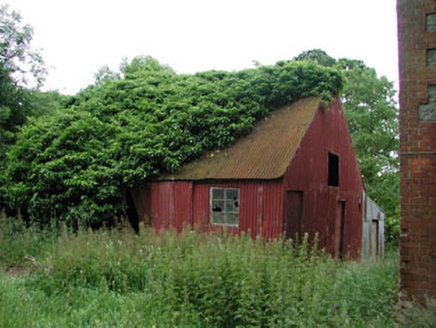
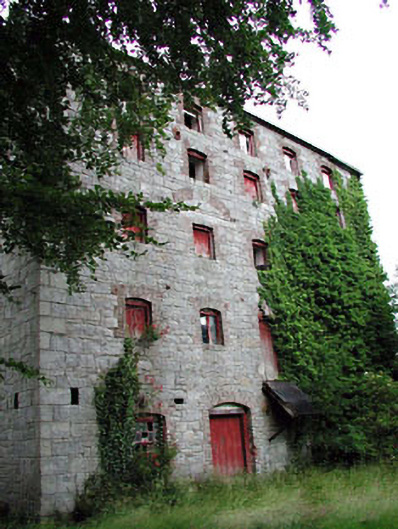
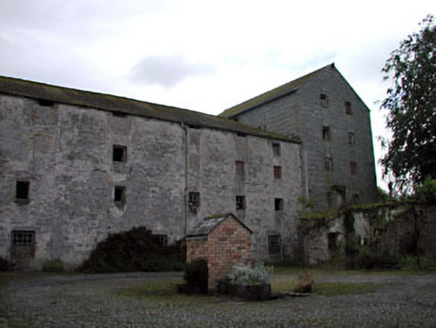
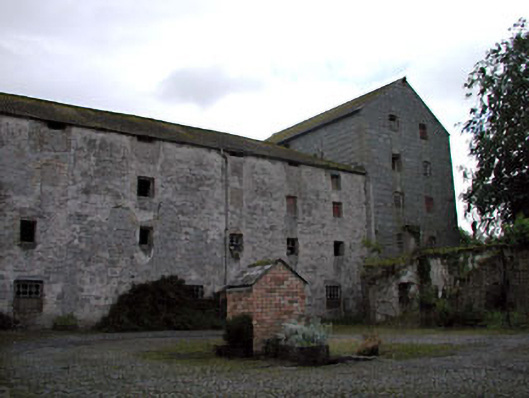
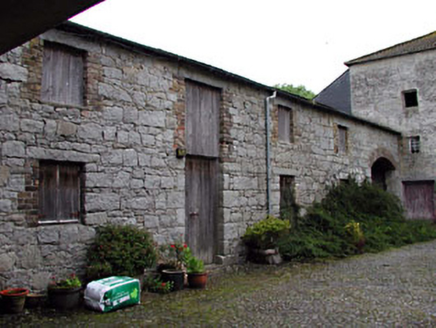
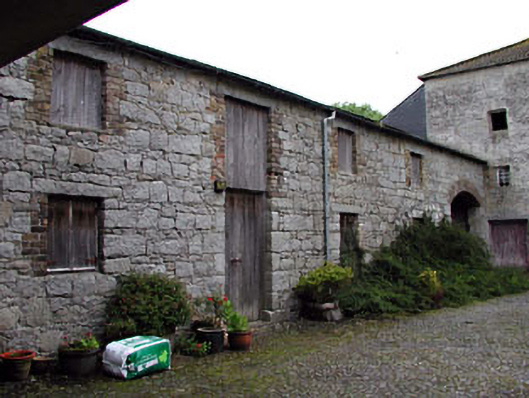
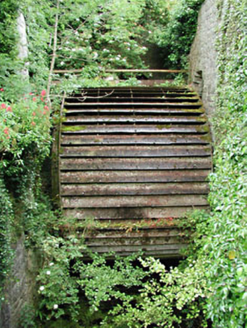
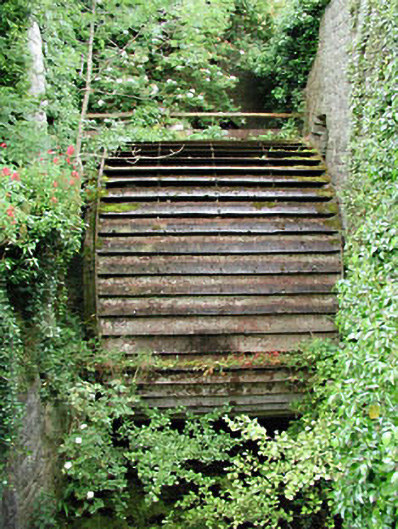
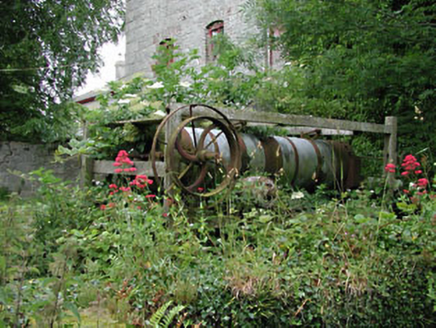
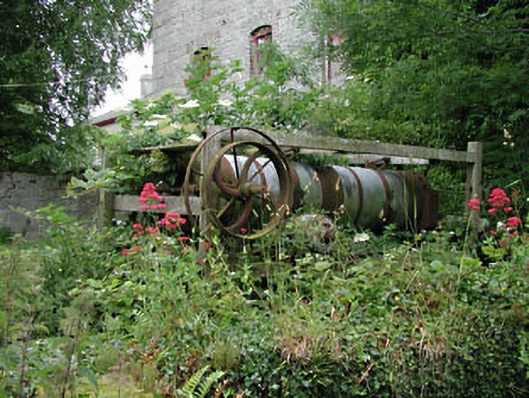
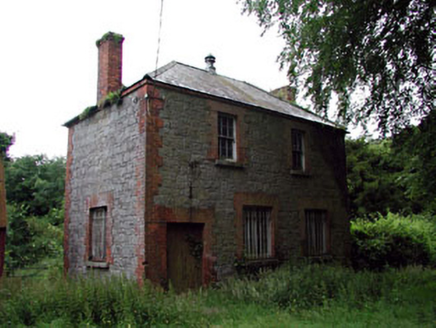
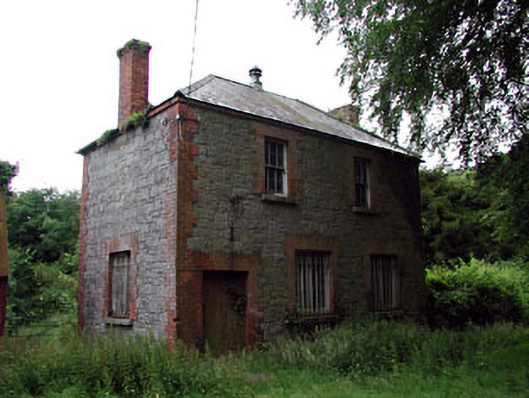
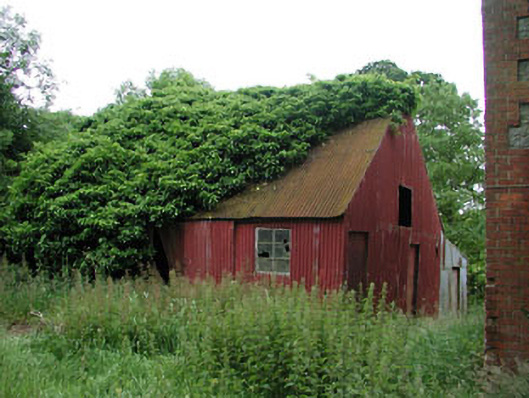
Detached five-bay five-storey mill building, c.1850, with two-bay five-storey side elevations to north-west and to south-east. Reroofed, c.1940. Now disused. Gable-ended roof. Replacement corrugated-iron, c.1940. Iron ridge tiles. Iron rainwater goods. Dressed cut-stone walls. Dressed stone quoins to corners. Segmental-headed openings. No sills. Red brick block-and-start surrounds. Timber casement windows with tongue-and-groove timber panelled shutters. Timber boarded door. Set back from road in own grounds about a courtyard. Part overgrown grounds to site. Mill wheel to site with remains of original mechanisms. Attached six-bay four-storey warehouse, c.1850, to north-east. Reroofed, c.1940. Now disused. Hipped roof. Replacement corrugated-iron, c.1940. Iron ridge tiles. Iron rainwater goods. Dressed cut-stone walls with traces of render over. Dressed stone quoins to corners. Shallow segmental-headed openings. No sills. Timber or cut-stone lintels. Red brick block-and-start surrounds. 2/2 timber sash windows (most now gone). Timber boarded door. Set back from road in own grounds about a courtyard. Part overgrown grounds to site. Attached five-bay two-storey rubble stone range, c.1850, to north-west forming L-shaped plan with segmental-headed integral carriageway to right. Now disused. Gable-ended roof with slate. Clay ridge tiles. Iron rainwater goods. Rubble stone walls. Square-headed openings. No sills. Cut-stone lintels. Yellow brick dressings. Timber boarded fittings. Segmental-headed integral carriageway. Cut-stone dressings. Yellow brick archivolt. No fittings. Detached three-bay two-storey mill keeper’s house, c.1850, to north. Now disused. Hipped roof with slate. Clay ridge tiles. Iron vent to apex. Red brick chimney stacks. Iron rainwater goods on red brick eaves band. Dressed cut-stone walls. Red brick dressings including quoins to corners. Square-headed window openings. Cut-stone sills. Red brick block-and-start surrounds. Timber casement windows to ground floor. 6/6 timber sash windows to first floor. Square-headed door opening. Tongue-and-groove timber panelled door. Detached two-bay single-storey corrugated-iron-clad outbuilding with attic, c.1940, to north. Now disused. Gable-ended roof with corrugated-iron. Iron ridge tiles. Corrugated-iron walls. Painted. Square-headed openings. No sills. Timber fixed-pane windows. Door fittings now gone.
Appraisal
Prumplestown Corn Mill (former), a large complex in fair condition, retains much of its original appearance and character, despite being disused, and is a good example of a mid nineteenth-century industrial building in the region. The primary elevations, composed of a massive wall masses pierced with small openings, reveal the utilitarian nature of the buildings that were required to be cool and damp proof. The construction of the walls is of interest, juxtaposing dressed cut-stone with brick dressings to produce a quasi-polychromatic effect that is unusual in industrial buildings of this type. The mill is of considerable historical and social importance as the focal point for local agricultural activities and a centre of employment in the past. The remains of a mill wheel to the site is of technical interest and some early mechanisms are also retained. The mill range is supplemented by a group of attendant related buildings that are individually of architectural importance: the mill keeper’s house is a fine and well-maintained structure of modest proportions that retains much of its early character, features and materials, including timber casement and sash fenestration, red brick dressings and a slate roof. The outbuilding nearby is of some vernacular importance, having been constructed entirely of corrugated-iron. The mill complex is a prominent landmark from the road nearby and dominates its surroundings. Original materials remain in situ, including the traditional stone construction and timber fenestration to most ranges.