

Survey Data
Reg No
11821002
Rating
Regional
Categories of Special Interest
Architectural, Historical, Social
Original Use
Manse
In Use As
Manse
Date
1870 - 1890
Coordinates
287389, 208788
Date Recorded
12/12/2002
Date Updated
--/--/--
Description
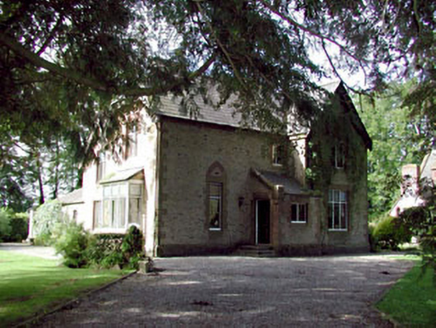
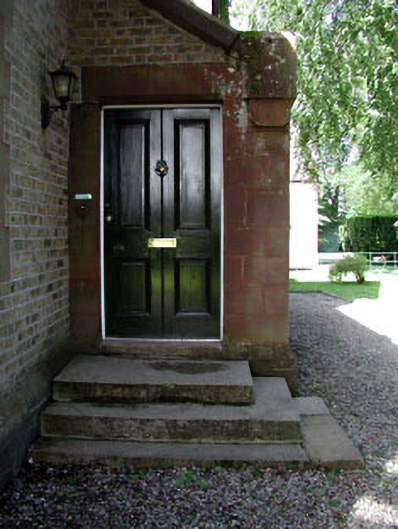
Detached three-bay two-storey yellow brick manse, c.1880, with single-bay single-storey lean-to projecting porch to centre, single-bay two-storey gabled projecting end bay to right, single-bay single-storey box bay window to side elevation to north-east and three-bay two-storey lower parallel range along rear elevation to south-east. Hipped gabled roof with slate (lean-to to porch; gabled to projecting end bay; gable-ended to parallel range). Clay ridge tiles. Rendered chimney stacks. Timber eaves and bargeboards. Cast-iron rainwater goods. Yellow brick Flemish bond walls. Cut-red sandstone dressings including quoins to corners. Square-headed openings (including to box bay window to side elevation to north-east). Cut-red sandstone chamfered sills and block-and-start surrounds. Lancet-arch relieving arch to one opening. Timber casement windows with cylinder glazing. Timber panelled door approached by three granite steps. Set back from road in own landscaped grounds. Gravel forecourt to front. Attached two-bay single-storey rubble stone outbuilding, c.1880, to south-east. Half-hipped roof with slate. Clay ridge tiles. Cast-iron rainwater goods. Random rubble stone walls. Square-headed openings. Stone sills. Red brick surrounds. Timber fittings.
Appraisal
Brannockstown Manse is a fine and imposing late nineteenth-century substantial ecclesiastical residence that is very much characteristic of the Victorian style of architecture present in the locality. Built on a regular plan, the massing of the house is nevertheless somewhat complex, comprising a substantial main block with projecting bay having further ranges to rear to south-east that are systematically reduced in scale – this prevents an overbearing external appearance, and complements the decorative quality of the house. Constructed of early yellow brick, the house is furnished with cut-sandstone dressings - including quoins and surrounds to openings - of a rich red colour resulting in a highly polychromatic design that is a prominent landmark in the locality. The manse has been very well-maintained over subsequent decades and retains most of its original character, features and materials, including fenestration and a slate roof, which serves to suggest that the interior may also contain early features and fittings of note. The manse is of considerable social and historic interest attesting to the establishment of a Presbyterian settlement in the locality.