Survey Data
Reg No
11814102
Rating
Regional
Categories of Special Interest
Architectural, Historical, Social
Original Use
House
In Use As
House
Date
1880 - 1900
Coordinates
290095, 219663
Date Recorded
22/05/2002
Date Updated
--/--/--
Description
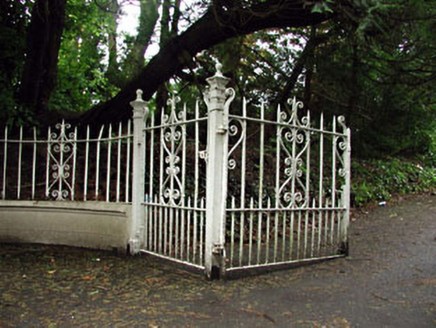
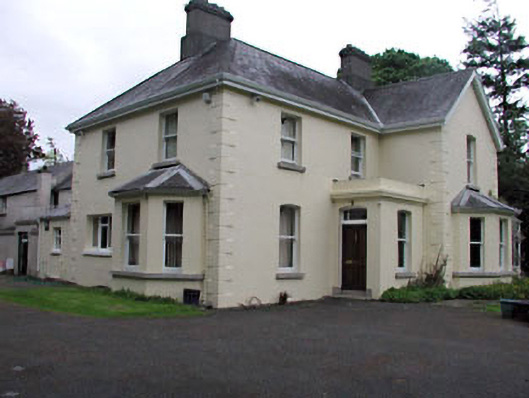
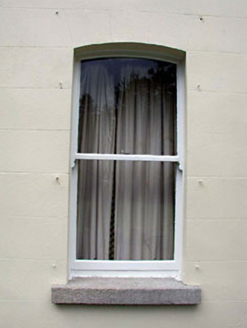
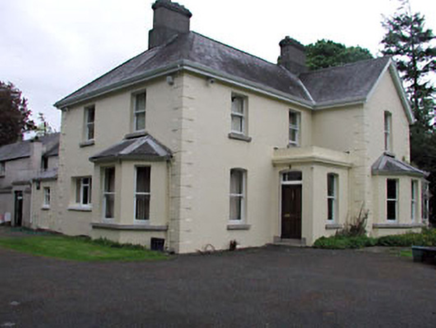
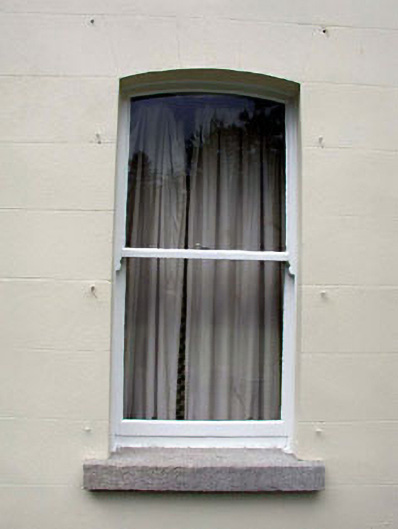
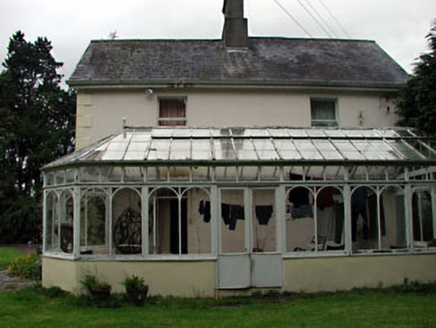
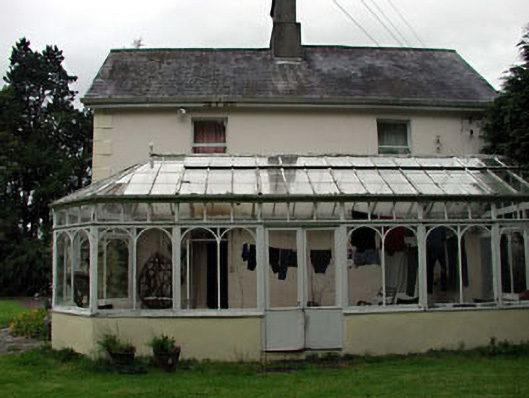
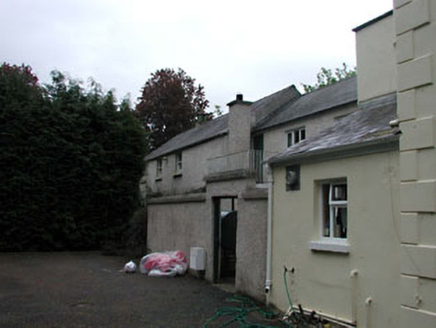
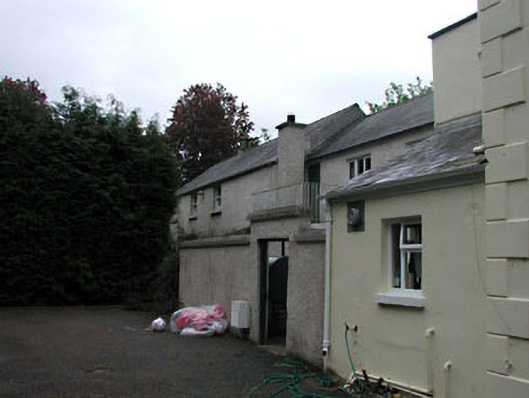
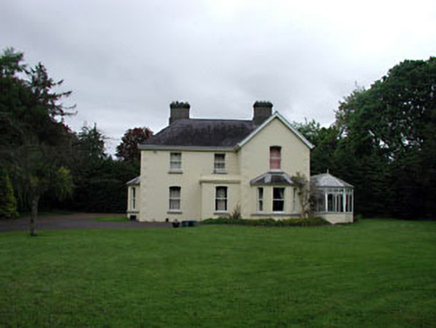
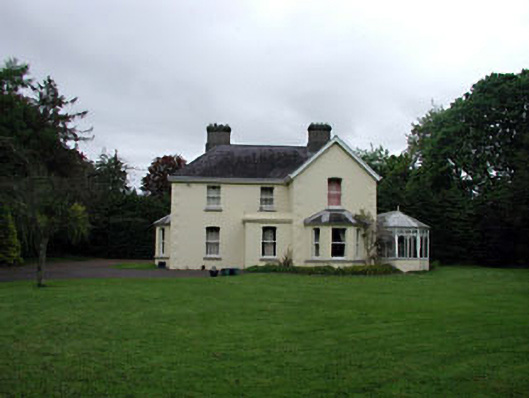
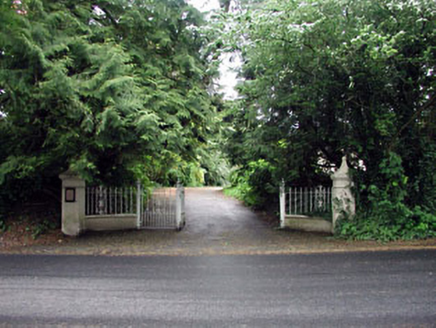
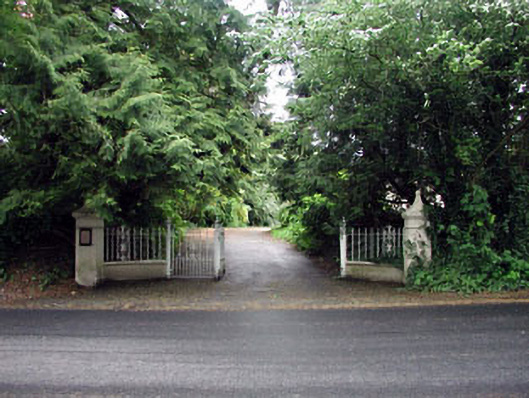
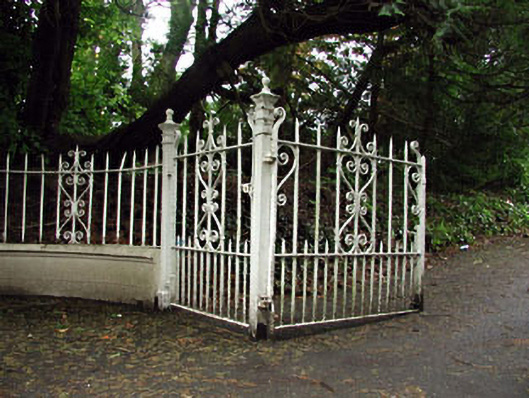
Detached three-bay two-storey house, c.1890, on an irregular plan retaining original aspect with single-bay single-storey flat-roofed advanced porch to front, single-bay two-storey gabled projecting end bay to right (south-east) having single-bay single-storey canted bay window to ground floor, two-bay two-storey side elevation to north-west having single-bay single-storey canted bay window to ground floor and two-bay two-storey side elevation to south-east having two-bay single-storey conservatory. Hipped roof with slate (gabled to projecting end bay). Clay ridge tiles. Rendered chimney stacks. Timber eaves and bargeboards. Cast-iron rainwater goods. Flat-roof to porch behind parapet wall. Materials not visible. Hipped roof to conservatory. Glazed in timber frame. Rendered walls. Painted. Rendered quoins to corners. Rendered stringcourse to porch with blocking course over to parapet wall. Square-headed window openings (one shallow segmental-headed to ground floor). Stone sills. 1/1 timber sash windows (with one replacement timber casement windows, c.1970, to side elevation to north-west). Fixed-pane timber windows to conservatory with paired round-headed frames having overlights. Shallow segmental-headed door opening to porch. Timber panelled door. Overlight. Glazed timber double doors to conservatory. Set back from road in own landscaped grounds. Attached four-bay two-storey former outbuilding, c.1890, to north-east with two-bay single-storey lower linking bay to south-west. Extensively renovated, c.1970, to accommodate residential use. Gable-ended roofs with slate. Clay ridge tiles. Iron vent to apex with conical capping. Cast-iron rainwater goods. Roughcast walls. Unpainted. Square-headed window openings. Stone sills (concrete sills to remodelled openings). Early 1/1 timber sash windows (replacement timber casement windows, c.1970, to remodelled openings). Gateway, c.1890, to south comprising cast-iron piers with cast-iron double gates having cast-iron flanking pedestrian gate to west and curved flanking plinth walls with iron railings over having rendered terminating piers with ogee moulded capping.
Appraisal
Hill House is a very fine and well-maintained substantial house that is of social and historic interest, having probably been built by a patron of high status in the locality. Composed on a plan of characteristic Victorian irregularity, the form and massing of the house means that it is an attractive landmark in the region. The house retains most of its original features and materials, including timber sash fenestration (including to canted bay windows), timber door furniture, a slate roof with cast-iron rainwater goods and a fine, delicate conservatory. The retention of an early external aspect suggests that the interior may also retain original features and fittings of distinction. The house is complemented by a former outbuilding attached to the north-east, extensively renovated in the late twentieth century to accommodate a residential use, but retaining some of its original form and early features, including timber sash fenestration. The house is attractively set in its own mature landscaped extensive grounds and is announced on the side of the road by a fine gateway that incorporates gates and railings representative of early surviving cast-iron work. The capping to the terminating piers is also distinctive in profile and distinguishes the design.