Survey Data
Reg No
11812005
Rating
Regional
Categories of Special Interest
Architectural, Artistic, Historical, Social
Original Use
Coaching inn
Date
1760 - 1780
Coordinates
292054, 221605
Date Recorded
19/06/2002
Date Updated
--/--/--
Description
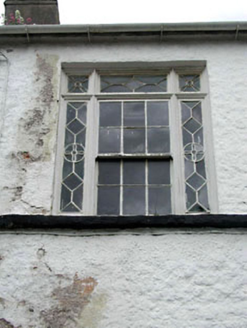
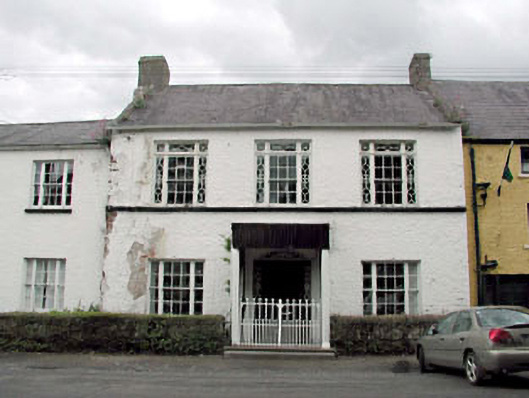
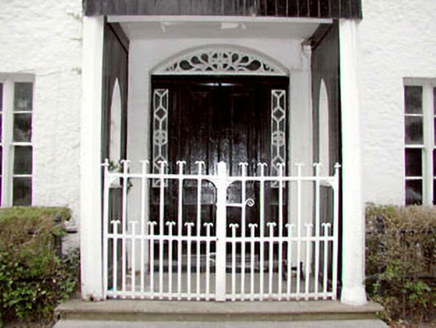
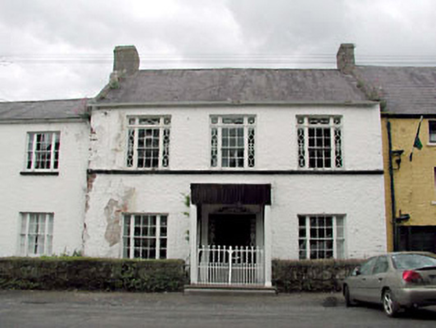
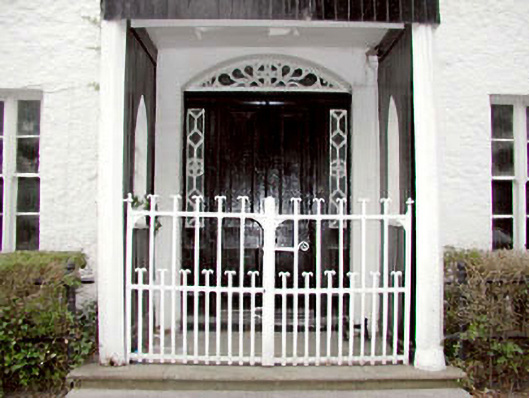
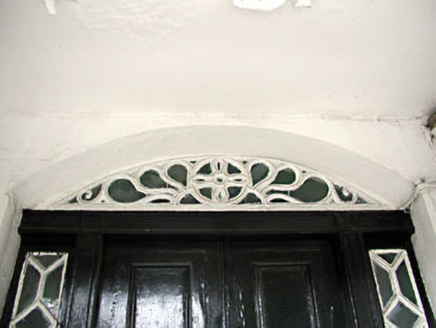
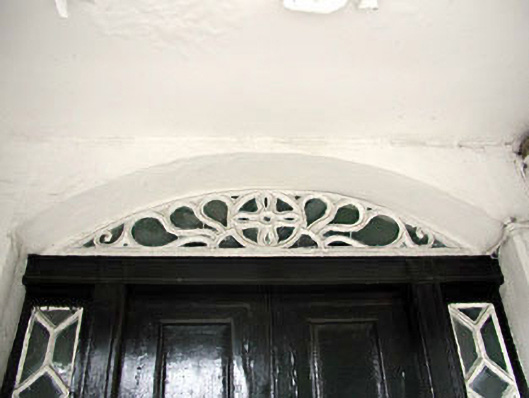
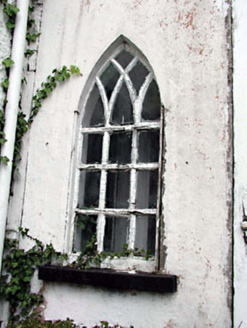
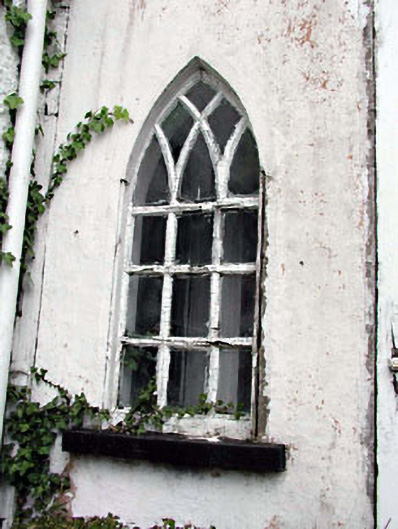
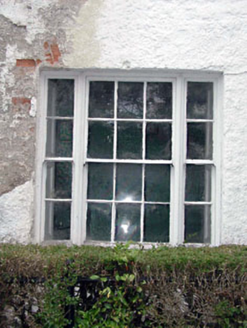
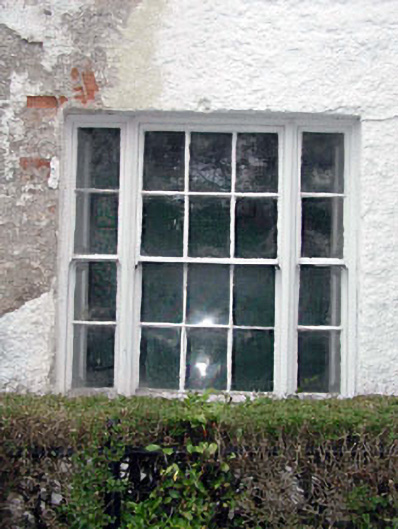
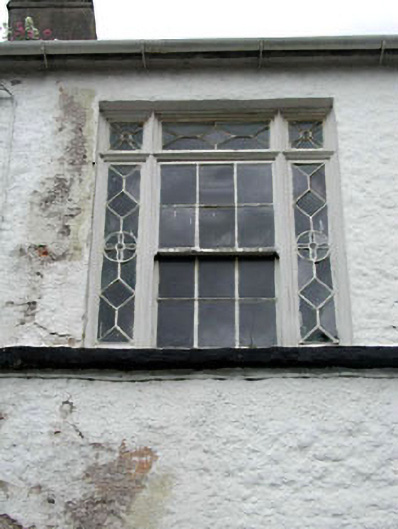
Terraced three-bay two-storey Georgian former coaching inn, c.1770, retaining early aspect with tripartite window openings and single-bay full-height bowed return to rear to north-west. Renovated, c.1860, with single-bay single-storey flat-roofed advanced open porch added to centre. Now disused. Gable-ended roof with slate. Clay ridge tiles. Rendered and red brick chimney stacks. Rendered coping to gables. Cast-iron rainwater goods. Flat-roof to porch. Metal-sheeted. Roughcast walls over red brick construction. Cut-stone string/sill course to first floor. Slate-hung to rear elevation and to return to north-west. Square-headed window openings. Stone sills. 6/6 timber sash windows in tripartite arrangement with 2/2 sidelights. Decorative leaded panes to first floor. Segmental-headed door opening in remodelled open porch, c.1860. Timber panelled door. Decorative leaded sidelights and fanlight. Lancet-arch openings to porch. Fixed-pane leaded windows. Wrought iron gates to porch. Set back from line of road. Rubble stone boundary wall to front with cut-stone wheel guard. Tarmacadam footpath to front.
Appraisal
This former coaching inn is a fine and well-maintained substantial building of Classical Georgian proportions, which retains most of its original character. The building is of considerable social and historical interest for its originally intended purpose, and attests to a period when journeys took much longer than by modern means of transport, necessitating halting spots along most major routes. Built on a symmetrical plan the building retains its original appearance, with the exception of the remodelled entrance bay, which nevertheless is in keeping with the original integrity of the composition. The building retains many important early salient features, including timber tripartite sash windows – having highly decorative and unusual glazing to the first floor – and an ornate doorcase with fanlight and sidelights - the slate-hanging to the rear (north-west) elevation and return is also of considerable importance. The roof area also retains early slate, but is in need of urgent attention to ensure the continued protection of the building. The former coaching inn is a fine and well-known landmark in the locality, which contributes invaluably to the streetscape, and is an example of sophisticated or refined architecture in the village of Johnstown.