Survey Data
Reg No
11809010
Rating
Regional
Categories of Special Interest
Architectural, Historical, Social
Original Use
House
In Use As
House
Date
1780 - 1820
Coordinates
291609, 230190
Date Recorded
18/06/2002
Date Updated
--/--/--
Description
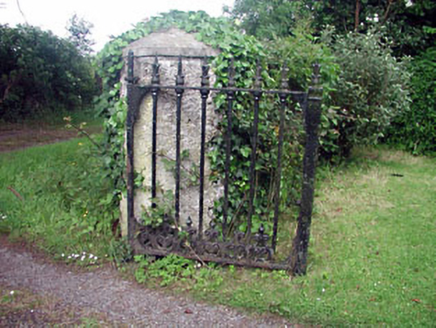
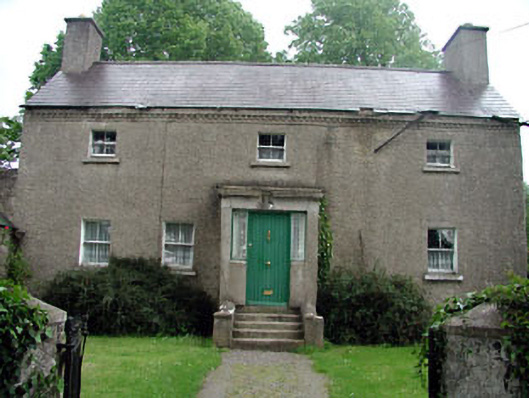
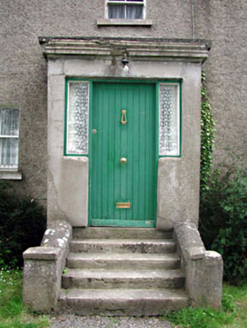
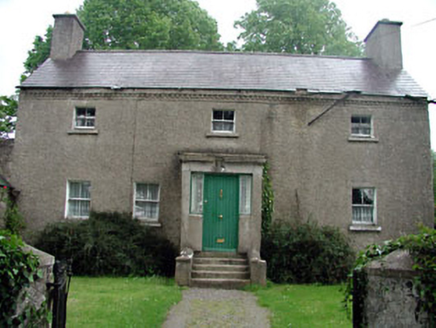
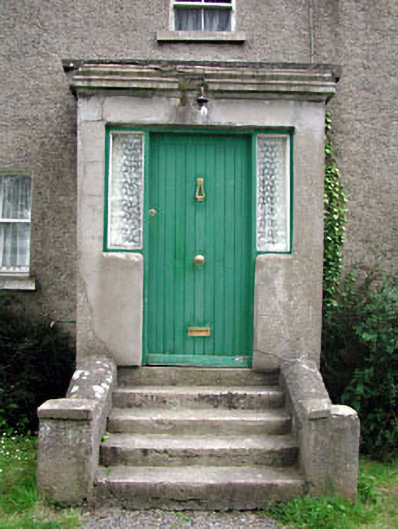
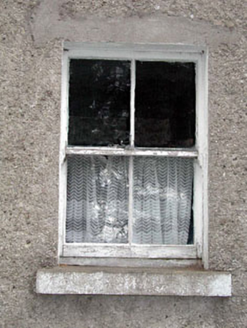
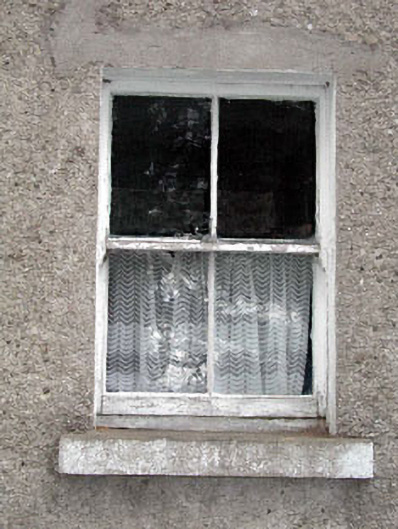
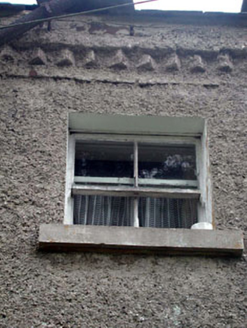
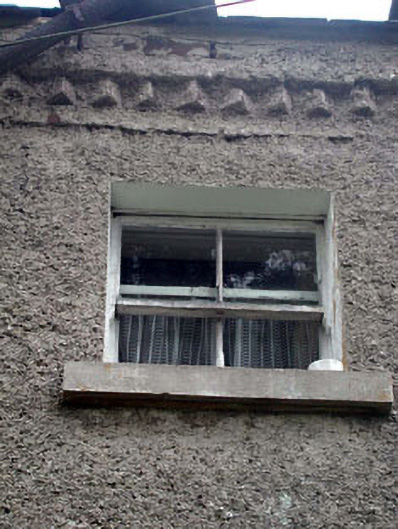
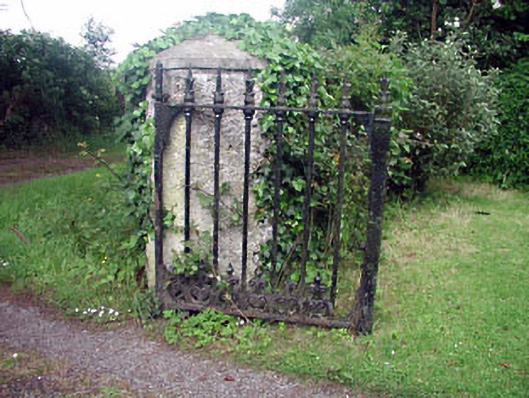
Detached three-bay two-storey house, c.1800, possibly over basement retaining early aspect with single-bay single-storey flat-roofed projecting porch to centre approached by flight of steps. Gable-ended roof with slate. Clay ridge tiles. Rendered chimney stacks. Remains of cast-iron rainwater goods. Flat-roofed to porch behind blocking course. Materials not visible. Roughcast walls. Unpainted. Dentilated stringcourse to eaves. Moulded cornice to blocking course to porch. Square-headed window openings (one possibly additional to left ground floor). Stone sills. 2/2 timber sash windows. Square-headed door opening approached by flight of four steps. Tongue-and-groove timber panelled door. Sidelights. Set back from road in own grounds. Lawns and gravel path to forecourt. Gateway, c.1800, to west comprising pair of roughcast circular piers with cut-stone capping having cast-iron double gates.
Appraisal
This house is a fine and relatively well-maintained middle size residence that retains most of its original character. The house is of some social and historic significance as early evidence of the development of Bohereen. The front (west) elevation reveals the inspiration of Classicism in its design, yet is not wholly symmetrical due to the additional window opening to left ground floor, while the openings are somewhat diminutive in proportion and reflect a vernacular influence. In contrast the façade bears the evidence of aspirations to decorative effect and includes a dentilated stringcourse and moulded cornice to the porch. The house retains most of its original features and materials, including timber sash fenestration and a slate roof, which is need of some repair. Set attractively in its own grounds, the house is an attractive landmark in the locality of Bohereen. The gateway to west is also of interest, the piers again reflecting a vernacular influence, while the decorative gates are a fine example of early surviving cast-iron work.