Survey Data
Reg No
11803125
Rating
Regional
Categories of Special Interest
Architectural, Historical, Social
Previous Name
Royal College of Saint Patrick
Original Use
Building misc
In Use As
Building misc
Date
1815 - 1820
Coordinates
293520, 237447
Date Recorded
07/02/2003
Date Updated
--/--/--
Description
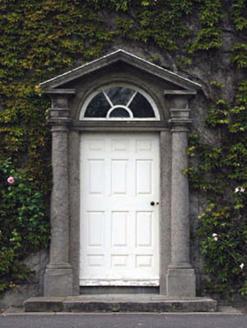
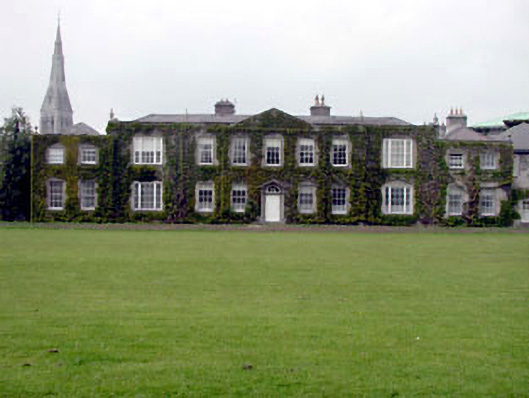
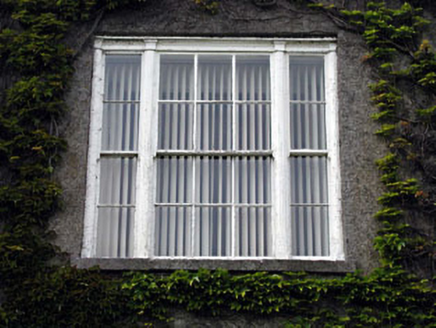
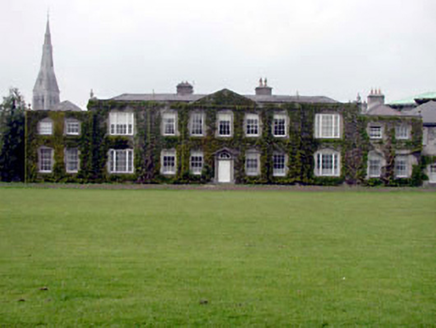
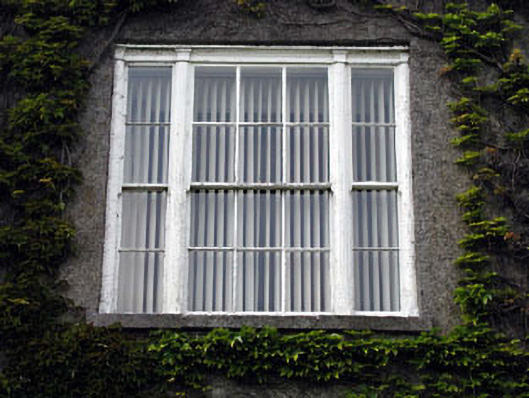
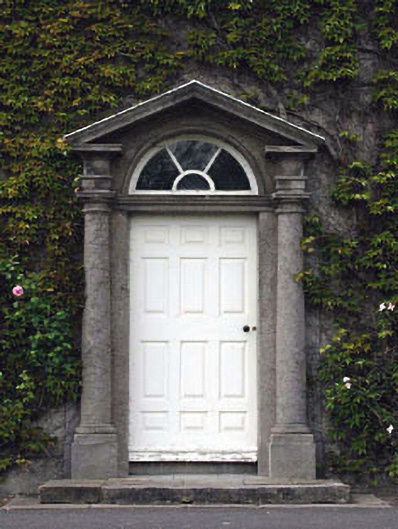
Detached eleven-bay two-storey house, built 1817, possibly over basement on a symmetrical plan retaining early aspect comprising five-bay two-storey central block with three-bay two-storey pedimented breakfront, single-bay two-storey flanking bays having tripartite openings and two-bay two-storey lower flanking end blocks. Hipped roofs behind parapet walls with slate (gabled to pediment). Clay ridge tiles. Cut-stone chimney stacks. Cast-iron rainwater goods. Roughcast walls. Unpainted. Dressings not visible (ivy-clad). Roughcast parapet walls with cut-stone coping having urn finials. Square-headed window openings (in tripartite arrangement to flanking bays with fluted detailing). Stone sills. 6/6 and 3/3 timber sash windows (2/2 sidelights to tripartite arrangement). Round-headed door opening. Cut-limestone columnar doorcase with open bed pediment over. Timber panelled door. Spoked fanlight. Set in grounds shared with Saint Patrick’s College.
Appraisal
Riverstown Lodge is a fine and imposing substantial range of graceful Classical proportions and detailing. The building retains its original form and character together with original features and materials, including multi-pane timber sash fenestration, timber fittings to the door opening having an attractive cut-stone doorcase, and slate roofs with cast-iron rainwater goods. The retention of an early external aspect suggests that the interior may also retain important early features and fittings of significance. The house is an attractive component of the architectural heritage of Saint Patrick’s College, forming a neat group with further Classical-style houses on the green (11803123, 6/KD-05-03 – 123, 6), forming Junior College, and is of social and historical significance, representing the early development of the college in the late eighteenth century.