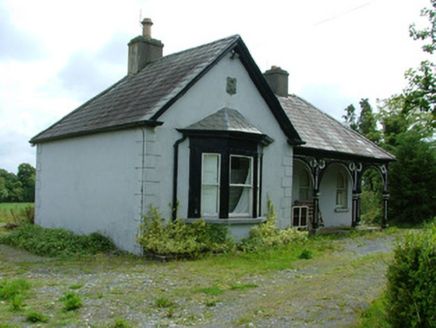
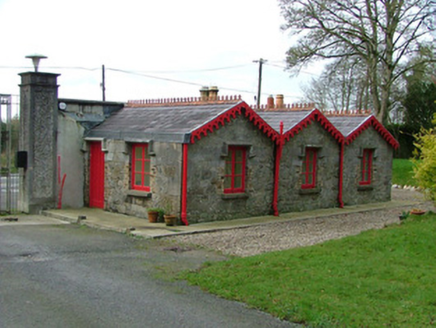
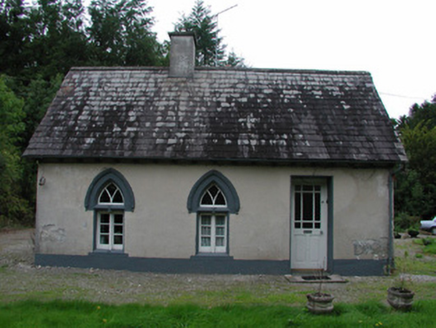
Detached L-plan four-bay single-storey Tudor style gate lodge, build c.1850, with gable-fronted bay to north and veranda. Modern extension to rear. Hipped slate roof, pitched to gable, with terracot...
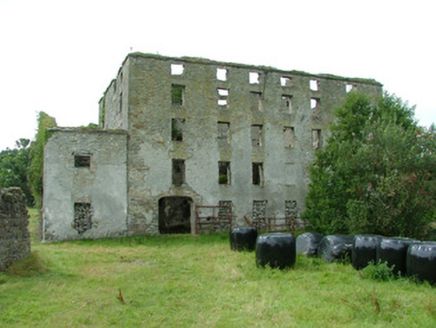
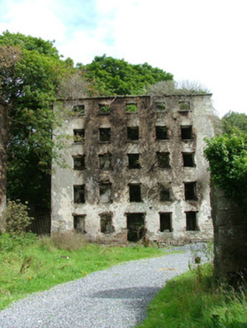
Detached U-plan six-bay five-storey mill, built c.1800, with two-bay five-storey to rear and two-storey extension to south. No longer in use. Located on the Little Brosna River. Random coursed lime...
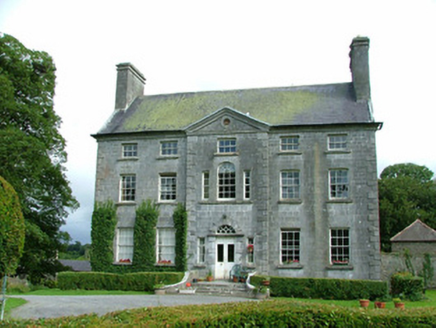
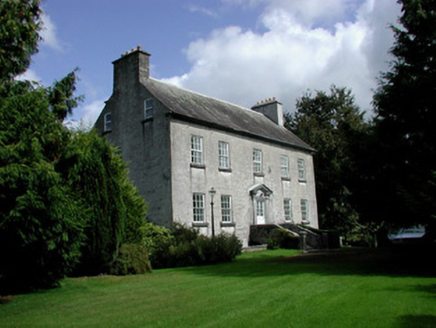
Detached T-plan five-bay three-storey over basement country house, built c.1740, with central pedimented breakfront and extensions to rear. Set within its own grounds. Pitched slate roof with ashlar...
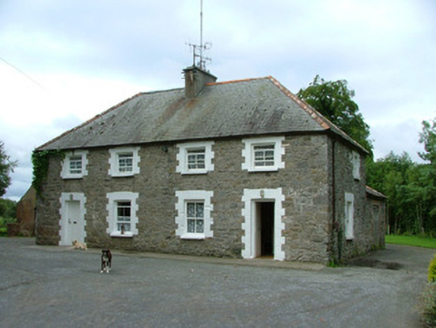
Pair of semi-detached two-bay two-storey workers' houses and laundry to Milltown Park, built c.1850, with extensions to rear. Set back from road. Hipped slate roof with terracotta ridge tiles, rende...
Detached L-plan five-bay three-storey over basement country house, built c.1770, with extensions to rear. Basement area to front of house enclosed behind plinth wall. Pitched slate roof with rendere...
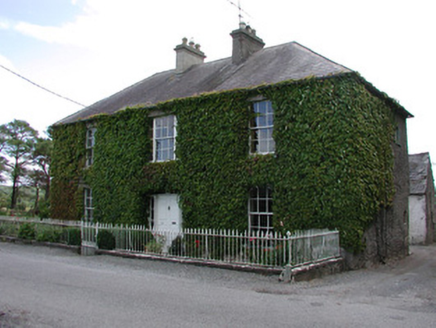
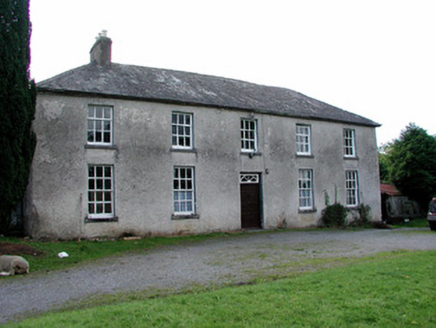
Detached three-bay tow-storey house, built c.1830, with return and extensions to rear. Fronting onto the road. Hipped slate roof with rendered chimneystacks and cast-iron rainwater goods. Roughcast...
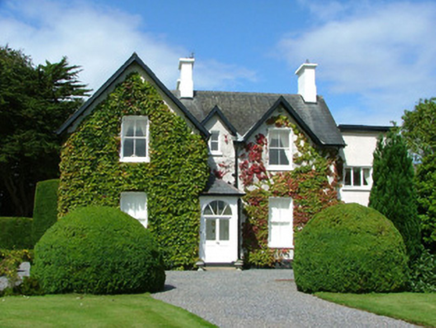
Detached three-bay two-storey former agent's house to Gloster House, built c.1860, with gabled elevations and extensions to rear. Set in its own grounds. Now in use as a private dwelling. Pitched s...
Detached L-plan two-bay two-storey lodge to Gloster House, built in 1869, with entrance porch to side elevation. Located to north of Gloster House. Pitched tiled roof with overhanging eaves, hoods t...
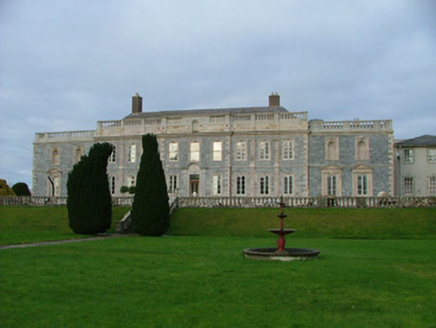
Detached nine-bay two-storey over basement country house, dating to the seventeenth century but extensively remodelled c.1730, with three-bay breakfront and flanking bays, added c.1780. House design ...
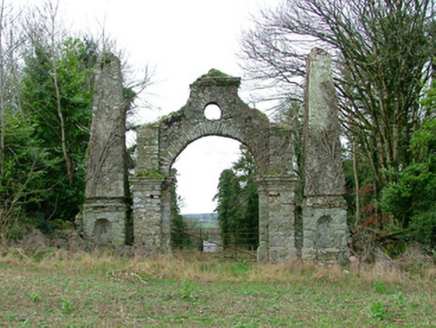
Single-arch folly with carved sandstone cornice to supporting piers flanked by obelisks, c.1730, with niches to bases of obelisks. Located to east of Gloster House on an elevated site terminating a v...
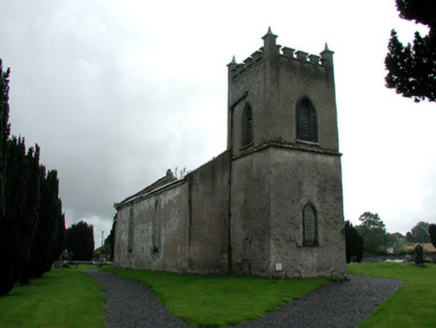
Detached Board of First Fruits Church of Ireland church, built in 1831, with four-bay nave and two-stage tower. Extended to south-east to accommodate new chancel. No longer in use. No roof. Roughc...
Detached five-bay two-storey house, built c.1820, with extensions and return to rear. Hipped slate roof with terracotta ridge tiles, rendered chimneystacks and cast-iron rainwater goods. Roughcast r...
Pair of detached five-bay five-storey mills, built c.1840. In roofless condition. Random coursed limestone and sandstone walls with remains of roughcast render. Square-headed window openings with y...
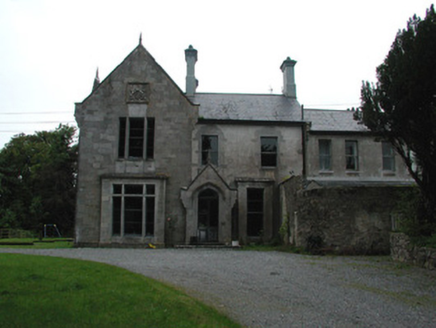
Detached Jacobean style country house, built c.1870, incorporating earlier house visible from the rear and built on the site of Cangort Castle, destroyed in the seventeenth century. Three-bay two-sto...
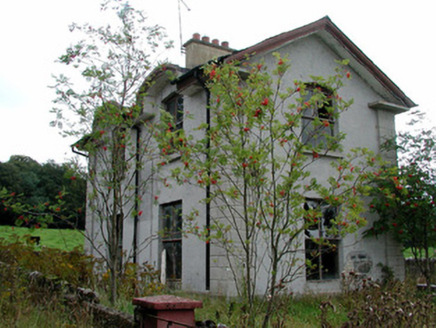
Detached three-bay single-storey gate lodge to Cangort House, built c.1870, with modern extension to rear. Located in a wooded area in the former demesne. Pitched slate roof with rendered chimneysta...
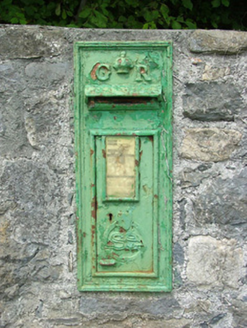
Wall-mounted cast-iron post box, c.1915, with GR royal cipher and crown motif. The door incorporates a later SE (Saorstat Éireann) emblem. Located at Mountheaton Crossroads in a wall adjacent to so...
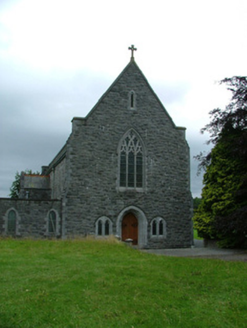
Detached single-cell Catholic chapel, built in 1940 within the grounds of Mount Saint Joseph College. Joined to school by corridor. Four-bay nave with triple-pile transepts, canted-bay apse and sacr...
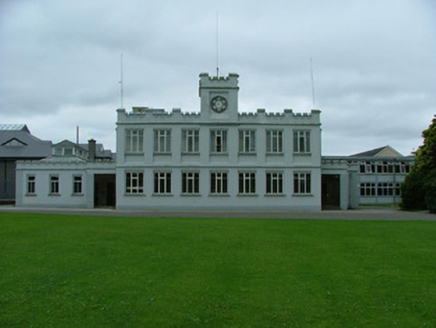
Detached seven-bay two-storey former sports pavilion, built c.1940, with central clock tower, flanking entrance porches and shower-block to south. Now disused. Set within grounds of Mount Saint Jose...
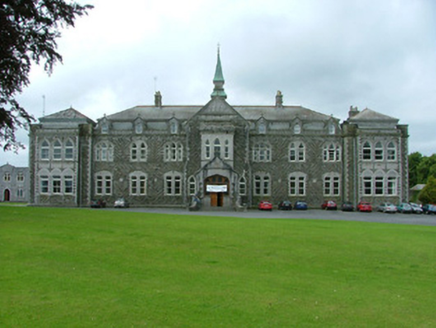
Detached U-plan nine-bay two-storey with attic secondary school or college, built in 1905, with central pedimented breakfront and projecting end bays. Located in Mount Saint Joseph Abbey complex. Sl...
To provide the best experiences, we use technologies like cookies to store and/or access device information. Consenting to these technologies will allow us to process data such as browsing behavior or unique IDs on this site. Not consenting or withdrawing consent, may adversely affect certain features and functions.
Functional
Always active
The technical storage or access is strictly necessary for the legitimate purpose of enabling the use of a specific service explicitly requested by the subscriber or user, or for the sole purpose of carrying out the transmission of a communication over an electronic communications network.
Preferences
The technical storage or access is necessary for the legitimate purpose of storing preferences that are not requested by the subscriber or user.
Statistics
The technical storage or access that is used exclusively for statistical purposes.The technical storage or access that is used exclusively for anonymous statistical purposes. Without a subpoena, voluntary compliance on the part of your Internet Service Provider, or additional records from a third party, information stored or retrieved for this purpose alone cannot usually be used to identify you.
Marketing
The technical storage or access is required to create user profiles to send advertising, or to track the user on a website or across several websites for similar marketing purposes.