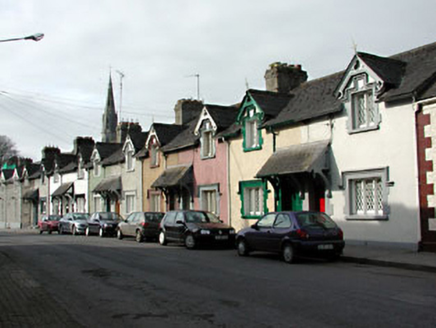
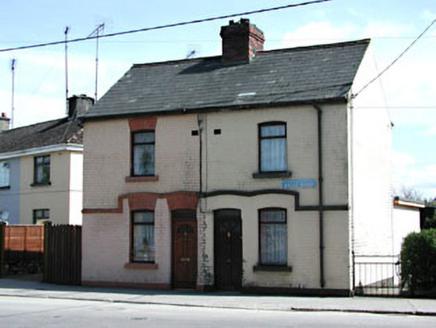
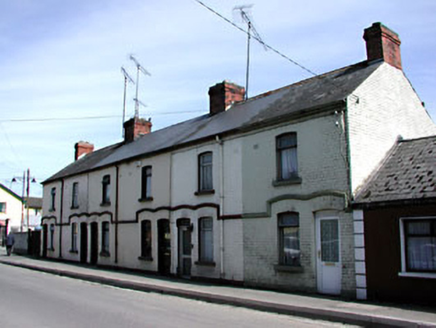
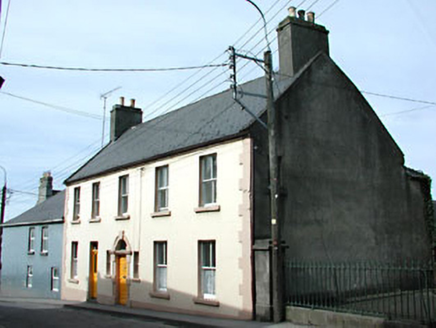
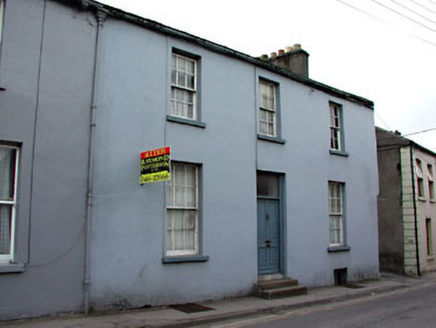
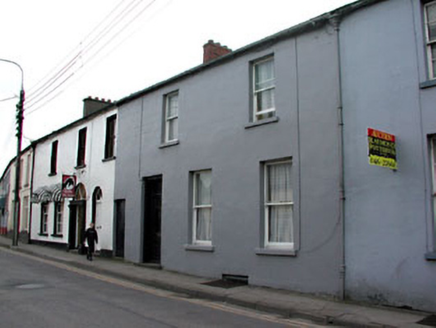
Terrace of ten two-bay two-storey houses, built c.1890. Pitched slate roofs with cement rendered chimneystacks. Cast-iron diamond paned paired and triple windows having central mullions, stone sills...
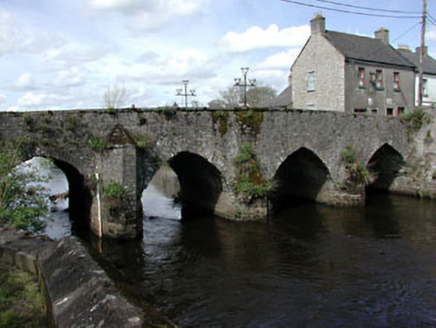
Four-arch road bridge, built c.1730, with three medieval pointed-arches and one modern round-arch. Triangular cutwaters on the upstream and downstream sides of the bridge. Stone coping to parapet wal...
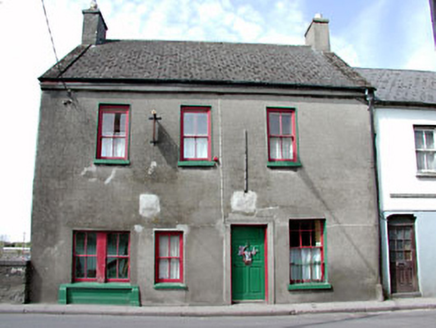
Semi-detached three-bay two-storey house, built c.1800, now in use as tourist hostel. Ruled and lined cement rendered walls. Pitched artificial slate roof with rendered chimneystacks. Square-headed...
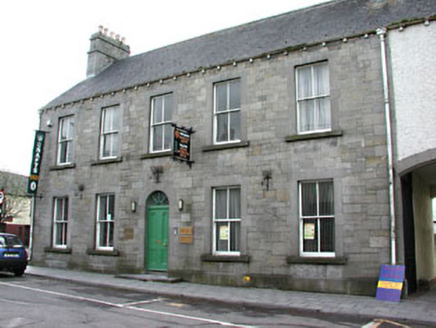
End-of-terrace five-bay two-storey house, built c.1840. Snecked limestone walls with ashlar quoins. Pitched slate roof, with stone chimneystacks and cast-iron gutter carried on corbelled cornice. T...
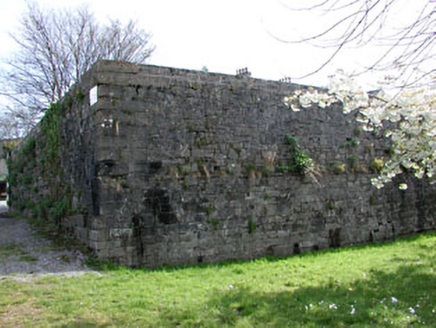
Limestone wall built in two distinct phases running from Mill Street to the River Boyne, constructed c.1850. Lower section is constructed of limestone blocks roughly brought to course while the upper...
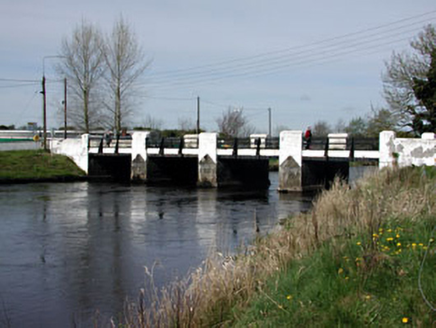
<p>Archival Description [Demolished 2004]: Four-span bridge over river, built 1903-4; dated 1904. Mass-concrete piers including half pyramid-topped triangular cutwaters. Series of four spa...
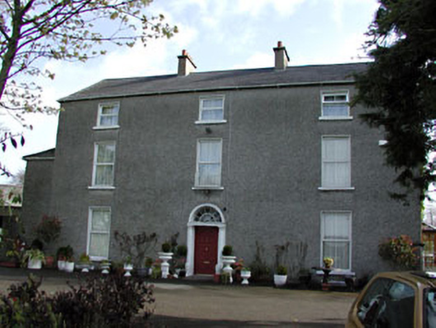
Detached three-bay three-storey house, built c.1800. Roughcast rendered walls, pitched slate roof and rendered chimneystacks. Square-headed openings with stone sills. Cast-iron balconette to centra...
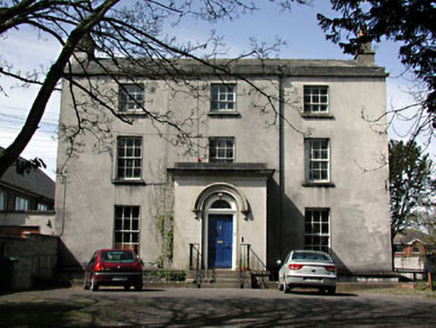
Detached three-bay three-storey over concealed basement former glebe, built c. 1805, with central breakfront. Single-storey entrance porch with round-headed door opening having carved stone rope moul...
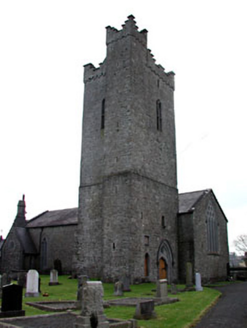
Church of Ireland cathedral, rebuilt 1802, comprising of three-bay side elevations to nave. Renovated c. 1869, and single-bay chancel added to the east, and gabled porch added to the north. Pitched ...
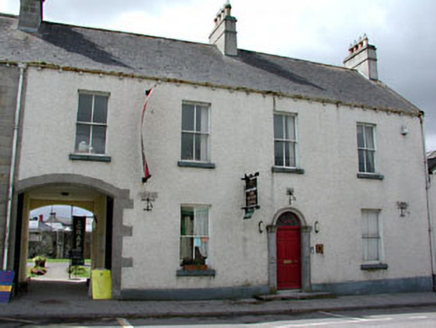
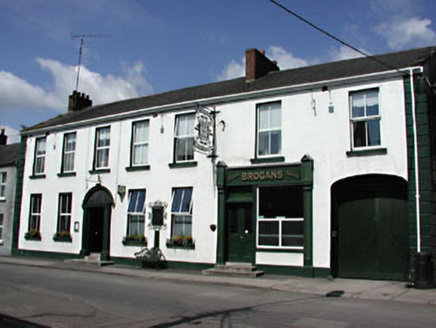
End-of-terrace seven-bay two-storey former hotel, built c.1850, now in use as guest house and public house. Pitched artificial slate roof with rendered chimneys. Rendered walls with render quoins. ...
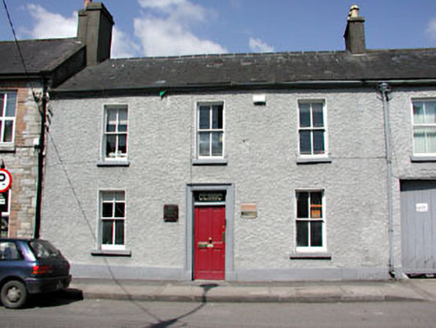
Terraced three-bay two-storey house, built c.1830. Roughcast rendered walls and pitched slate roof. Timber panelled door with overlight and carved stone doorcase. Timber two-over-two sash windows ...
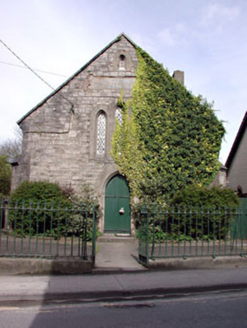
Detached gable-fronted Gothic Revival school, built c.1860. Snecked stone façade with corner buttresses. Cement rendered window and door surrounds. Group of three cast-iron diamond paned lancets w...
Terraced three-bay two-storey house, built c.1850, with concealed basement. Pitched slate roof with red brick chimneystacks and cast-iron rainwater goods. Ruled and lined rendered walls. Timber pan...
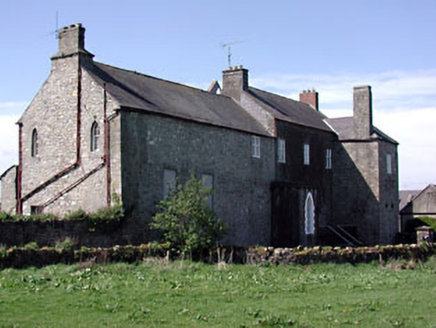
Detached two-storey over basement fortified manor house, built 1415, comprising of two ranges and a tower. Entrance at first floor level comprising of pointed arched opening with stone surrounds, acc...
To provide the best experiences, we use technologies like cookies to store and/or access device information. Consenting to these technologies will allow us to process data such as browsing behavior or unique IDs on this site. Not consenting or withdrawing consent, may adversely affect certain features and functions.
Functional
Always active
The technical storage or access is strictly necessary for the legitimate purpose of enabling the use of a specific service explicitly requested by the subscriber or user, or for the sole purpose of carrying out the transmission of a communication over an electronic communications network.
Preferences
The technical storage or access is necessary for the legitimate purpose of storing preferences that are not requested by the subscriber or user.
Statistics
The technical storage or access that is used exclusively for statistical purposes.The technical storage or access that is used exclusively for anonymous statistical purposes. Without a subpoena, voluntary compliance on the part of your Internet Service Provider, or additional records from a third party, information stored or retrieved for this purpose alone cannot usually be used to identify you.
Marketing
The technical storage or access is required to create user profiles to send advertising, or to track the user on a website or across several websites for similar marketing purposes.