Survey Data
Reg No
60230128
Rating
Regional
Categories of Special Interest
Architectural, Artistic, Historical, Social
Original Use
Rectory/glebe/vicarage/curate's house
In Use As
House
Date
1795 - 1800
Coordinates
322877, 227192
Date Recorded
12/04/2016
Date Updated
--/--/--
Description
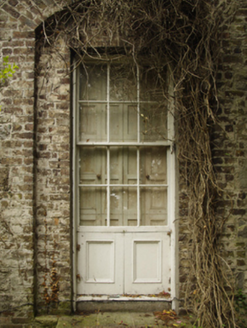
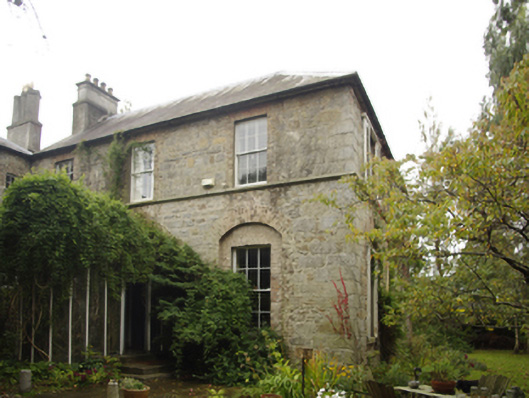
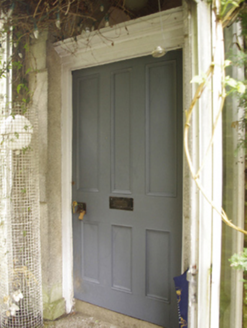
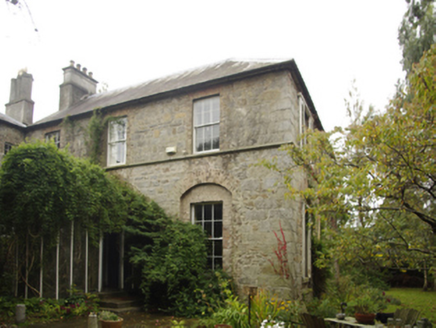
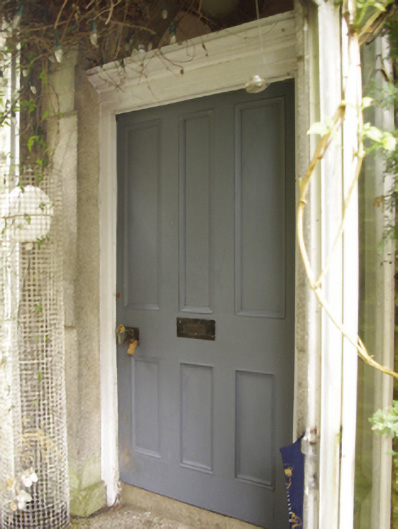
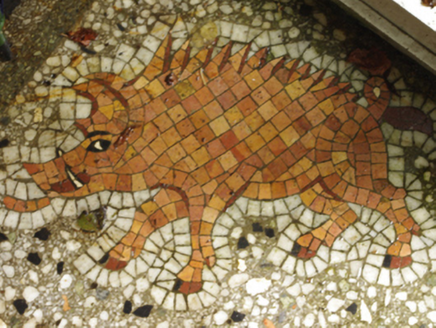
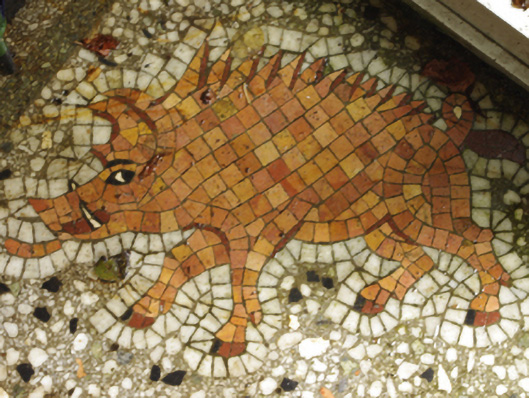
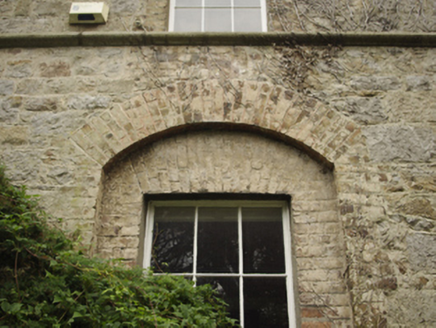
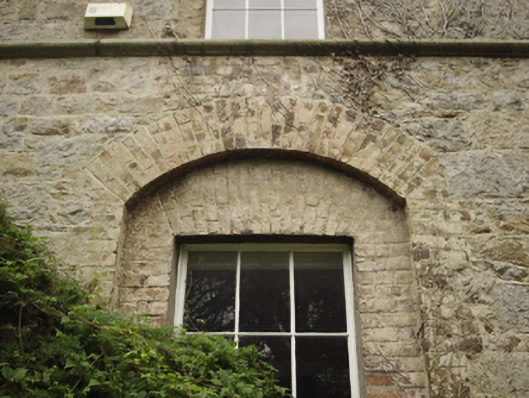
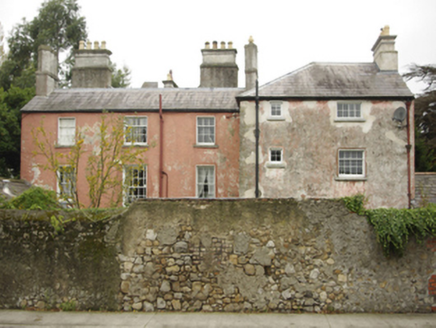
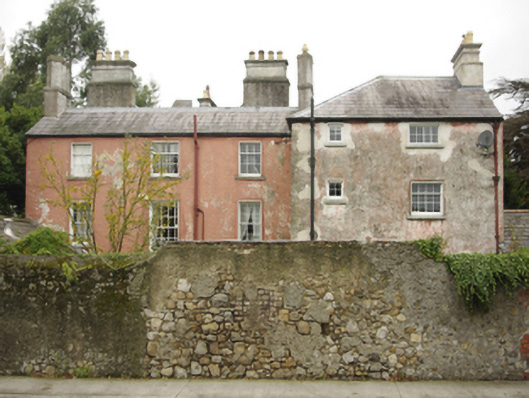
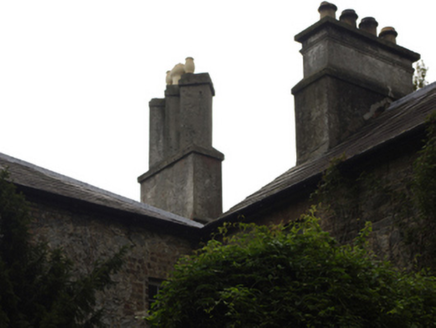
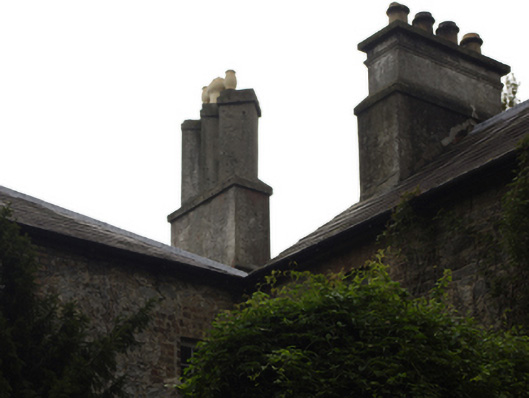
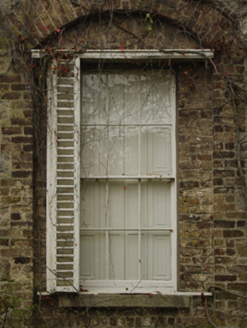
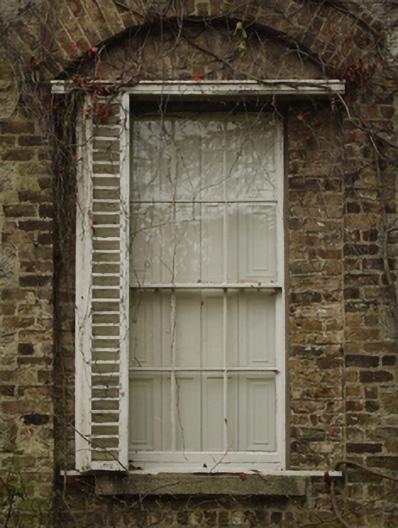
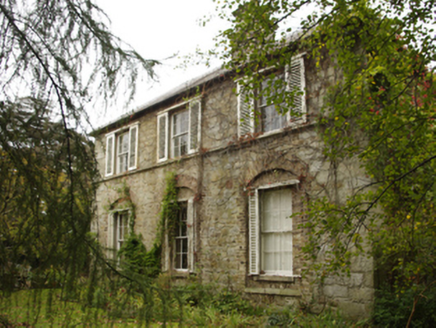
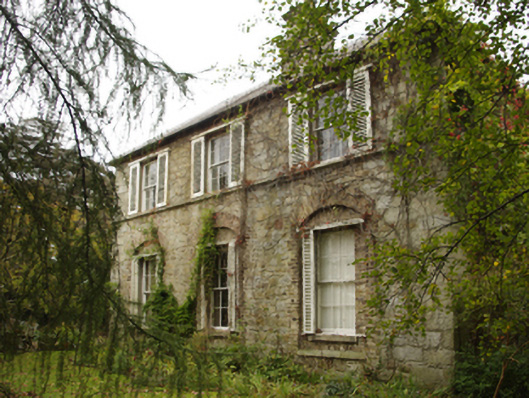
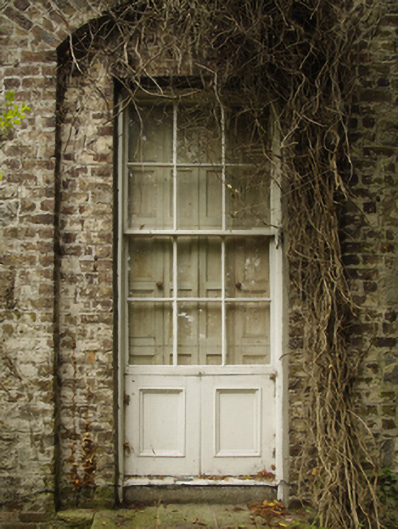
Detached three-bay (three-bay deep) two-storey Church of Ireland glebe house, built 1797, on a square plan with three-bay two-storey rear (south) elevation; three-bay three-storey parallel block (east). Sold, 1876. Occupied, 1911. Sold, 1916. Pitched (east) and hipped (west) slate roof on a U-shaped plan, pressed or rolled lead ridges terminating in rendered chimney stacks on chamfered cushion courses on rendered bases having "Cyma Recta"- or "Cyma Reversa"-detailed stringcourses below capping supporting terracotta or yellow terracotta tapered pots, and cast-iron rainwater goods on cut-granite eaves retaining cast-iron octagonal or ogee hoppers and downpipes; pitched slate roof (east) with pressed or rolled lead ridge, rendered diagonal chimney stacks on chamfered cushion courses on rendered bases having stepped capping supporting terracotta or yellow terracotta pots, and cast-iron rainwater goods on rendered eaves retaining cast-iron downpipes. Part creeper- or ivy-covered repointed coursed or snecked rubble stone walls originally lime rendered with cut- or hammered flush quoins to corners; lime rendered surface finish (east). Segmental-headed central door opening with mosaic tiled cut-granite threshold, and cut-granite block-and-start surround centred on keystone framing timber panelled door having overlight. Square-headed window openings in segmental-headed recesses (ground floor) with cut-granite sills, and repointed brick block-and-start surrounds framing six-over-six timber sash windows without horns. Square-headed window openings (first floor) with cut-granite sill course, and repointed brick block-and-start surrounds framing six-over-six timber sash windows without horns. Square-headed window openings (east) with cut-granite sills, and concealed dressings framing six-over-six or three-over-six (top floor) timber sash windows without horns centred on margined six-over-six or four-over-eight (top floor) timber sash windows without horns. Interior including (ground floor): central hall retaining timber surrounds to door openings framing timber panelled doors; and timber surrounds to door openings to remainder framing timber panelled doors with timber panelled shutters to window openings. Set in landscaped grounds.
Appraisal
A glebe house erected under the aegis of Reverend John William Dudley Ryves (1716-1801) representing an important component of the built heritage of south County Dublin with the architectural value of the composition, one rooted firmly in the contemporary late Georgian fashion, confirmed by such attributes as the compact plan form centred on a restrained doorcase demonstrating good quality workmanship in a silver-grey granite; and the diminishing in scale of the openings on each floor producing a graduated visual impression. Having been well maintained, the elementary form and massing survive intact together with substantial quantities of the original fabric, both to the exterior and to the interior, including crown or cylinder glazing panels in hornless sash frames: meanwhile, contemporary joinery; and plasterwork refinements, all highlight the artistic potential of a glebe house having subsequent connections with the Venerable Charles Lindsay (1790-1855), Archdeacon of Kildare; Roland Hill Scovell (d. 1894), 'late of Fairholm Kill-o'-Grange County Dublin' (Calendars of Wills and Administrations 1894, 798); William George Burton, 'Officer [of] High Court of Ireland' (NA 1911); and the Fitzgerald family including Maurice Frederick Fitzgerald (1850-c.1927), one-time Professor of Civil Engineering at Queen's College, Belfast (appointed 1884; retired 1910); and his son Second Lieutenant William Wilks Fitzgerald (1895-1917) of the Royal Flying Corps.